Review: Spica Adventure (Nintendo Switch)
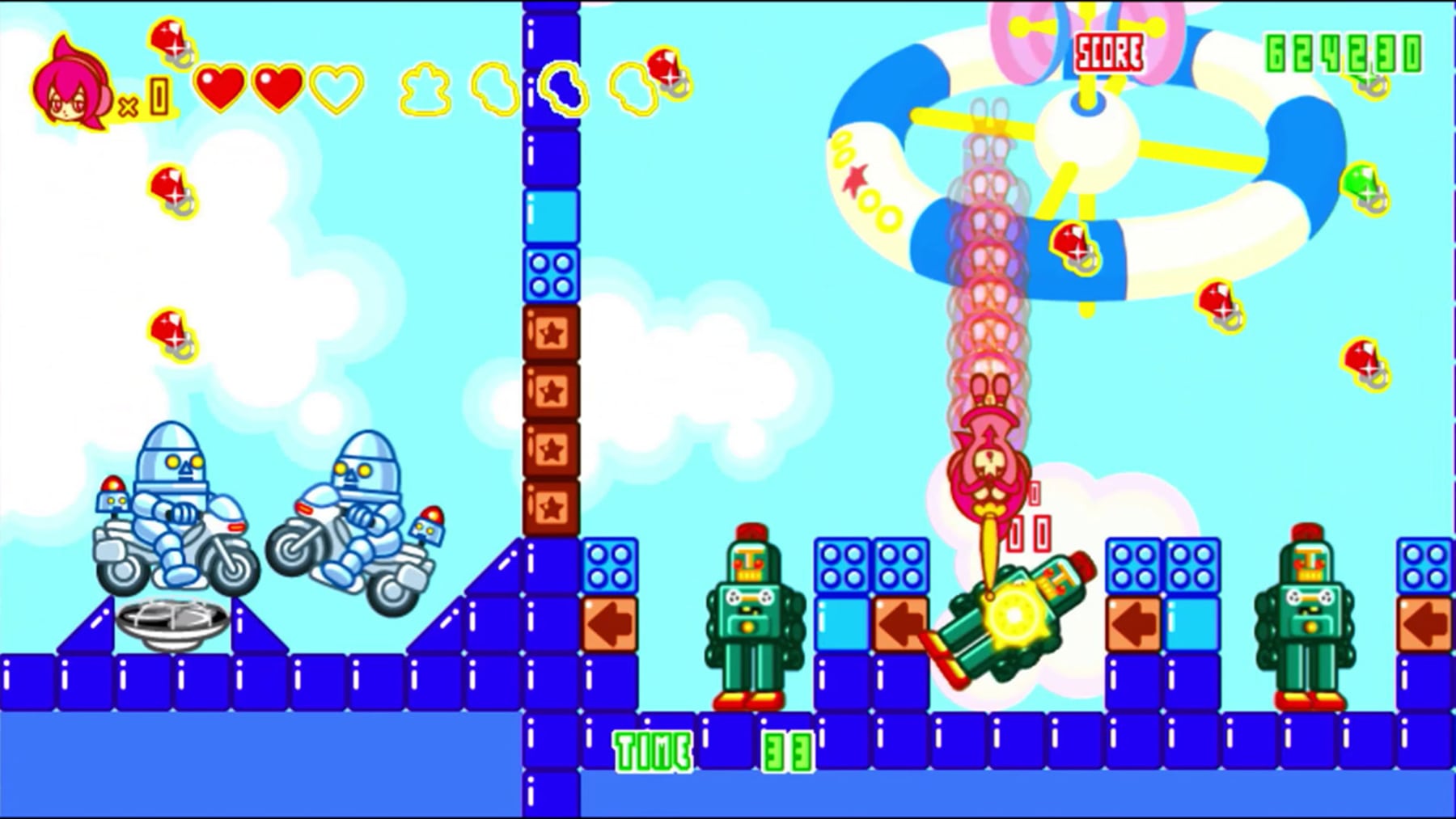
Spica Adventure is a strange one. On my first playthrough, I found myself wondering if it was a precursor to Sonic the Hedgehog—a colorful, energetic, wide-open side scroller with plenty of paths through, but without the speed.
It’s not. It debuted as a mobile game in 2003 before transitioning to arcades, and now to the Nintendo Switch. If you have an Arcade Games folder on your Switch home screen, however, Spica Adventure is a unique and worthy addition.
You play as Nico, a parasol-armed youngster who wouldn’t look out of place at Pokey Oaks Kindergarten with the Powerpuff Girls. I say she’s “parasol-armed,” but probably mean “equipped,” as her umbrella is used for much more than fighting enemies. She uses it to glide down from upper levels. It can be opened to repel some attacks. It flips to become a boat when Nico’s in water.
More importantly, however, she can stick her parasol into walls to fling herself around the screen. I assume this comes from the mobile origins, where flicking in any direction on a stuck umbrella would shoot Nico in the opposite direction. Here, the flicking is handled via the Joy-Con only; there is no touchscreen support. I’ll admit it took me a minute or two to get the hang of this, but it wasn’t long before I was avoiding hazards and accessing difficult areas like I’d been born to do it. This mechanic really makes level traversal quite entertaining.
The level design helps with that, too. Earlier, I made a comparison to Sonic the Hedgehog, as there are multiple ways to get through each. You can stay on the ground, which is actually a good idea; Nico plants flowers and picks up collectibles along her way.
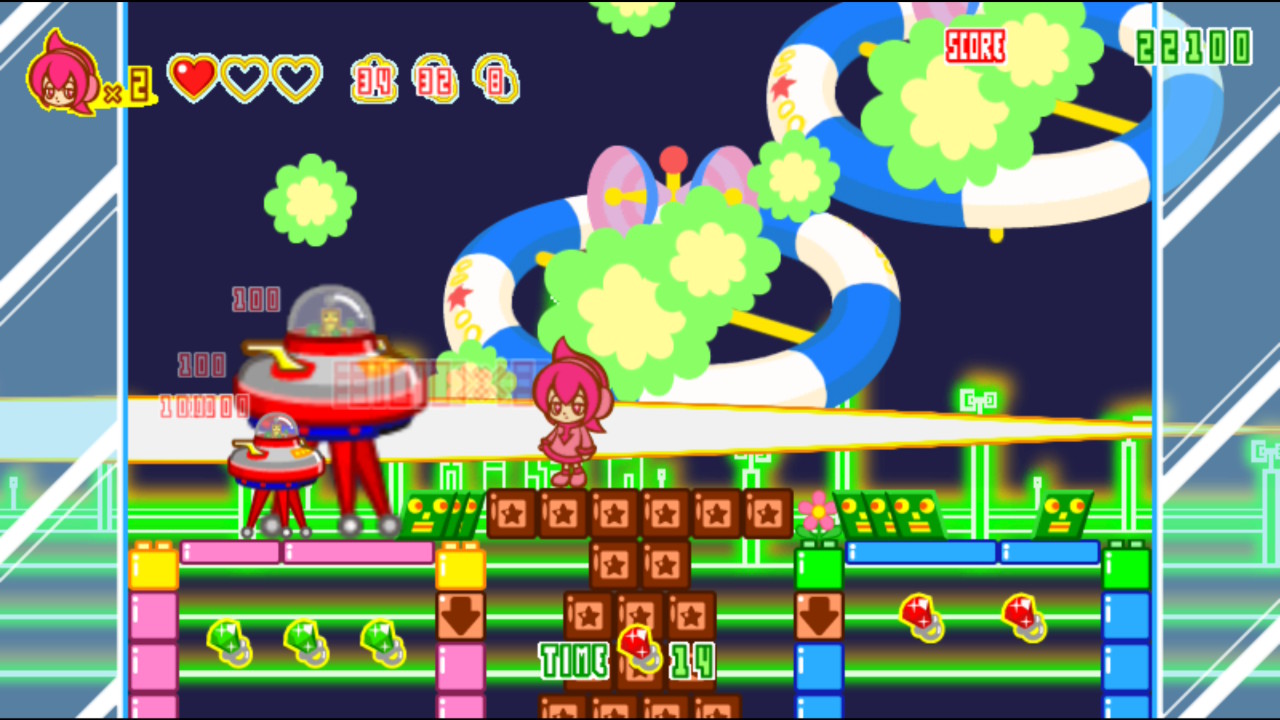
On the other hand, working your way up higher can help you avoid tricky enemies and reveal some hidden rewards. It can also speed up your progression, which can be important; if you don’t complete the level within the allotted time, a rather nasty robot will come to end it for you.
Spica Adventure features 28 stages in the familiar level-level-boss pattern. The standard levels evolve in ways you might not expect, and they never quit sending clever enemies and obstacles your way. The boss battles are frantic and fun, with only a couple coming across as unfair based on what you’ve been facing in their lead-up. I should point out here that the game is peppered with nods towards other games in the Taito catalog, often with comedic effect. They help make Spica Adventure feel quite nostalgic for those of us who’ve never even heard of the game before.
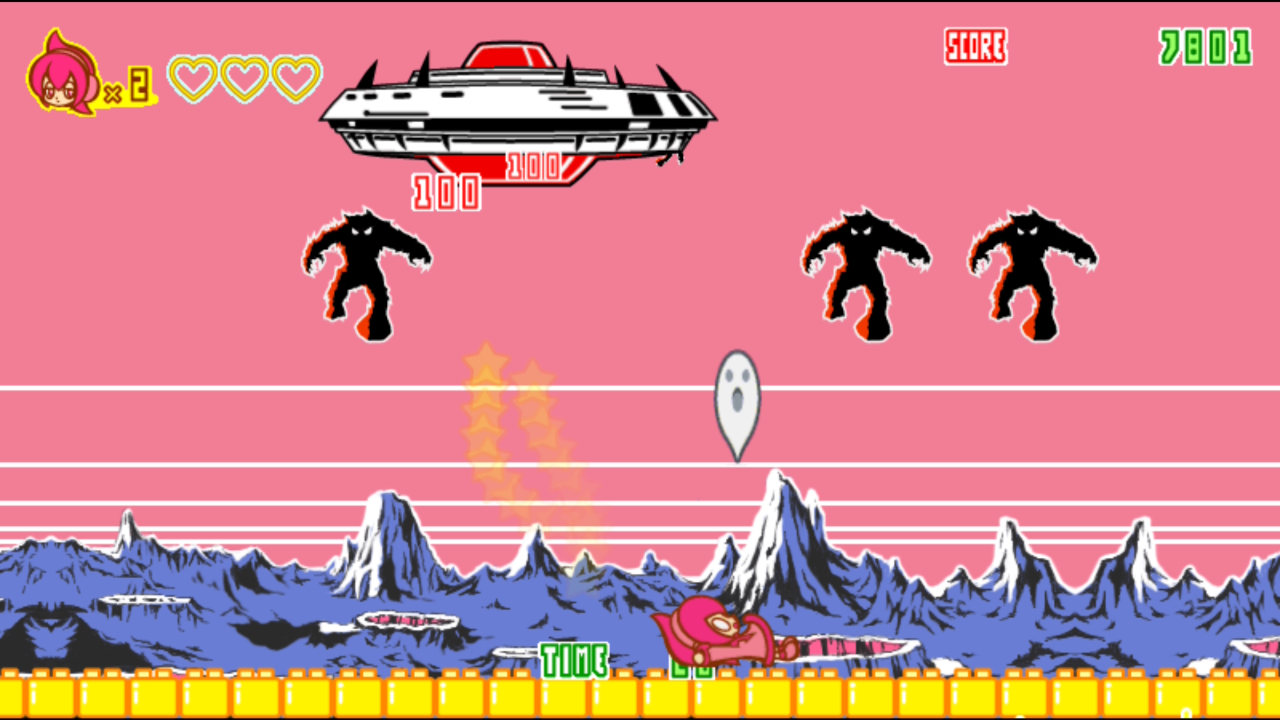
That nostalgia is also pushed along by the game’s visuals and audio. Both are exceptionally bright and colorful—literally and metaphorically—sometimes in overwhelming ways. There’s often so much going on that your senses may try to revolt. But honestly, I find this gleeful approach to game design appealing. It feels very…Nintendo.
And you’ve got a couple of ways to experience it. Original Mode recreates the arcade experience, introducing you to the mechanics and presented in a traditional 4:3 ratio.
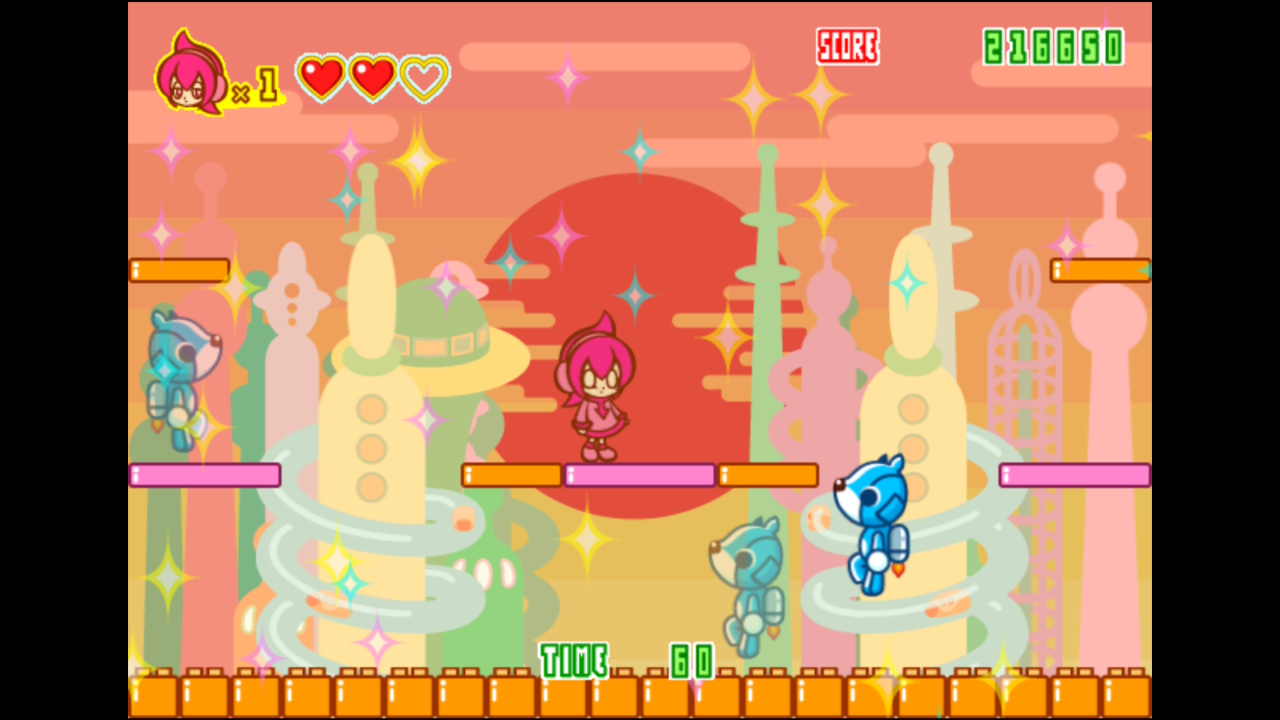
Normal Mode converts the action to widescreen, optimizes the controls, and provides optional cheats (although you have to obtain all the collectibles to unlock them). Finally, Challenge Mode keeps the game interesting as you chase leaderboard rankings at various difficulty levels.
There are also a couple of ways to buy Spica Adventure. It’s available on its own for $19.99 in the Nintendo eShop or bundled with Parasol Stars in the $24.99 Parasol Superstars double feature. If you haven’t already purchased Parasol Stars – The Story of Bubble Bobble III, I highly recommend the bundle for the bang it gives your bucks.
And that means I recommend this game. Spica Adventure is an arcade candy bomb that’s sure to entertain fans of old-school platformers. It’s not a game you’ll play for longer sessions, but its mobile origins make it a great time-killer when you’re out and about with your Switch.