WWE, Big Money and the Business Behind Professional Wrestling
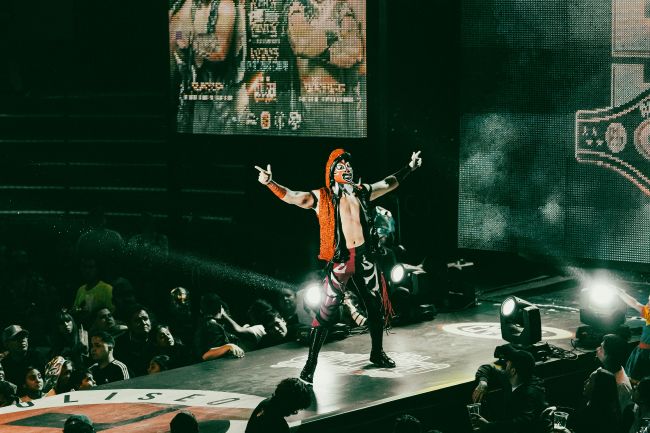
WrestleMania attracts enormous crowds, and Crown Jewel takes WWE halfway around the world. Behind these major events are some surprising financial decisions, including payments that have raised eyebrows. Just how far will WWE go to keep its biggest shows running?
WWE has become an enormous entertainment business, but there’s still a wrestling company underneath all that money. Fans tune in to watch Roman Reigns and Cody Rhodes, yet the decisions made outside the ring are becoming just as interesting as the matches themselves. With major broadcasting deals and lucrative international events on the calendar, it’s worth asking whether WWE’s business ambitions are helping the wrestling or getting in its way.
The Wrestling Still Has to Deliver
Crown Jewel 2026 gives WWE another opportunity to prove that its biggest attraction remains the action inside the ring. Roman Reigns faces Sami Zayn, while Cody Rhodes meets Randy Orton in a Last Man Standing match. Those are the contests that get wrestling fans talking.
The event also demonstrates the importance of television deals. Crown Jewel streams exclusively through ESPN Unlimited in the United States, with coverage beginning at noon Eastern.
That arrangement puts WWE’s biggest events behind a major streaming subscription, giving the company another commercial consideration when planning its calendar.
The concern that WWE’s commercial ambitions could overshadow its wrestling product deserves attention, particularly when the matches themselves remain the reason audiences follow the company.
WrestleMania Is Also Big Business
WrestleMania 42 demonstrated the extraordinary commercial opportunities attached to professional wrestling. WWE announced a combined attendance of 106,072 across two nights at Allegiant Stadium in Las Vegas, with tickets purchased from all 50 American states and more than 69 countries.
The event attracted a record 32 marketing partners, including Snickers and DoorDash. Wingstop and Minute Maid were also involved, giving advertisers access to an audience that extends well beyond the people sitting inside the stadium.
WWE’s social-media coverage generated more than 1.3 billion views, an 18% increase from WrestleMania 41. Those figures help explain why commercial partners are interested in wrestling. A major WWE event can reach millions of people who never purchase a ticket.
The advertising is becoming increasingly visible during the entertainment itself. Branded promotions accompany the matches, while sponsorship arrangements can involve individual wrestlers and appearances outside the ring.
You can understand the commercial appeal without necessarily enjoying every advertisement. WWE has built an audience around its performers, and businesses are prepared to pay for access to that audience. The question is whether the company can keep expanding those arrangements without distracting from the matches that attract viewers in the first place.
Betting Promotions Join the Commercial Picture
Sports entertainment also has a commercial connection with betting and gaming. Promotions are part of that business, although the headline offer tells you very little until you examine the conditions attached.
Commercial partnerships are no longer limited to advertising during wrestling broadcasts. They extend into gaming and betting promotions, where the value of an offer depends on its terms as much as its headline amount. Covers’ comparison of bonuses for Canadians brings together sportsbook welcome offers, promotional codes, wagering requirements and operator ratings, making the differences between competing promotions easier to assess.
A generous deposit match can carry conditions that make it less attractive than a smaller offer. Qualifying odds and withdrawal restrictions can also influence the value of a promotion.
The same commercial principle applies across sports entertainment: promotional deals attract attention, but their details determine what customers actually receive.
Crown Jewel Shows the Cost of Taking WWE Overseas
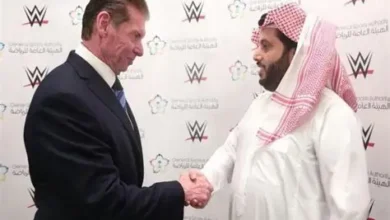
International events bring another set of commercial decisions into WWE’s business. Crown Jewel 2026 in Saudi Arabia provides an unusually revealing example of the work required to stage a major wrestling show.
The unusual financial arrangements surrounding Crown Jewel demonstrate that taking WWE overseas involves decisions extending well beyond the wrestlers appearing on the card.
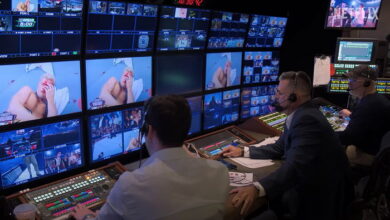
Production employees handle the technical work that makes a televised event possible. Their willingness to travel becomes especially important when WWE has committed to delivering a major international show.
There is a substantial commercial incentive to stage these events, but fulfilling those commitments requires people willing to do the work. The reported payments offer a glimpse of the practical challenges involved in bringing WWE’s international ambitions to television.
The Business Still Comes Back to the Ring
WWE’s commercial success gives the company opportunities to stage bigger events and reach audiences around the world. Broadcasting agreements provide access to major shows, while sponsorship revenue helps support an increasingly ambitious entertainment operation.
Yet wrestling remains the reason the business exists. Roman Reigns can sell a match through a rivalry, and Cody Rhodes can keep an audience invested through his performances. Those are the attractions that make the commercial arrangements worthwhile.
WWE has every reason to pursue profitable opportunities, but the company still needs to deliver compelling wrestling. Its financial success ultimately depends on giving fans something worth watching.
Image Source: unsplash.com