How Mobile Games Adapt to Player Attention Spans

Mobile games are now competing with TikTok, not just other games and not with other social media platforms, but TikTok specifically. The move toward fast stimulation, instant feedback, endless scrolling, and constant novelty has quietly reshaped mobile game design over the last few years. Players are less willing to sit through slow tutorials, delayed rewards, or cluttered interfaces. If a game does not grab attention almost immediately, there is a good chance someone will close the app and move on within minutes. Developers have noticed, and entire live-service strategies are now built around that reality.
Why Modern Mobile Games Are Designed for Shorter Sessions
The average mobile gaming session looks very different from a traditional console session. People play while commuting, waiting in queues, watching Netflix, or scrolling social media at the same time. Mobile games are designed around fragmented attention because that is how phones are actually used.
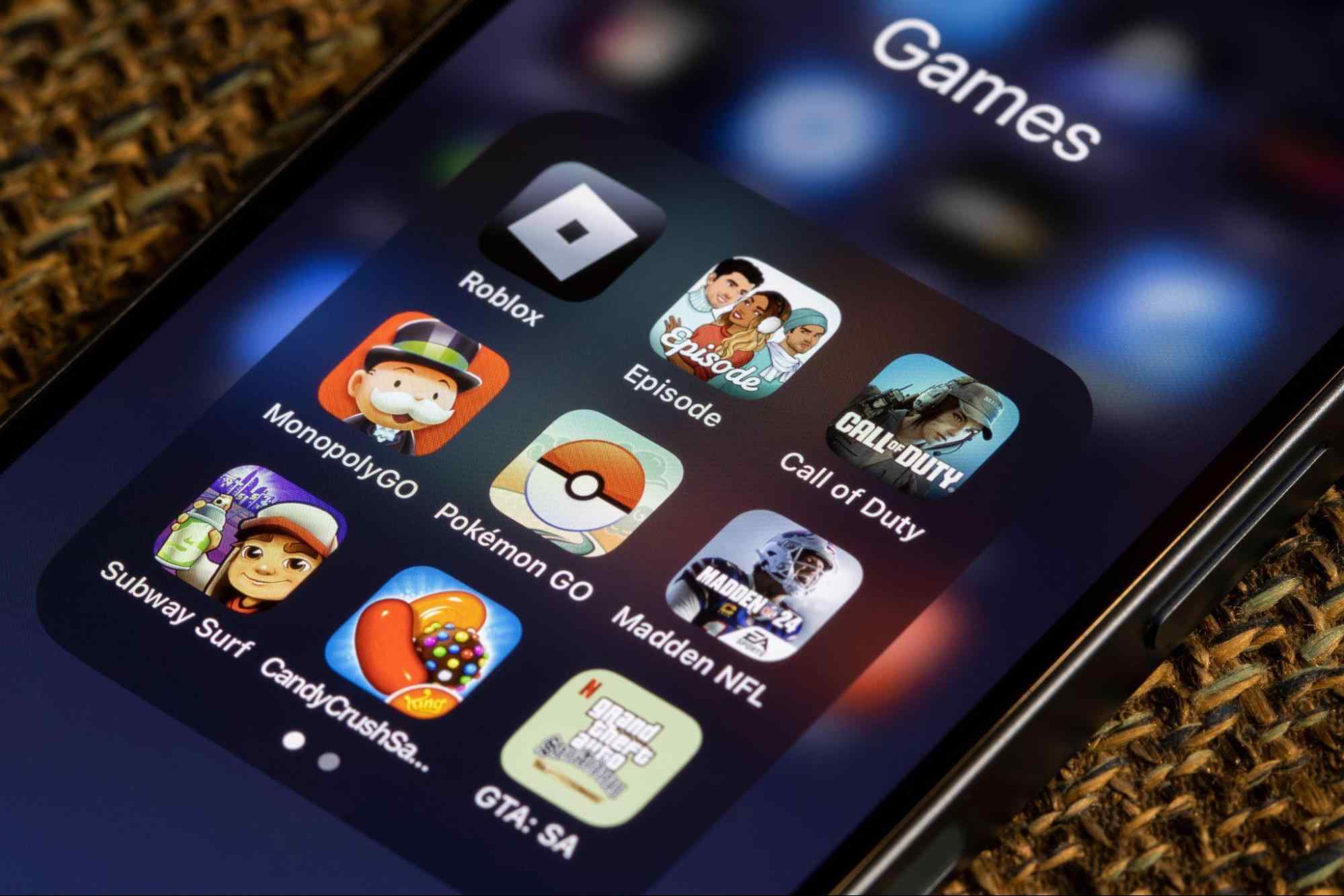
That is one reason onboarding has become dramatically faster across the industry. Games like Subway Surfers, Survivor.io, and Helix Jump throw players into action almost instantly. Even larger live-service titles have stripped away friction early on. Marvel Snap gets players into matches within seconds. Monopoly GO constantly feeds progression back to the player after almost every action.
There is very little patience for downtime anymore. Studios track this obsessively through behavioural analytics. They know exactly where players stop interacting, skip tutorials, or uninstall entirely. If enough users leave during the same time, that section gets redesigned. Modern mobile design is heavily shaped by drop-off data.
Mobile Game Retention Systems Are Built Around Habit
A lot of successful mobile games are no longer designed around long play sessions. They are designed around repeat check-ins.
Players open the app, collect rewards, finish a quick objective, claim battle pass progress, and leave. Only to come back even a short time later and do the same. This loop powers huge parts of the mobile market now.
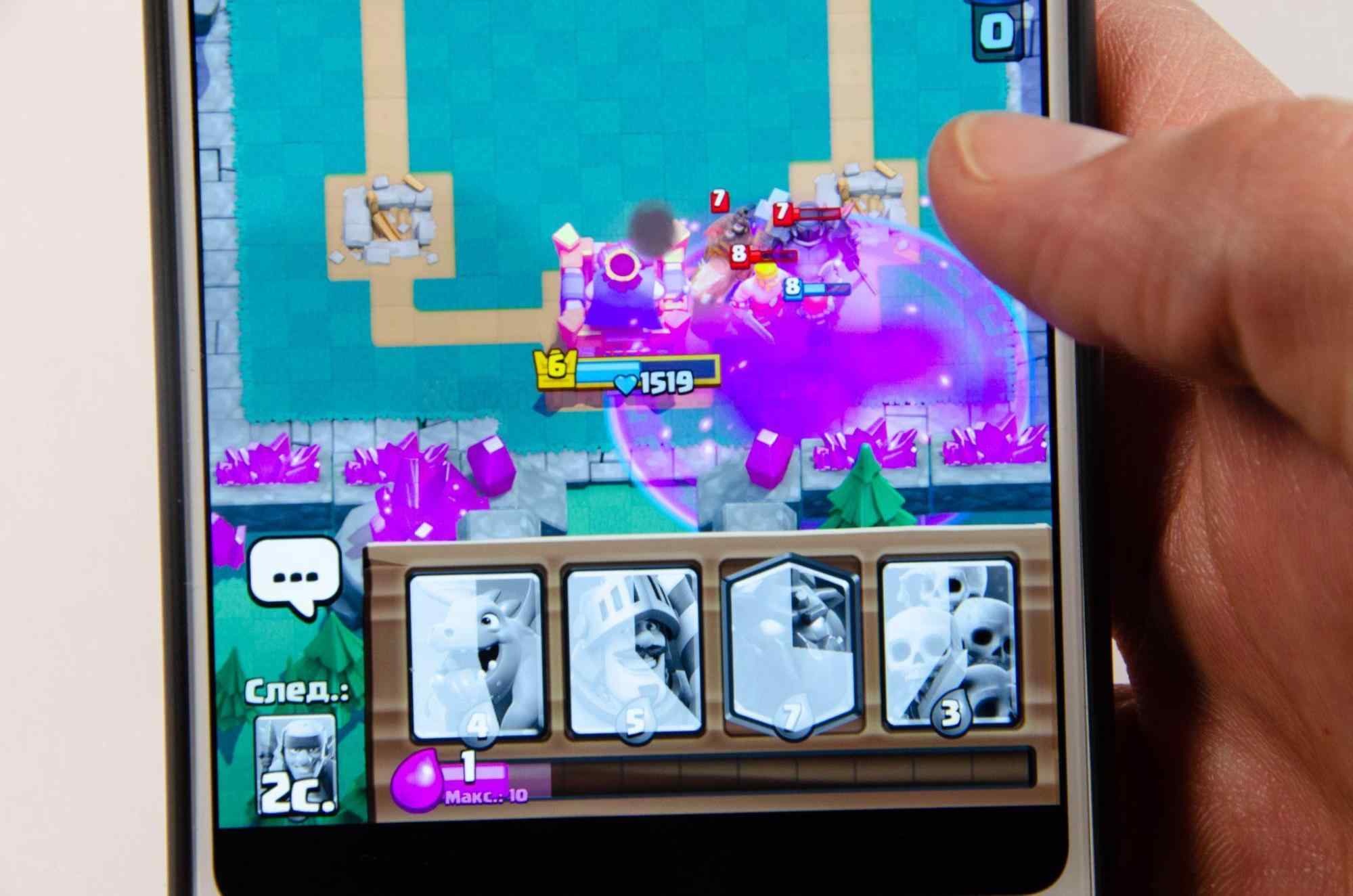
Clash Royale helped popularise short competitive sessions years ago, but the structure has spread everywhere. RPGs, strategy games, sports titles, gacha games, and idle games. Different genres, same philosophy: keep momentum constant.
The same engagement philosophy appears across other forms of digital entertainment, too. Many online slot games on BetMGM use rapid reward feedback, near-constant visual stimulation, timed bonuses, and repeat check-in mechanics designed to keep sessions feeling active even during short bursts of play.
Rewards arrive quickly because long gaps increase the risk of distraction. Daily streaks encourage repeat visits. Battle passes create ongoing progression even during short sessions. Limited-time events create pressure to log back in before rewards disappear.
Some live-service games punish absence more effectively than they reward play. That pressure is intentional as fear of missing out drives huge parts of mobile retention design today.
Why Autoplay and Idle Progression Keep Growing
Autoplay mechanics once felt like the opposite of what games were supposed to be. Now they are everywhere.
Many mobile RPGs automate grinding almost entirely, allowing players to focus on upgrades, team-building, or unlocking new characters instead of manually repeating fights for hours. Idle systems go further by rewarding players while they are offline.
For mobile audiences, convenience often matters more than constant interaction. That does not necessarily mean players are less engaged. In many cases, the opposite is true. Games like AFK Journey keep players invested long-term precisely because progression feels manageable alongside work, commuting, or daily routines.
Phones are multitasking devices. Mobile game design increasingly reflects that reality. Hybrid-casual games have benefited heavily from this shift. They combine simple mechanics with deeper progression systems, making them easy to understand immediately while still encouraging long-term investment.
TikTok-Style Attention Habits Are Changing Game Design
Short-form content has changed how people expect entertainment to feel. Mobile games have adapted to the growing trends of fast pacing, constant movement, and immediate feedback. Menus are cleaner, animations are louder, rewards appear constantly, and visual feedback rarely stops for long because silence and inactivity now risk losing attention completely.
Even storytelling has changed. Many mobile games prioritize rapid hooks and shorter objectives instead of slow openings. Players expect progression quickly. Waiting too long to unlock features, rewards, or meaningful upgrades can kill engagement early.
Some games now feel less like traditional entertainment products and more like attention-management systems.
The Ethical Concerns Around Addictive Mobile Games
The better mobile games become at holding attention, the more criticism the industry faces.
Daily streaks, push notifications, timed rewards, and energy systems are all designed to pull players back repeatedly throughout the day. Some mechanics deliberately create friction before selling the solution through premium currency or paid shortcuts.
Critics argue some live-service games now feel designed around compulsion first and entertainment second. Still, the conversation is more complicated than simply calling all retention systems manipulative.
Short-session design makes gaming easier to fit around busy schedules. Idle systems reduce repetitive grinding. Faster onboarding makes games more accessible to wider audiences. Plenty of players genuinely prefer low-commitment progression over games demanding hours of uninterrupted focus.
The real criticism usually starts when convenience turns into pressure. That line has become increasingly blurry across the live-service market.
Mobile Gaming Is Adapting to How People Consume Entertainment Now
Mobile games are being shaped by broader digital habits. Players expect faster interaction, quicker rewards, and experiences that fit naturally into small pockets of downtime. Developers have responded with streamlined onboarding, autoplay systems, short-session loops, and retention mechanics designed to encourage constant return visits. Some of those changes have improved accessibility and convenience. Others have pushed mobile gaming closer to the same attention economy driving social media platforms. Either way, the direction of the industry feels clear. Mobile games are no longer designed around how people used to play. They are designed around how people now consume entertainment every day.