John Cena Admits He Wasn’t A Fan Of His WWE Heel Turn & Explains Where He Got Idea For ‘The John Cena Classic’
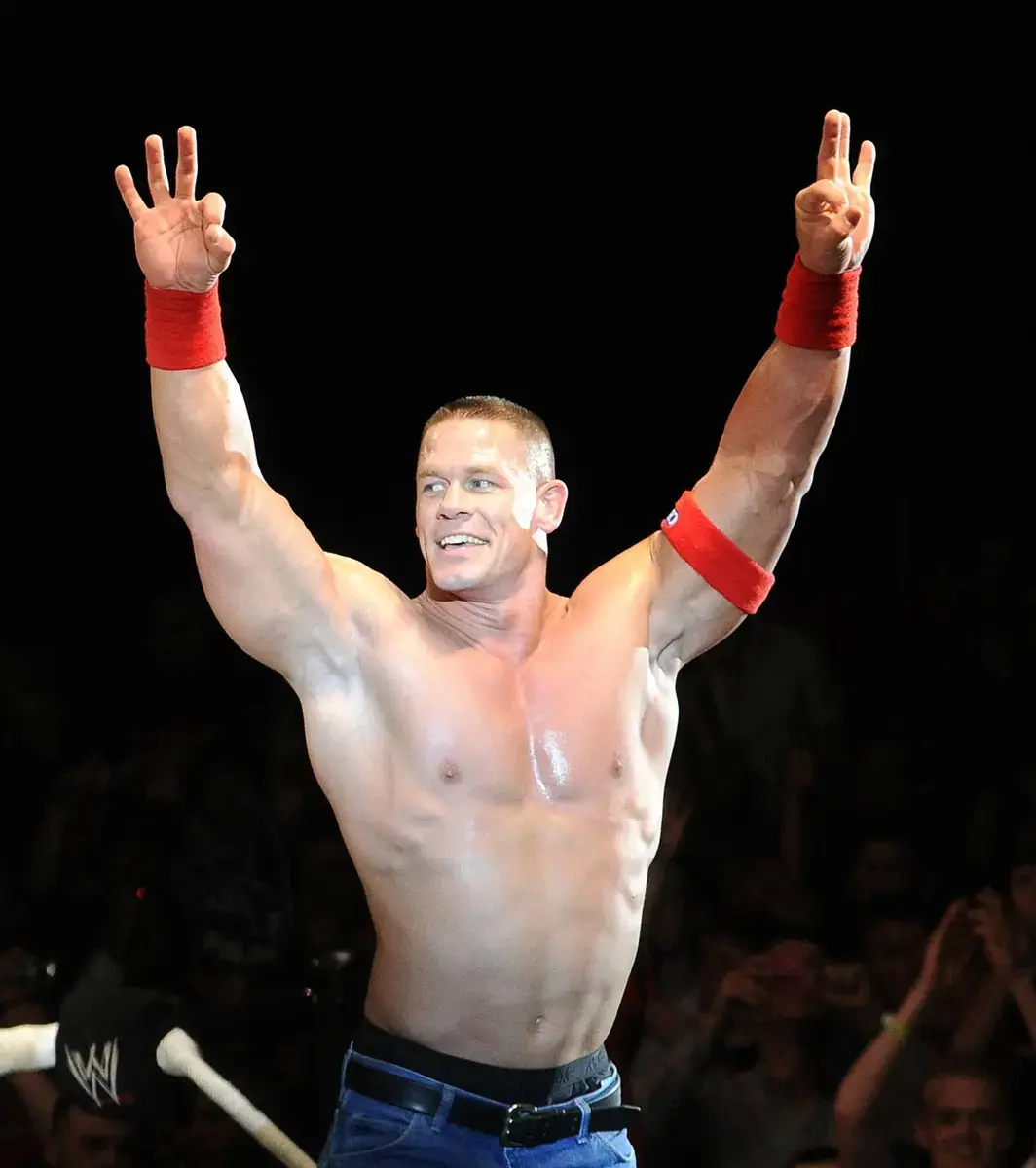
John Cena is opening up about his memorable heel turn during his WWE retirement tour, as well as the fan reaction that ultimately helped lead to his return as a babyface ahead of SummerSlam.
Cena shocked the wrestling world last year when he embraced a villainous role for the first time in nearly 20 years. The turn became one of the biggest talking points of his farewell run before he eventually reverted back to a fan favorite heading into his high-profile showdown with Cody Rhodes at SummerSlam.
While appearing on The Rich Eisen Show (see video below), Cena was told by Eisen that he personally wasn’t a fan of the heel run. Cena admitted that many fans shared the same feeling, but explained that he approached the character change in the most authentic way possible.
“A lot of fans didn’t (like his heel turn), and honestly, in talking about that, when I did, I tried to do it in the most realistic manner,” Cena said. “The true heel turn of- I mean, there are many, many different ways I could have gone, but I kind of stayed as myself.”
Cena pointed out that he intentionally avoided making dramatic cosmetic changes to the character, instead focusing on the emotional reasoning behind the shift.
“You know, I didn’t change up the uniform. I didn’t change up the music,” Cena continued. “I started to try to find a real place of why I would choose a non-virtuous path, and me being frustrated with the audience of all these years of being such a polarizing character seemed like the strongest connection, and the audience got a taste of it.”
That reaction from the fans eventually became impossible to ignore.
“They’re like, ‘no, we want the (real) you back,’” Cena added.
Interesting perspective from Cena.
Later in the interview, Cena was asked whether he personally wanted to return to being a babyface once the storyline shifted again. According to the WWE legend, he has always welcomed creative risks throughout his career and rarely pushes back against storyline ideas.
“I always like new creative challenges, and that’s why, I mean, very rarely, I honestly don’t think I’ve said no to any sort of creative decision in WWE,” Cena stated. “I’ve always tried to embrace it and do the best I can, and right up until my final moment of tapping out with fulfillment on my face, which was very mixed reviews on that as well.”
Cena closed by reiterating that taking chances creatively has always been part of his mindset.
“I always enjoy a creative challenge,” he said. “I’m not afraid to take those risks.”
Also during the interview, “The Never Seen” 17-time former world champion revealed where he came up with the idea for The John Cena Classic, which he announced during his special appearance at WWE Backlash: Tampa.
“I can tell you I’m pumped and I can tell you this is an idea from me, and I can also tell you that this is going to get a lot of chatter too, because the audience is kind of every which way, but loose on this,” he said. “I got the idea from that last event, that Saturday night’s main event where Gunther and I were the close of the show. But the idea for the open of the show and the way I wanted to promote it was instead of doing, you know, a 90-minute tribute showing highlights and interviews of folks to essentially my career, there’s no pay it forward there. So I chose to use the rest of the evening as showcasing marquee superstars as a way to get crowds in the building and keep them excited. You hear the music of your favorite superstar, that’s great, and pair them up against the future of our business. Names like Sol Ruca, Je’Von Evans, certainly Oba Femi, they all kind of debuted on our grand stage that day. I thought the event went well. Not only was it well received by the audience, songs from my part in the ending, which is okay, because I’m the polarizing guy, I can bear the weight on my shoulders.”
He wasn’t done there.
“When I promoted it, people enjoyed the idea. When we executed it, people enjoyed the event, and more importantly, the talent. It’s not like the talent aren’t excited for an event, but the talent felt like they were part of something new, and that was really important. So I got the idea from there, and then I kind of wanted to extend it a little bit more. I’m like, ‘how can we involve the fan base?’ So that’s where the fan vote came from, and then I tried to take it a little bit further in saying that, like, man… If you’re a talent and you go out and you actually tear the house down, but you’re this close to winning and maybe you came up short, you still have the opportunity to be in the running to see if you won the fan vote enough to be crowned champion.”