Review: Tomodachi Life: Living the Dream
Tomodachi Life: Living the Dream is a simulation game unlike anything else you’ve experienced. Instead of directly controlling your characters, like in traditional sims, you create Miis and essentially watch them live their lives on their own terms. The result is a kind of controlled, uncensored chaos where your island quickly becomes full of unpredictable and often ridiculous interactions that feel more like observing sea monkeys than managing an island. If you were a fan of the original Tomodachi Life game on the 3DS, then you were probably just as excited about this new installment as I was. But is it worth the $60 price tag? Let’s take a look.
At its core, Tomodachi Life is a game centered around an island populated entirely by Miis you create. These characters live independently, forming relationships, developing personalities, and interacting with each other without constant player direction. Your role is less about control and more about influencing their lives through gifts, food, home renovations and occasional interventions when problems or requests arise. Over time, your island will grow into a thriving little community. The Miis dialogue and the random interactions they have is the best part of the game. And if you like to scroll Tik Tok, then you’ve probably witnessed some of these hilarious scenarios already, as the game seems to be a hit on social media as of late.
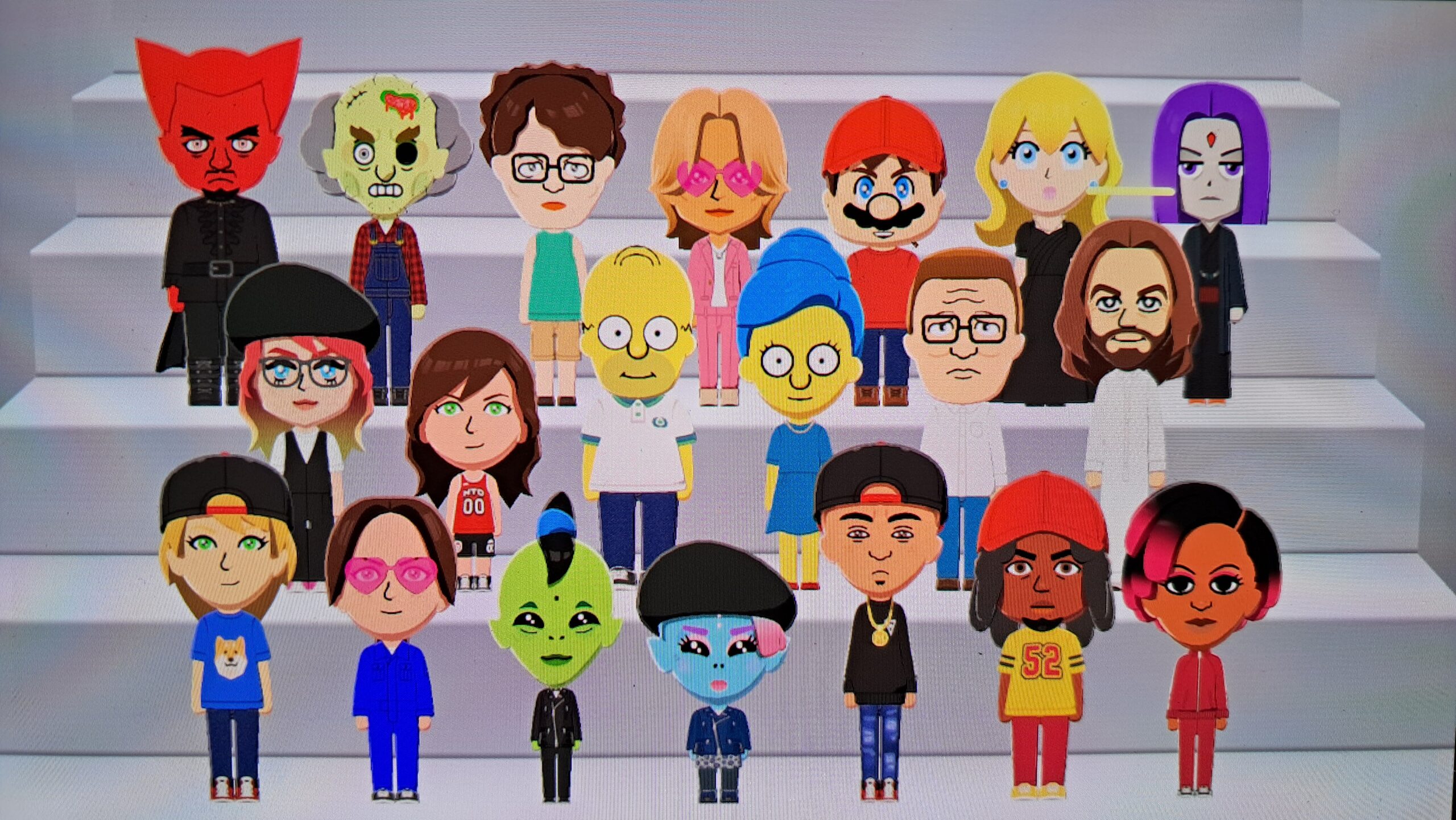
The Miis I’ve made so far 🙂
Tomodachi Life runs on a real-world clock, similar to Animal Crossing. So it’s perfect for quick check-ins or gaming on the go. The food store, clothing shop, night market, and a few other locations restock their items every
24 hours, around 6am. Encouraging you to come back each day and see what’s new. My personal favorite was the clothing store. I love seeing the new clothing styles each day and dressing up my Miis. Once you purchase any item in the game it is now unlocked and available anytime you need/want to buy it again.
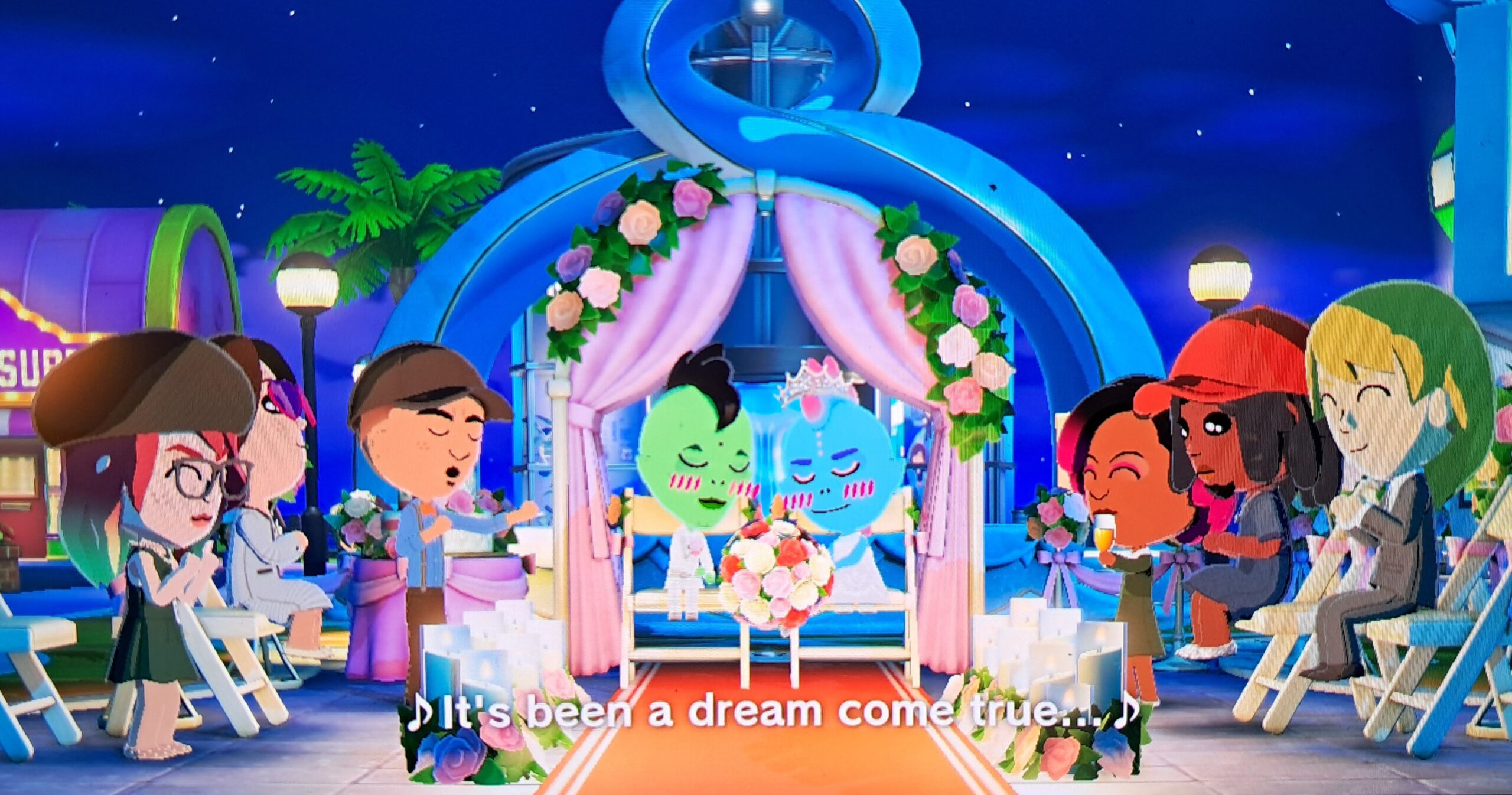
Love on Awesome Island
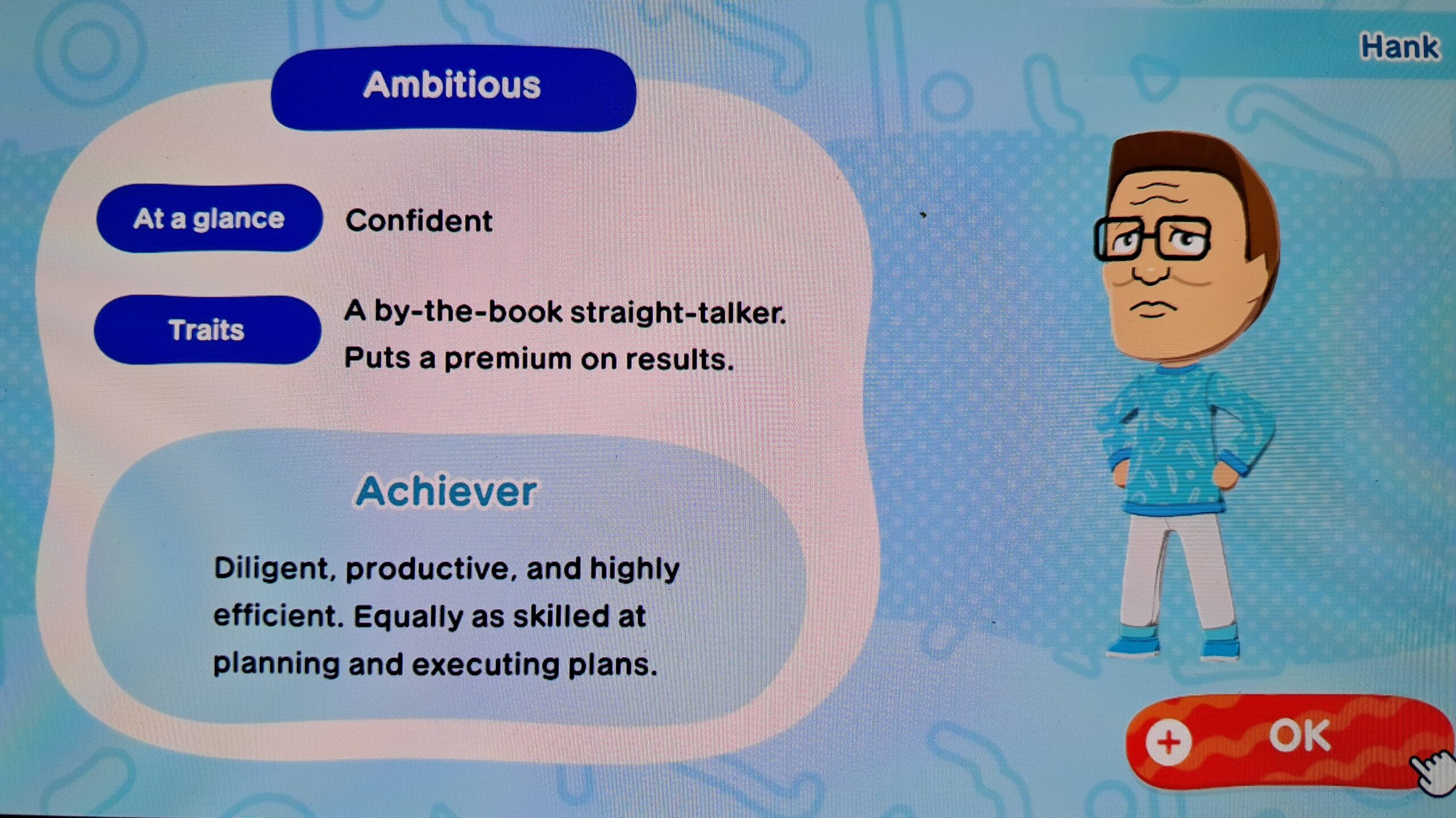
Customization is another standout feature, probably the biggest in my opinion. You can create a huge variety of Miis and even bring in characters from pop culture using websites like Tomodachi Share, where players upload designs from games, movies, and TV. I’ve added characters like Homer Simpson, Marge Simpson, and Hank Hill, along with my own family and random neighbors. With support for up to 70 Miis on a single island, the population quickly grows into a strange mix of familiar faces and completely original creations.
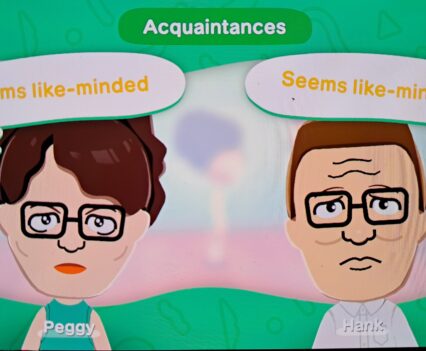
As your island expands, so does its structure and aesthetics. New buildings unlock over time, including shops, hangout spots, and plenty of random decor. Each day around 5:00 a.m, residents donate to the community fountain fund, based on their happiness and quality of life. The more you invest in your Miis through gifts, food, clothing, and interaction, the more money and rewards you generate over time.
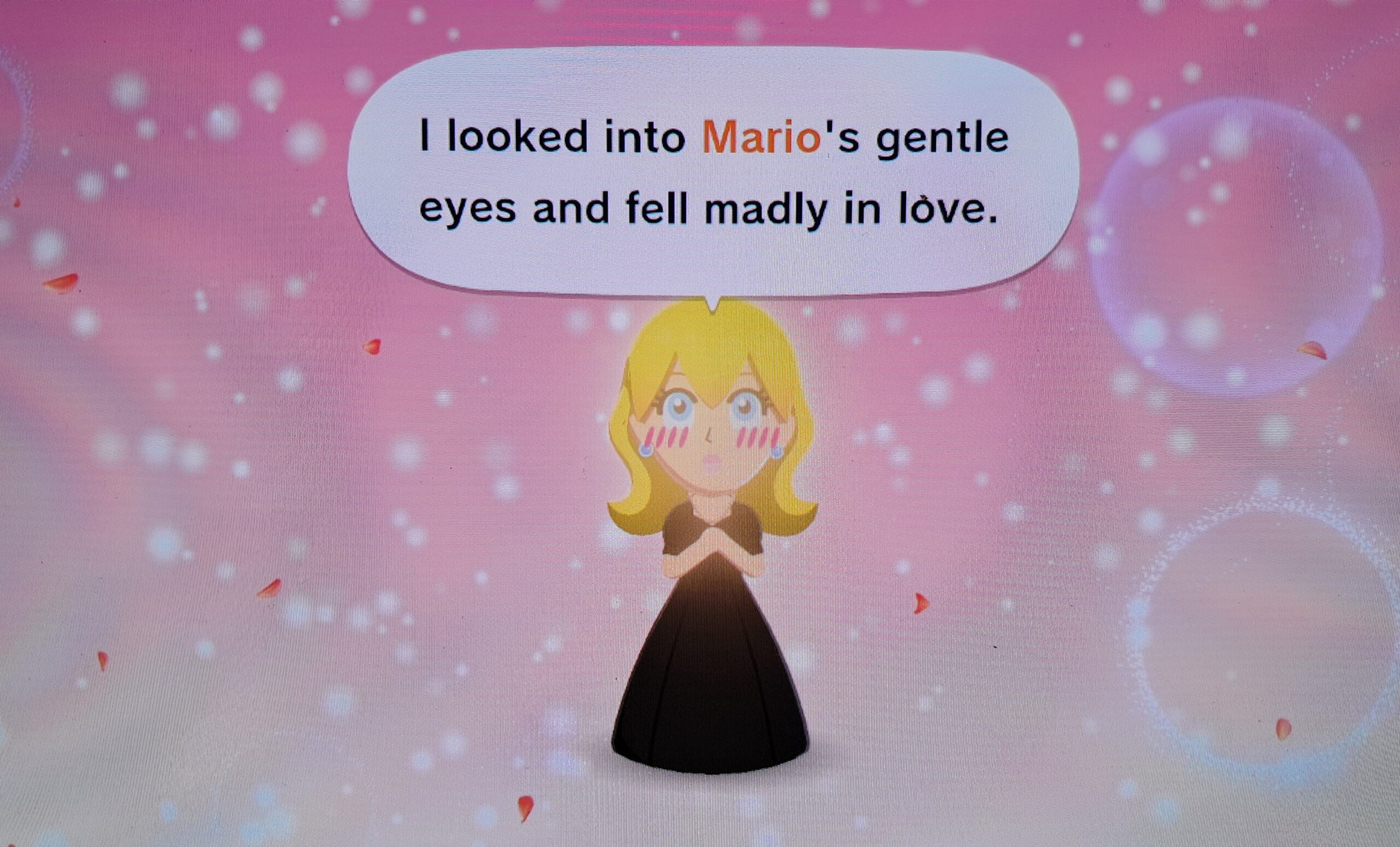
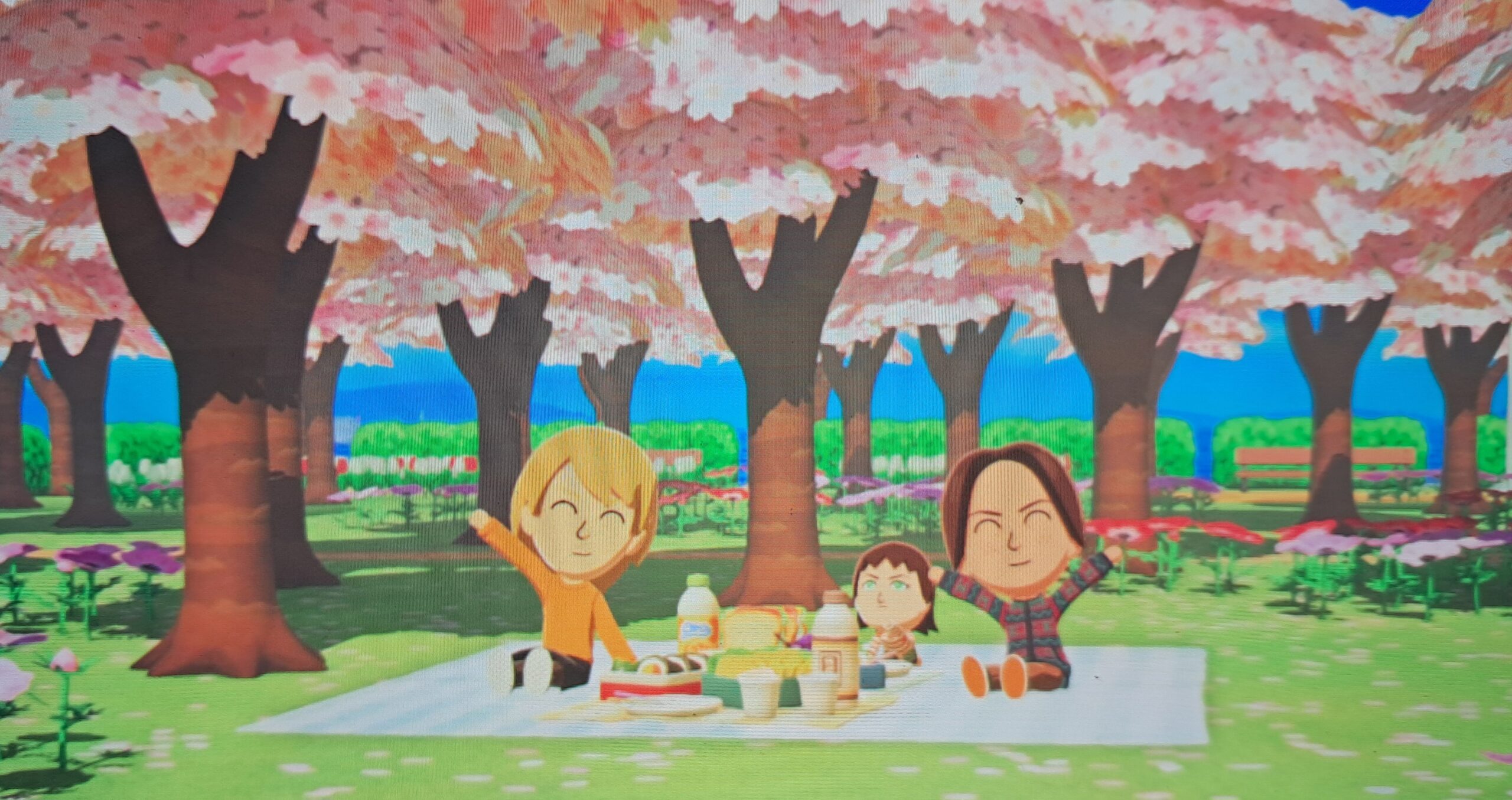
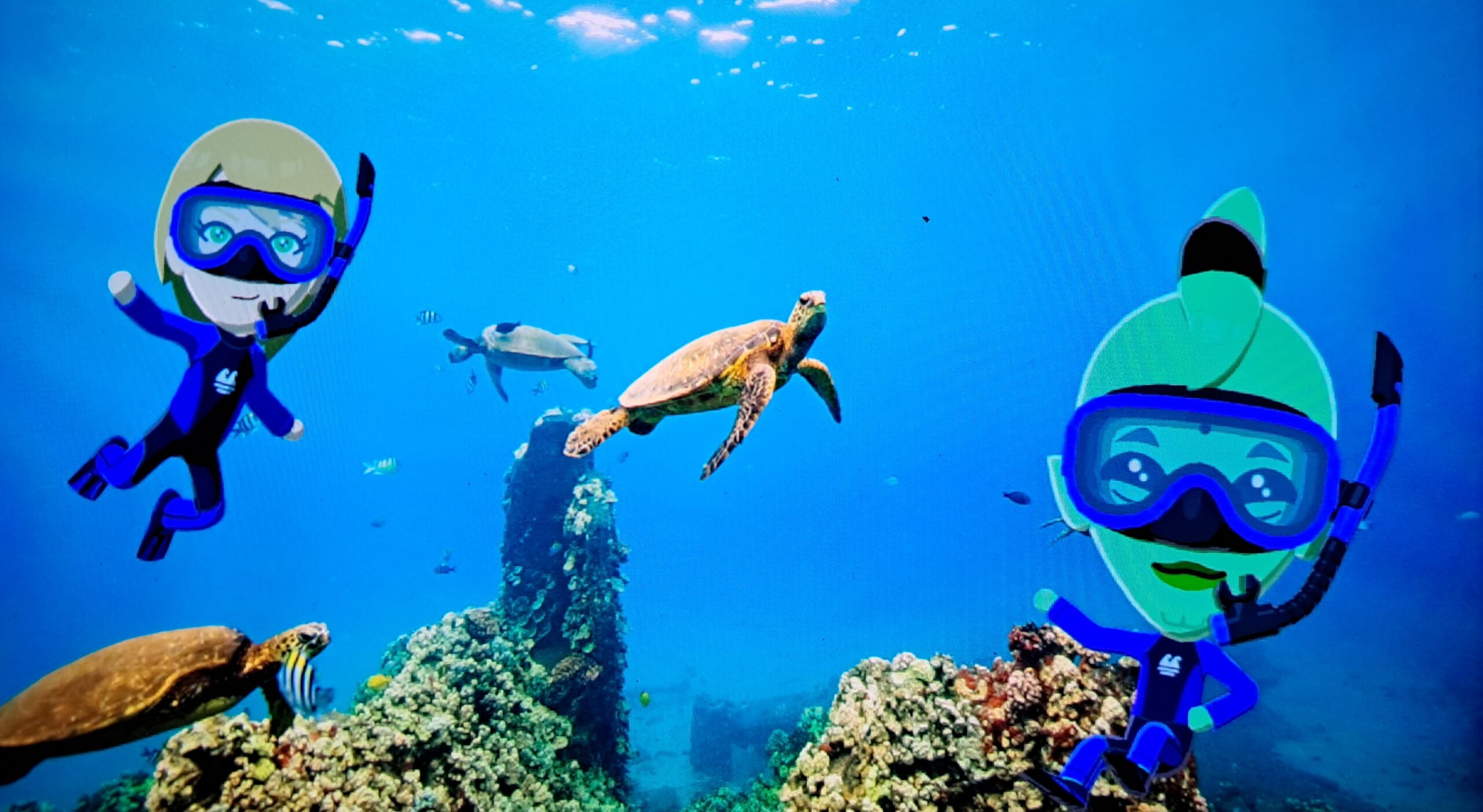
Progression is tied closely to happiness and leveling up your residents. As Miis gain levels, they unlock new personality traits, behaviors, and items. These can range from different walking styles and speech tones to objects like guitars, cameras, foam swords, and art kits. Leveling up the island itself also grants “wishes,” which can be spent on unlocking new content such as clothing templates, landscaping items, house designs, and other creative tools that slowly expand what you can do. I should also mention the travel tickets that you can obtain through wishes which allow your Miis to go on trips together and take funny photos. They also usually bring back a souvenir for you that you can either give to another Mii, or sell to the pawn shop for a profit. You’ll obtain many random “treasures” during your time on the island. Like pets, video games, travel souvenirs, etc. You can give these to your Miis, or sell them for extra cash.
There’s a strong creative element that really makes the game so much more fun, though it comes with limitations. The game allows you to design custom clothing, ground template designs, house interior and exterior designs and face paint using a pixel grid system. While this opens the door for impressive community creations, it can be extremely tedious if you’re trying to make anything detailed. Simple designs work well, but more complex ideas require a very steady hand. I’ve seen some amazing things online, so with patience you can create some really impressive, and hilarious items to bring into their world. It’s really satisfying when it works, especially when you see your Miis walking around wearing something you made, or drinking a can of Duff beer for example.
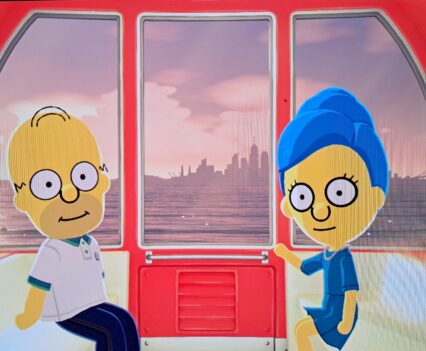
The unpredictability of the Miis is what really drives the experience. Relationships form and evolve on their own, sometimes in ways you try to influence but don’t always control. I’ve been attempting to get Homer and Marge together, for example, but Homer has been stubborn despite Marge being completely infatuated with him. At the same time, the game will happily throw together unexpected pairings or situations that feel completely unscripted, which is where a lot of the humor comes from.
However, the game isn’t without flaws. While it starts off extremely engaging, repetition eventually sets in. Cutscenes, mini games, and interactions can begin to feel familiar after extended play, especially once your island becomes crowded with Miis. Managing everyone also starts to feel overwhelming at times, and some of the novelty like the game’s unrestricted dialogue system can lose its novelty after a while. Don’t get me wrong though, Nintendo giving us complete freedom and no filter with what we have these Miis saying, is extremely funny at times. But I hate the sharing and online restrictions because of it. There’s still a lot to enjoy in the daily rhythm of the game though.
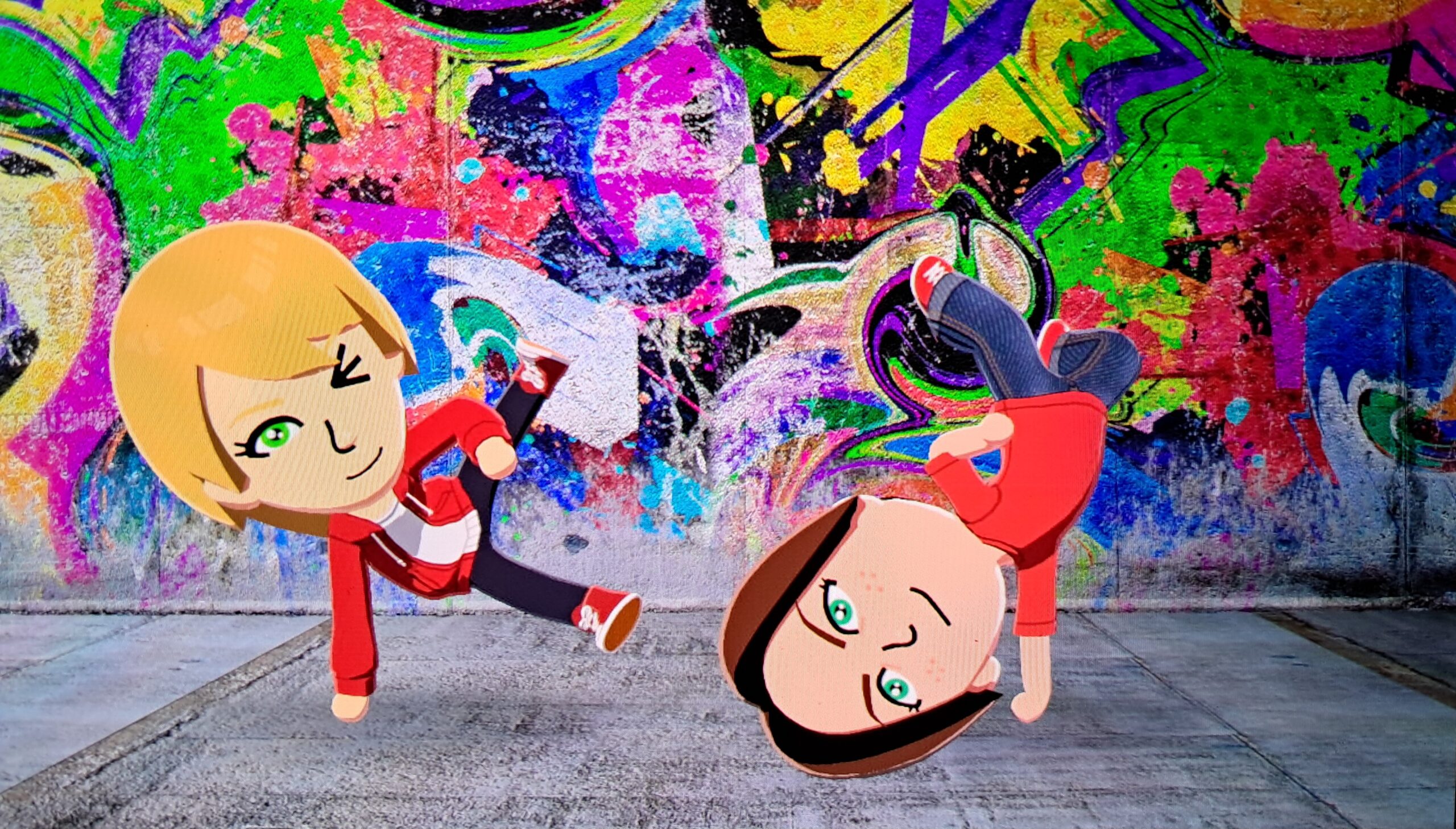
Overall, Tomodachi Life: Living the Dream thrives on chaos, creativity, and having a weird sense of humor. It’s not a deeply structured simulation, and it doesn’t try to be. Instead, it offers a constantly shifting world where the fun comes from watching things unfold on their own. And it’s definitely an awesome sequel compared the original. It will for sure need some updates in the future to stay fun and relavent, and could benefit from bigger DLC to reduce repetition over time. But it remains a uniquely entertaining experience regardless. If you’re still skeptical, download the demo or watch some of the funny videos online to get a feel for why it’s so fun. I definitely recomend checking it out if you’re looking for something new and original to play. Tomodachi Life might just be the dream you’ve been looking for.