PUBG Mobile and G2 both agree that “grassroots competition is essential”
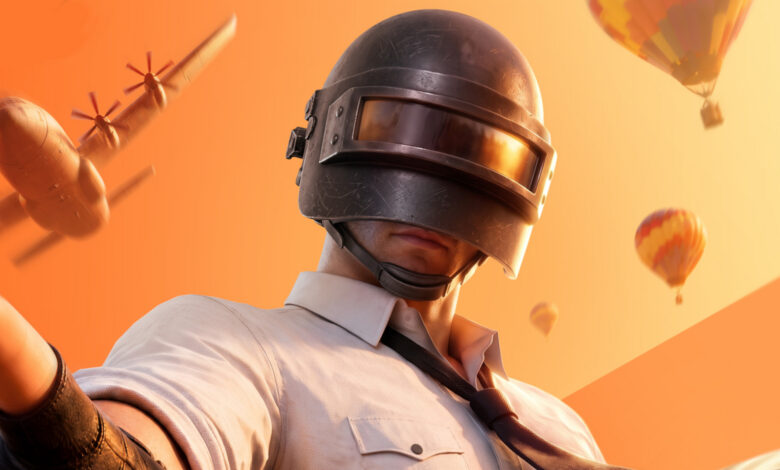
Back in June of 2026, PUBG Mobile announced that it was teaming up with the European esports organization G2 to “support the growth of the esports ecosystem in Western Europe.” This partnership kicked off at the PMGO Western Europe Wildcard tournament and leverages G2’s in-house marketing team to bring attention to the PUBG Mobile competitive scene in brand-new ways.
While G2 has esports teams across a variety of FPS games like Rainbow Six Siege and CS2, the organization has yet to set up a squad for PUBG Mobile. Instead, G2 aims to use its name recognition to bring existing fans of its teams and games over to the free mobile game’s competitive scene with events like the recently held Community Challenge. This tournament saw amateur teams compete on a custom map based on Counter-Strike’s Dust II, bringing the two games together in one fantastic event.
Following on from my trip to watch the PUBG Mobile World Championships at EWC 2026, I got the chance to chat to Alban Dechelotte, the CEO of G2, and Sivan Chen, the Publishing Director of PUBG Mobile, about the collaboration.
Pocket Tactics: What inspired G2 and PUBG MOBILE to work together?
Alban Dechelotte: Mobile esports is still relatively small in Western Europe, but the potential is huge. You only have to look at Asia to see what the scene can become, and PUBG Mobile has built one of the biggest and most established esports ecosystems in the world. For us, partnering with a team that already understands how to build at that scale made a lot of sense.
G2 brings a decade of experience in building communities, creating content, and operating across esports, while PUBG Mobile brings deep expertise in mobile competition and ecosystem growth. Those strengths complement each other really well. It means we can look beyond a traditional partnership and actually help build the scene, including through 62, our media house, which is supporting the 2026 PMCO Western Europe across tournament operations, broadcast, and social.
Sivan Chen: PUBG Mobile has developed a thriving global ecosystem; however, the mobile esports scene is still building in Western Europe. G2 has a decade of experience in growing an expansive community, which is a natural fit for PUBG Mobile’s huge player base as the most-watched battle royale esports with a peak concurrent viewership of 3.8 million viewers. A partnership made sense in our journey to expand in Western Europe and forge a dedicated community when considering G2’s industry knowledge.

After finding its home for the last few years in Riyadh, PMWC this year took place in Paris. What do you think this shift means for the future of esports – particularly mobile game esports – in Western Europe?
AD: For a European-rooted organisation like G2, bringing a major global competition such as PMWC closer to European fans is a really positive step. It makes the esport more visible and accessible here, and gives people the chance to experience the scale and atmosphere of PUBG Mobile Esports first-hand. That matters if you want to build long-term fandom in a region where mobile esports is still developing.
SC: The 2026 PMWC was a monumental event for us, with over 1.79 million viewers, the highest peak concurrent viewership we’ve seen for a PUBG Mobile Esports event in the past five years. The global community has clearly embraced PUBG Mobile Esports wholeheartedly, and we’re keen to provide more chances for Western European fans to get involved with the action directly. With many esports teams already rooted in Europe, the 2026 PMWC coming to Paris was a step towards growing the European mobile esports ecosystem further, and we’re continuing to build more opportunities for European and nearby fans to experience the atmosphere of a PUBG Mobile Esports tournament in person.
PUBG Mobile places a lot of emphasis on grassroots tournaments – how important is this slice of the overall esports pie?
AD: Grassroots competition is essential if you want an esports ecosystem to last. You need a clear path for new players to go from competing locally to seeing a genuine route towards the top level. PUBG Mobile understands that really well, which is why investment in competitions like PMCO matters alongside the Tier 1 events. For us, being involved in PMCO Western Europe through 62 is also a chance to contribute directly to that pathway, not just talk about growing the ecosystem from the sidelines.
SC: Grassroots tournaments are the foundation everything else is built on. These events provide opportunities to discover hidden talent and allow players to establish lasting connections with their local community. Plenty of the players competing on some of our biggest stages now started in these local and regional events, as they have a pathway integrated into PUBG Mobile’s goal of becoming the most participated esports ecosystem in the world. It’s incredibly important for us to allow players of all levels to get involved, naturally creating communities that love to watch and play PUBG Mobile.

What makes Janička (JanicaGaming) the best pick as Western Europe’s ambassador? Will the ambassador program expand within Europe?
AD: Janička has been part of the PUBG Mobile community for years, so there is already real trust and credibility there – that’s important. If you want to introduce more people to an esport, you need creators who genuinely understand the game and whose communities believe in them. Janička gives us exactly that in Western Europe.
SC: As for expansion, yes, we see real potential to grow the program further across Europe. Janička is the first creator of this initiative, and we think she’s a strong model for what we’re looking for. That is, someone deeply embedded in the community who can bring new audiences into the PUBG Mobile Esports world authentically.
AD: Content creators are modern-day celebrities, but more importantly, they are often the bridge between a competitive scene and the wider culture around it. They can make esports feel more accessible and entertaining to people who may never have watched a tournament before.
As you mentioned in the press release, mobile esports in general are huge across Asia, but we’ve yet to see the same level of excitement in Western Europe. Why do you think that is?
AD: Western Europe has historically been a PC and console-first market, so mobile has had to compete with platforms and habits that have been established here for decades. In many Asian markets, mobile became a much more accessible entry point into gaming earlier, so competitive mobile gaming has naturally had more time and space to grow.
There are also still perceptions in the West that mobile gaming is somehow less competitive or less serious. That is exactly the kind of perception we have an opportunity to change. The quality of the competition is already there; the challenge is getting more people to experience it, understand it, and build a connection with the players and teams involved.
Thanks, both!
I’d never experienced an esports tournament in person before EWC 2026, let alone one for a mobile game, and it was a genuinely life-changing experience. The energy in the room was electric, and the level of skill on show was fascinating to watch. If you ever get the chance to go and watch an esports tournament in person – especially a PUBG Mobile one – do it! For an even deeper dive into the goings-on in PUBG Mobile Esports, check out my interview with Oliver Ye from earlier this year.