Review: Farming Simulator 26 (Nintendo Switch)
And now an unnecessary aside: When I first played Stardew Valley, I assumed it was a farming game.
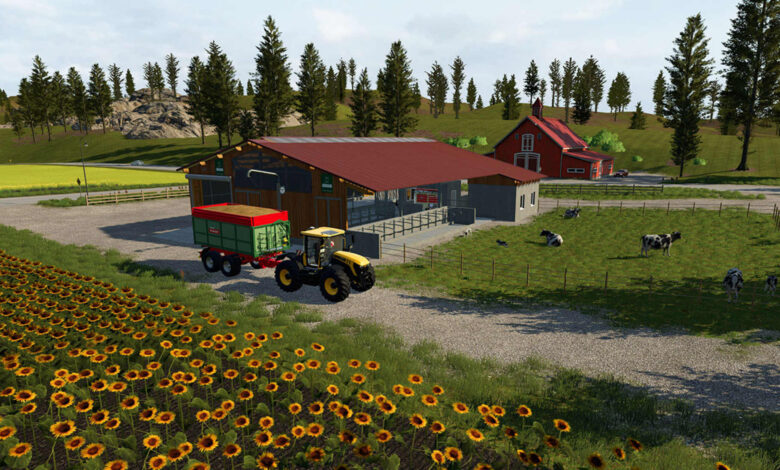
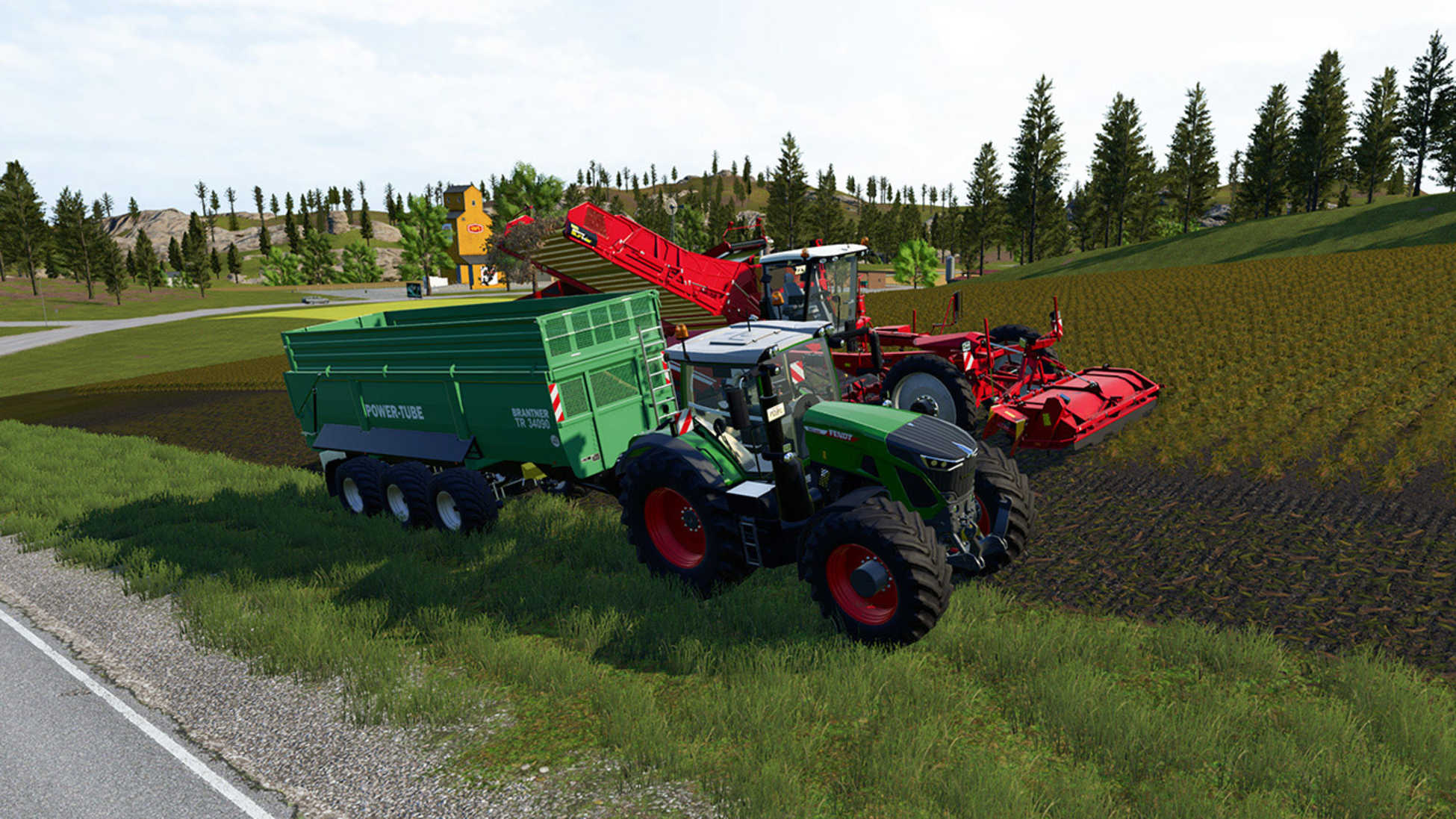
Farming Simulator 26 is the mobile/Switch version of the long-running series in which you, well, simulate farming. You choose and sow crops, harvest them when ready, and sell them, hopefully at a profit. To do this, you use tractors, trailers, harvesters, and a wide variety of other equipment (which you can purchase and upgrade through the game) while carefully keeping an eye on your bottom line so the whole business doesn’t go belly-up. There’s no computer Willie Nelson coming to save your butt if you fail.
In addition to crop farming, you can also raise livestock or try your hand at forestry.
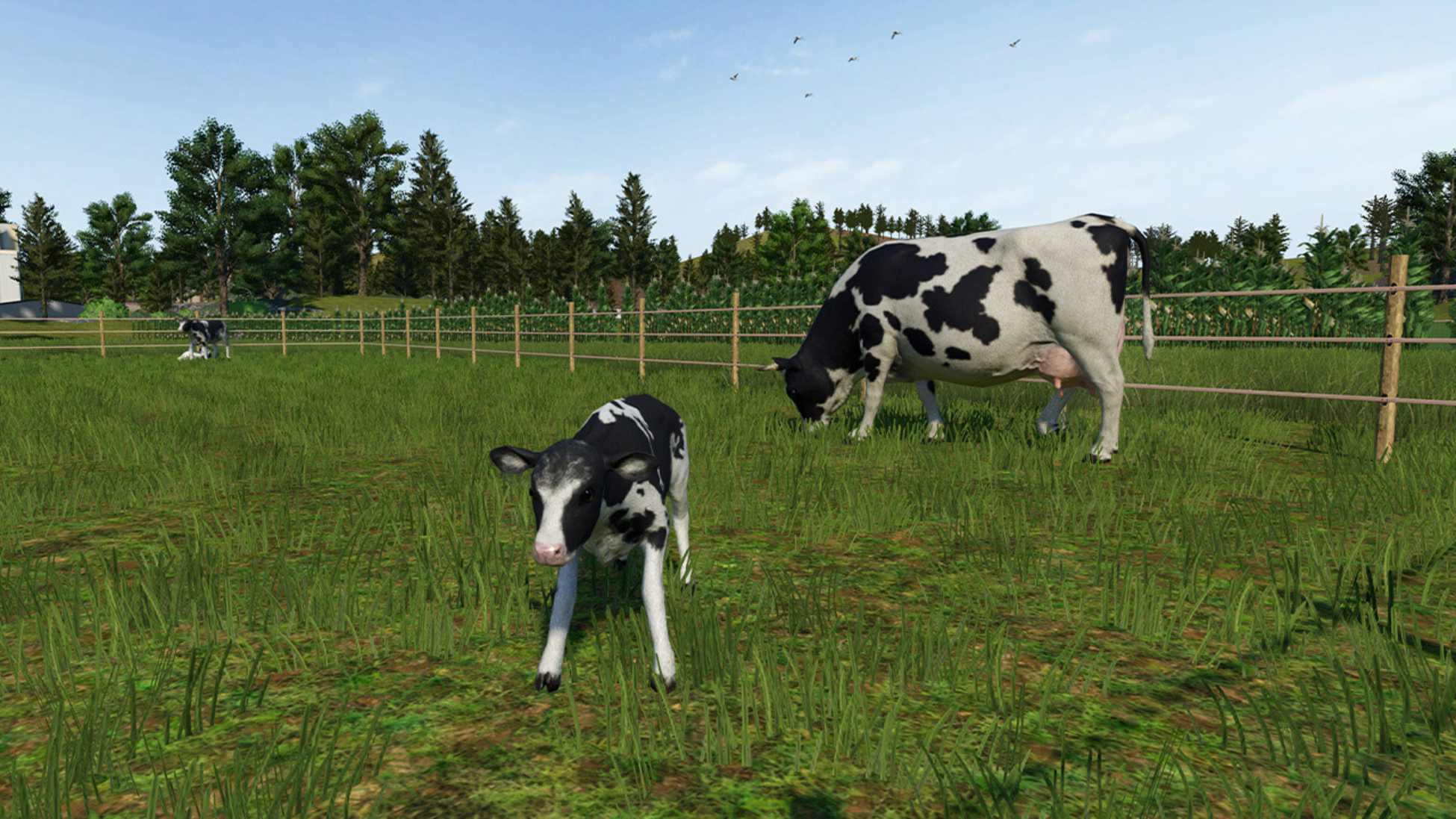
Farming Simulator 26 is an open-world game. Unlike, say, Stardew Valley, there’s nothing outside of the core game, no village in which to romance locals, no mysterious other areas to explore. There’s just you, the equipment, and the fields. And the cows. This open-world structure is the game’s biggest draw, because you can pretty much play it as you see fit, planting and growing your farm, buying more lots, and, if you run it correctly, making more money. You’re on your own.
This is also the game’s biggest flaw. Because once you’re done with the tutorial (which explains the bare basics of how the controls work and the rudiments of harvesting), the player is grabbed firmly by the ankles and swung vigorously in The Deep End with absolutely no idea of what to do next.
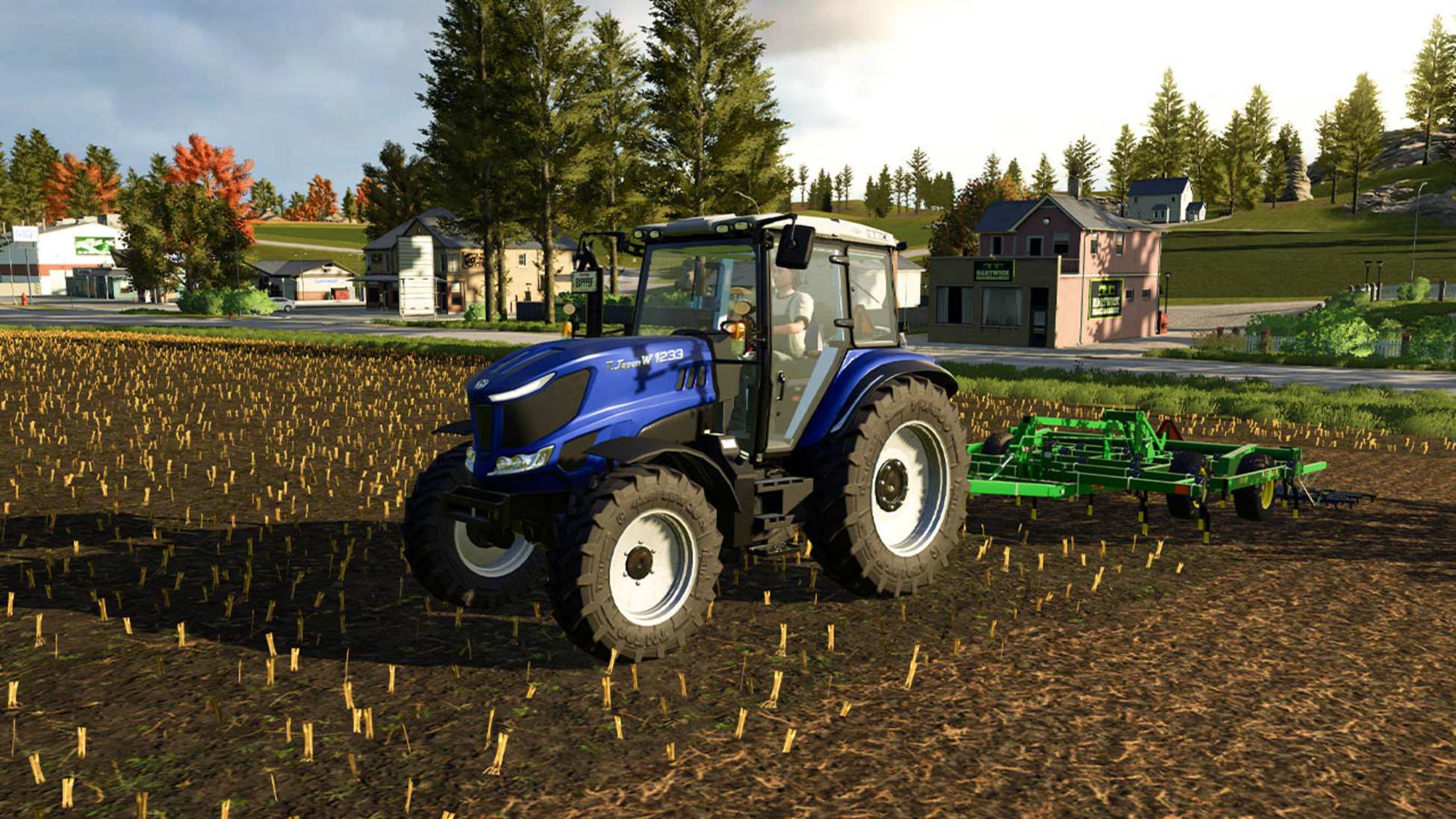
You’ve harvested your first (already grown) crop. Great. Now what? You haven’t been taught how to plant (the tutorial has an “AI worker” do that). And anyway, you don’t own most of the fields around your farm. The game follows a realistic calendar of how long it takes to grow a crop (though you can adjust how quickly time passes in the game), so until that grows, you’re stuck.
Luckily we have the Internet, and there are helpful souls out there (who have played earlier, more robust versions of the game) who suggest I take on contracts. These are one-objective jobs like harvesting or transporting goods for your neighbors that give you something to do while you wait for the canola to come in.
When looking at a contract, it’ll tell you what equipment you need to complete the job, and offer to “rent” it to you for a reduced reward. But if you accept a contract without owning the equipment, you’re screwed. You can’t select that option once you’ve taken on the job.
It doesn’t get easier if you do rent the equipment, because now you have to figure out how to use it. The job I took involved transporting already harvested goods. After accepting it, I was immediately transported into a new vehicle combo: a tractor with a trailer. I drove to the pick up location (marked on the map), then I couldn’t figure how to get the goods to the destination. The answer, after a bit of experimentation, was to unhook the trailer, drive to the pallets of cargo, pick them up with the forklift attachment (which I hadn’t seen before) and use that to load them into the trailer.
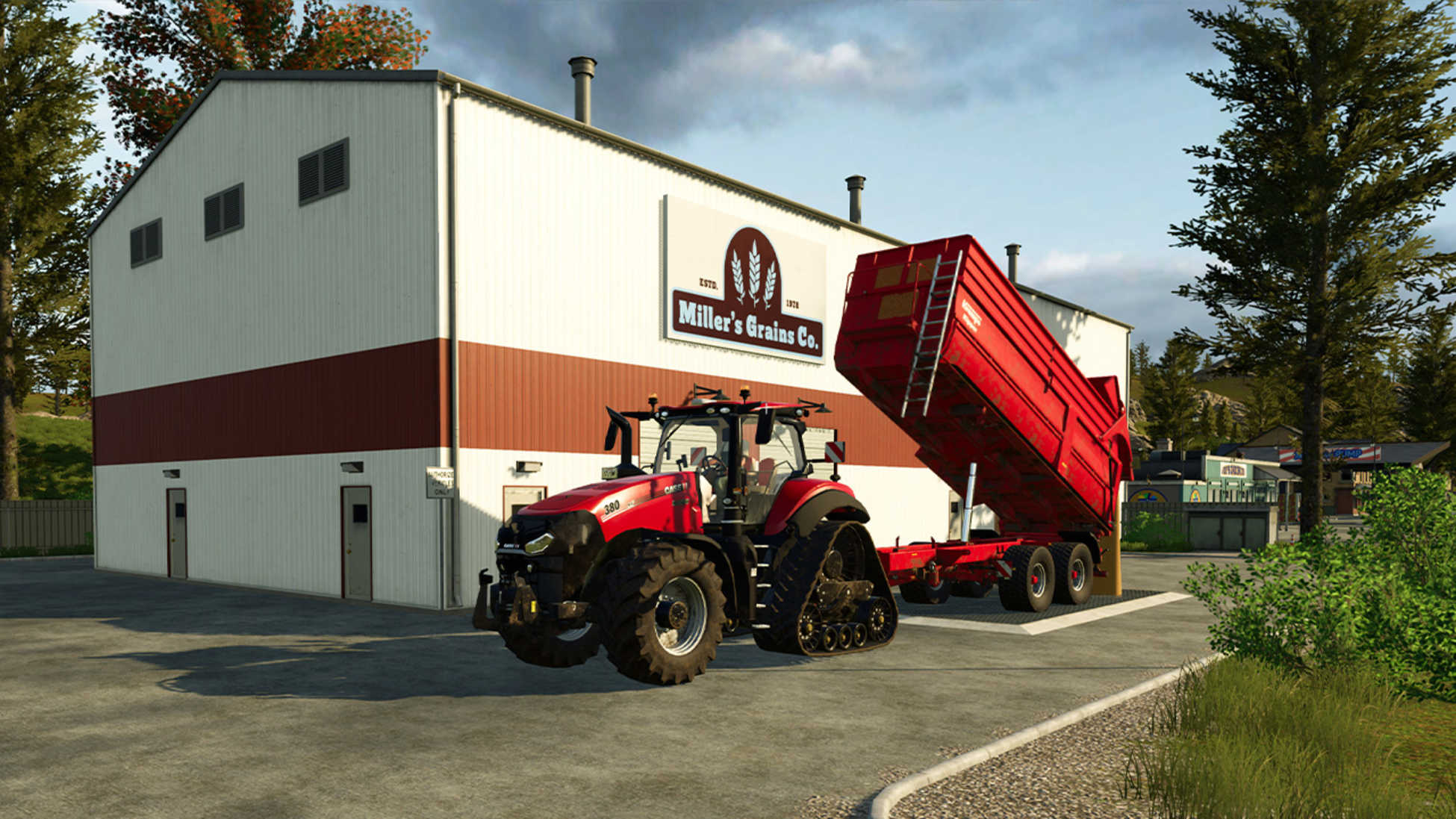
There are lots of moments like that in the game, and I’m sure for the fans of this long-running series, that is part of the appeal; seeing all of this real-world huge equipment and figuring out how to use it. And Farming Simulator 26 is a simplified version of the game for mobile and Switch. But as a new user, I found it baffling. I was constantly rushing off to YouTube and other gaming sites trying to figure out what I was supposed to be doing next, rather than settling into an engaging and fun lifestyle sim.
That being said, once I figured out (or was told) how to accomplish a task, the game is fun. There’s a certain joy in games that pretend you have some sort of useful skill in the real world, and I also appreciated the edutainment aspect: “Oh, so you haul the harvester to the field, then lock into it sideways? Huh.” There’s the business aspect to it as well, but if you don’t want to bother with money as a challenge, the game has a Creative Mode where you can just run around playing the fun parts. Provided you can figure out how the machines work.
For what’s supposed to be the simplified version of a life simulator, Farming Simulator 26 has a very definite learning curve, one which could really use a more expansive tutorial or, better yet, an ongoing tips system.