Karrion Kross Says Wrestlers Should Control Their Own Characters, Explains His Creative Philosophy
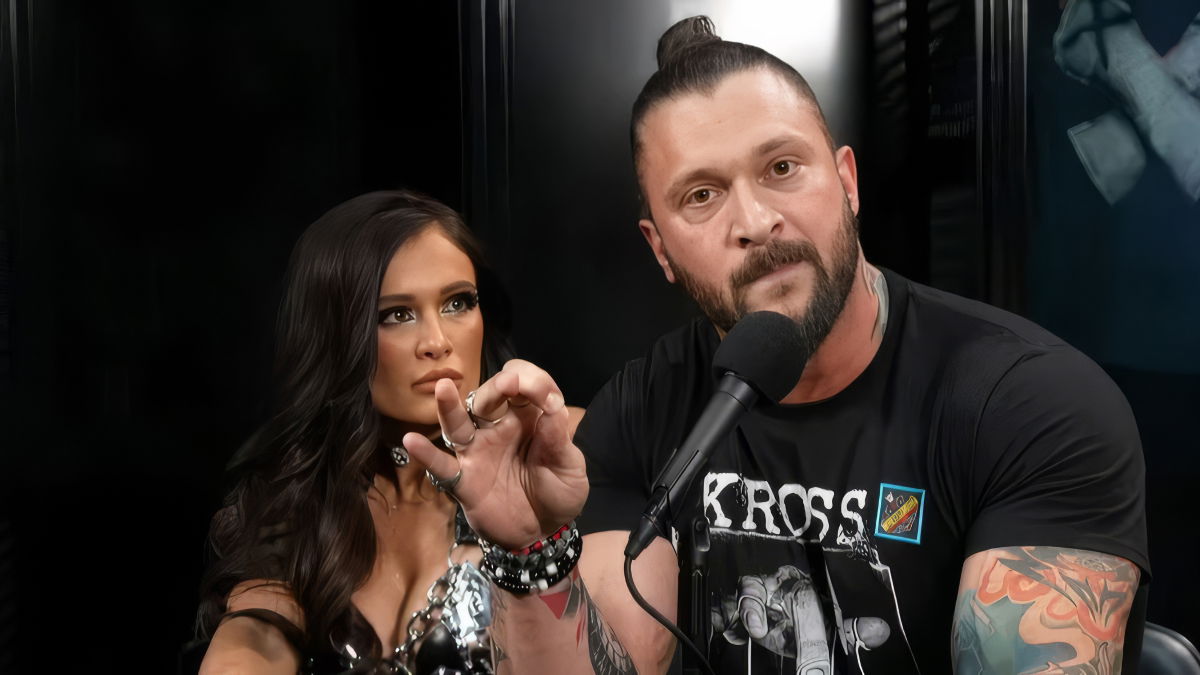
Karrion Kross believes one of the biggest keys to success in professional wrestling is allowing performers to develop their own characters instead of having someone else dictate their creative direction.
Speaking with Wrestling Headlines’ Ian Aldous while promoting his memoir Life is Fighting last year, Kross reflected on the passion and effort he has poured into crafting his on-screen persona, explaining why creative fulfillment has always been just as important to him as television exposure.
“I’ve physically, mentally, and even spiritually suffered for the development of this character to get it as entertaining as possible.
It can be a terrifying experience to be poorly produced as a professional wrestler, sports entertainer, or artist because you don’t want it to look cheap, stupid, or foolish.”
Kross explained that his character has been shaped by years of studying a wide variety of influences, from entertainment to real-life experiences.
“In my early twenties, I took creative inspiration from millions of things: novels, movies, TV shows, wrestlers, real-life experiences, and wrestling DVDs.”
According to Kross, wrestlers themselves are the people best equipped to define who their characters are.
“The talent themselves should be able to paint their own picture and not have someone else holding the brush.”
Those comments came after a period in which Kross had been outspoken about wanting more opportunities to showcase his character on WWE television. At the time, he had spoken openly about the importance of creative freedom and his desire to present audiences with a deeper look at the character he had spent years developing.
Kross also explained the mindset he adopted when he first entered the wrestling business, approaching training with the same discipline he believed would be required throughout his career.
“It is a profession that requires everything you have to succeed, and it still may not be enough.
Despite hearing all the realities, I knew what I needed to do.
I needed to step up and follow through.
So, I approached wrestling school as if it were the military.
I was not going to waste anybody’s time, and certainly not my own.”
If you use any portion of the quotes from this article, please credit Ian Aldous and WrestlingHeadlines.com for the exclusive interview.