
How live roulette and game shows feel different at Dudespin Casino
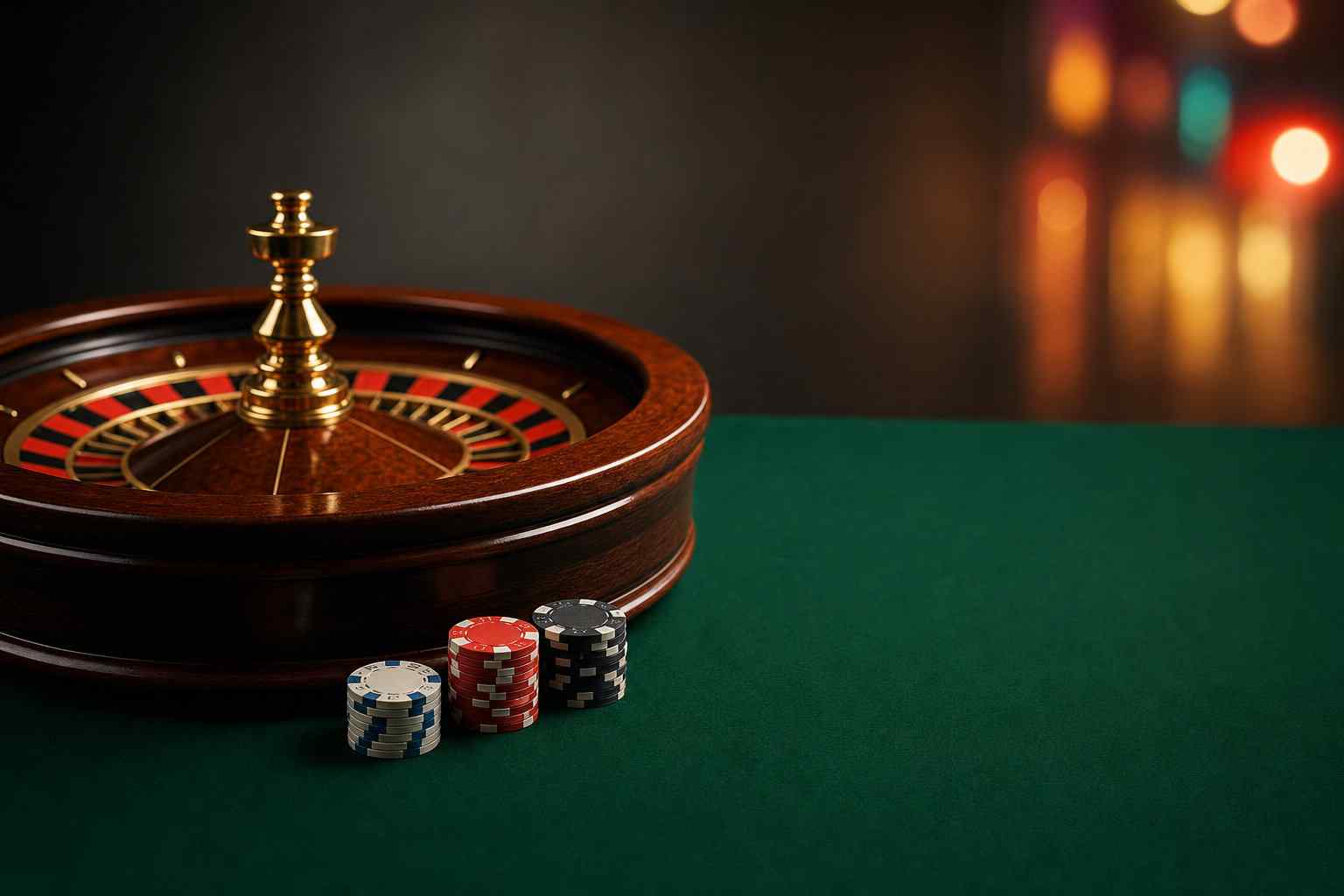
Inside the live lobby at Dudespin Casino, players encounter both the classic roulette tables and the vibrant energy of game shows set side by side. For those exploring Dudespin Casino, it can appear as two distinct experiences, each shaped by unique studio setups. Noticing what separates these formats explains why one platform suits a wide range of preferences within a shared lobby.
Today’s live casino platforms build variety into every aspect of the experience, mixing timeless table play with new, entertainment-focused formats. The gap between traditional live roulette and the latest game shows is about more than just game mechanics—it’s seen in the pacing, the visual stagecraft, and the feel of each session from start to finish. Small elements, like the way cameras move or how prompts appear, shift the tone from focused and individual to lively and collective. Exploring these elements side by side uncovers how each format takes shape and why certain players are drawn to one style over another.
What defines live roulette and game shows in the lobby
Live roulette sessions unfold in a straightforward setting centered on a physical wheel and a familiar betting grid. Dealers anchor the table with steady routines, setting a tone of calm regularity. Visuals here are generally simple: soft lighting and an uncluttered layout, keeping the action always in clear view. Even when chat features are present, the back-and-forth rarely intrudes and players usually remain locked in on their choices. Familiarity breeds comfort, making it easy for players to find a rhythm and enjoy the predictability of the game flow whether new or experienced with Dudespin Casino.
Game shows, in contrast, bring the televised studio to the live casino lobby. Here, the spotlight falls on energetic hosts and colorful props—be it a giant spinning wheel or an elaborate animated board. The set is dynamic, with bright graphics, music, and shifting camera angles designed for spectacle. The structure is less rigid, keeping viewers alert with pop-up betting panels, visible multipliers, and bonus opportunities. Instead of simple grids, these rounds offer multiple paths or stages, often guided by the host’s cues. The result is a format more reminiscent of a stage show than a table game, engineered for engagement and surprise at every turn.
How round structure changes the sense of pace
The mechanics of live roulette rely on a repeating cycle—a brief betting window, the spin, and a quick outcome. This regularity builds a natural rhythm; there’s very little downtime, and everyone knows what to expect from one moment to the next. Players can immerse themselves in the predictability, riding a sequence of decisions with only short pauses to evaluate results. On this platform, the appeal for some comes from this even tempo: a game that rewards attention and patience rather than speed or spontaneous decision-making. Live roulette tables at Dudespin Casino highlight how consistency and routine help establish a steady, concentration-rich atmosphere that feels neither rushed nor chaotic.
With game shows, the structure is designed less for repetition and more for anticipation. Rounds often stretch beyond a simple wager, flowing through phases where hosts narrate developments, graphics signal potential prizes, and suspense builds before any reveal. Players may find themselves waiting as a host sets up a bonus round or amplifies tension with commentary. Special events, such as multipliers or triggered features, can break up the timing even further, making each segment unpredictable. The shifting tempo is part of what draws certain players, offering variety and keeping the session lively. For those who prefer a predictable pace, however, this can feel disjointed—though for fans, it adds a sense of drama missing from traditional formats.
How presenter style and room energy influence play
Dealers in live roulette fill a precise, professional role: ensuring rules are followed and focusing on the essentials of each spin. Interaction is brief but clear, with most attention devoted to the table itself. The room thus maintains a quieter energy, letting players focus without distraction from constant commentary. Communication with the dealer, when it occurs, tends to be functional—remarks on winnings, timing, or upcoming rounds. This neutral, almost meditative room energy appeals to players looking for a self-guided session where personal calculation and ritual drive the experience over any social element, keeping roulette tables at Dudespin Casino appealing for focused play.
Hosts in game shows are the opposite: their presence sets the entire tone. Fast-talking and animated, they direct attention to where the action is, encourage social interaction, and react in real time to twists or unexpected results. Every win or bonus is announced with excitement, often matched by graphics or music. Even players not actively chatting may feel drawn into the communal atmosphere, as the session unfolds like a televised event. The host’s commentary serves both to inform and to build excitement, which turns the space into a shared celebration when big features land. In a busy lobby, this social and interactive style becomes a magnet for those who thrive on connection and unpredictable excitement.
How interface design sets expectations and attention
The design of live roulette games leans toward minimalism, giving players a stable grid, straightforward indicators, and limited on-screen movement. Betting choices stay visible, while things like timers, results, and stats are only emphasized when relevant. Because there are few moving parts, players can trust that their attention will not be pulled away by changing graphics or pop-up instructions. The simple structure enables quick, clear decisions and supports those who prefer methodical, uninterrupted gaming across many sessions.
Game show interfaces, by nature, run on dynamic overlays and active graphics. The betting area might morph from round to round, glowing with multipliers or new side options depending on the phase. Layers of information—such as bonus chances or leaderboards—can appear instantly, often tied to the host’s narration or highlighted by animation. It’s a visual style that guides the eye, asks for focus shifts, and makes each moment feel eventful. Players seeking engagement through both visuals and sound may find these interfaces more stimulating, enjoying how the room itself adapts to match the unfolding narrative of the game. Instead of quietly recording results, the layout plays an active role in shaping attention and expectation throughout every round.