Fun Is Celebrated In Nintendo Games, Why Not Nintendo Movies? – Editorial
It’s not about snobbery, it’s about true Nintendo magic and the power of videogames as an art form.
In 2007, Nintendo World Report rated Super Mario Galaxy for the Wii a perfect 10/10. In 2010, NWR rated its sequel Super Mario Galaxy 2 a 9.5/10. (And then repeated that in 2015).
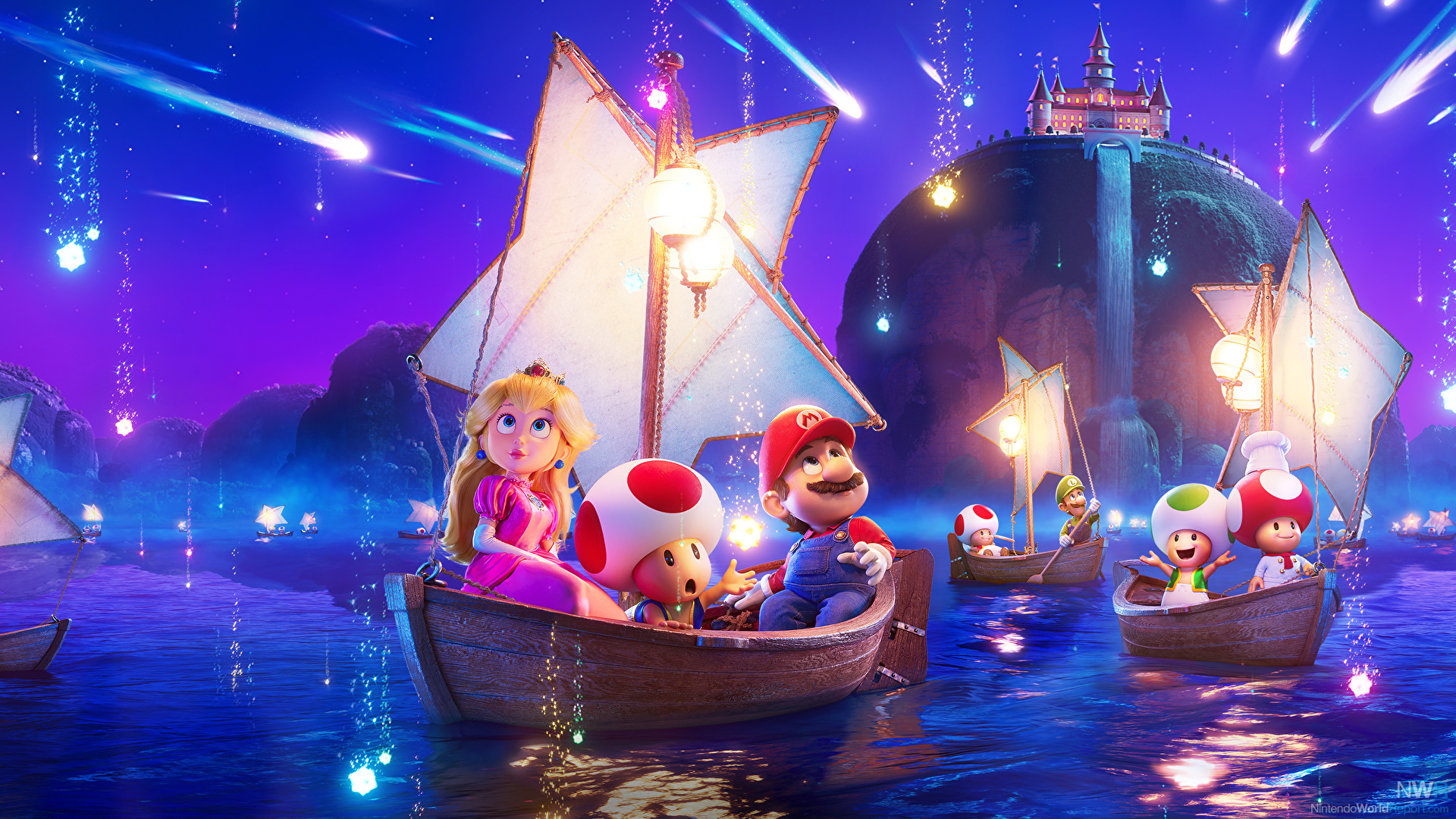
On Friday April 4, 2026, I walked out of a Cinemark movie theater into the early morning sun and had a broad smile on my face. The Super Mario Galaxy Movie had been a visual treat, a fast-paced thrill ride, and a celebration of not just Nintendo characters, but also settings, music, themes, and mechanics. I got the sense that the movie was uninhibited, embracing what it was and what it wasn’t, and more free and honest because of it.
The Super Mario Galaxy Movie was a metric ton of fun.
“I’d rate it an 8” I thought to myself, “maybe a high 7.5”.
Wait a second, what line was I unconsciously drawing? What silent judgement was I making on movies, videogames, children, animation, Nintendo, and most of all, a “fun” movie?
Why was I (only slightly) in the same category of all those professional critics online who hated the previous Mario movie (which I love) and now hated this one even more, and who said that a movie so undeniably fun was vapid and not good enough?
And since I’m so entrenched in Nintendo fandom, and agree with a 10/10 rating for Super Mario Galaxy the game, why did I not feel like a higher rating for Super Mario Galaxy the movie?
After a week of soul searching, I have a theory: this is a testament not to the snobbery around “fun”, it’s about the power of videogames. More precisely, this is an example of why videogames are their own category of artistic expression that might be labelled – academically and awkwardly – as interactive entertainment.
INTERACTIVE entertainment.
That controller between you and the game isn’t just a hunk of plastic and chips. It’s actually the conduit that’s missing from film, music, and television. It’s a livewire connection to an entirely new world, and a challenge to respond constantly, act intentionally, and think deeply. It’s you animating an otherwise inert collection of 1s and 0s by sparking it with your innate agency.
This is why fun in videogames is different from fun in movies. In movies this sensation is delivered to you, crafted, shaped, and even dictated by others. You merely receive it.
In videogames, the fun comes from you. The conditions to have fun may exist, but you breath it into being with your actions. You are the final ingredient, and the fun you’re having is a just reward for your (sometimes repeated) efforts.
This gets to the magic of Mario, and honestly a lot of Nintendo in general. Yes, it’s fun. But that fun comes because you’re the one jumping, exploring, and flying. You’re hiding in ink, you’re commanding sentient carrots, you’re building towns and houses. You’re making friends, you’re setting priorities, and you’re the one who pushes buttons on the controller, or can decide to turn the whole thing off.
In contrast to what happens in so many Nintendo games, in movies you’re watching, and receiving. You can judge it afterwards, but nothing that you do changes the essence of the presentation. Your opinions are after the fact, mere evaluations instead of direct action.
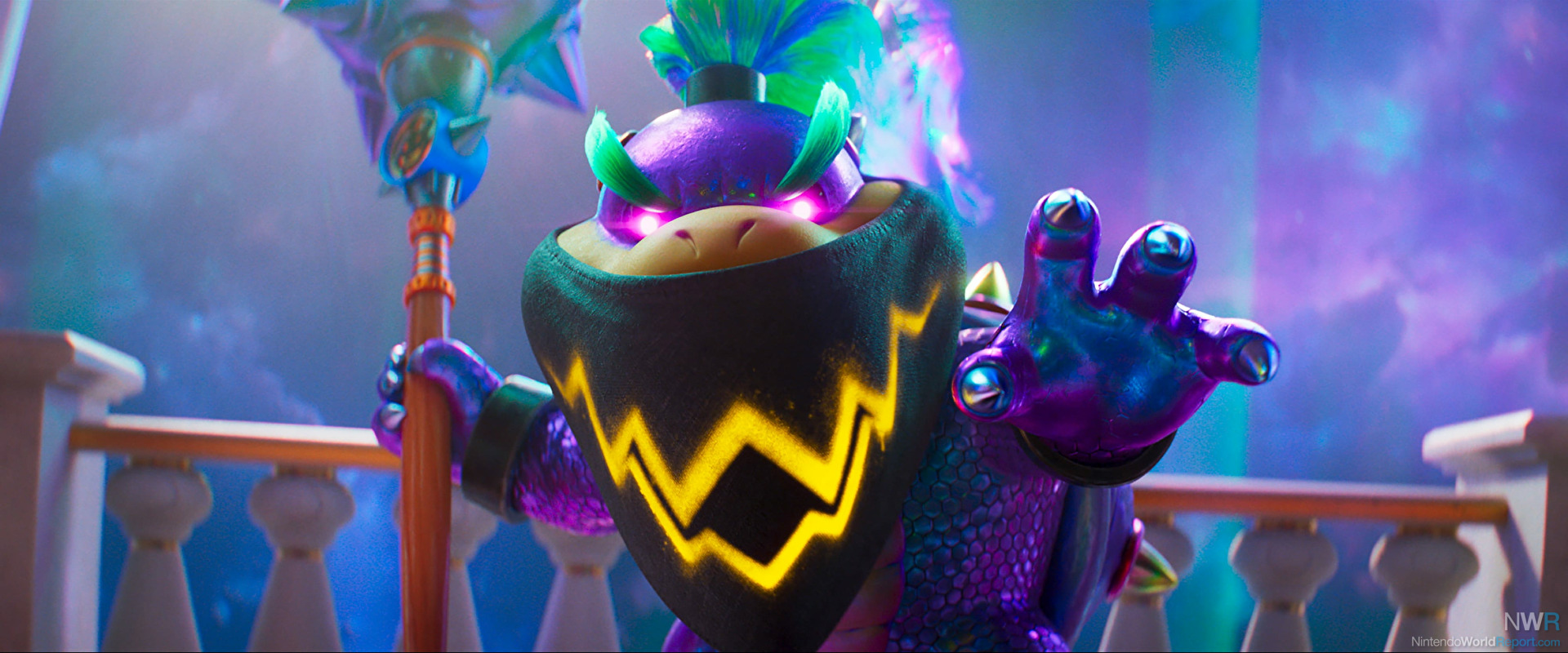
And The Super Mario Galaxy Movie is a movie. It’s a fun movie. But now we see why the nature of this “fun” is different. Its shallower, lighter, and not an expression of your own self.
I don’t mean to say that movies, the medium of film, is inferior. Movies may not be interactive but there’s ample evidence that they can be shocking, transformative, and challenging. Yes, some games have the ambition of making you cry, but for movies that’s not novel, it’s routine. Movies are expected to capture their audience so completely, lull us into receptivity so seductively, that not only can they make us cry, they can regularly make us rage, yearn, desire, cheer, and more. Movies have a history of finding ways to challenge us to core out our very sense of self-image… and what’s more, despite being passive, they can make it feel good, or if not good at least cathartic.
All I’m saying is that movies don’t have the same kind of “fun” as videogames. Without the primacy of the player’s actions, “fun” in a movie is not created live as a reward or as an outcome. It’s merely pre-applied icing, the sweet temporary flavor to distract you from the real substance of the meal. In videogames, it IS the meal, their reason for being.
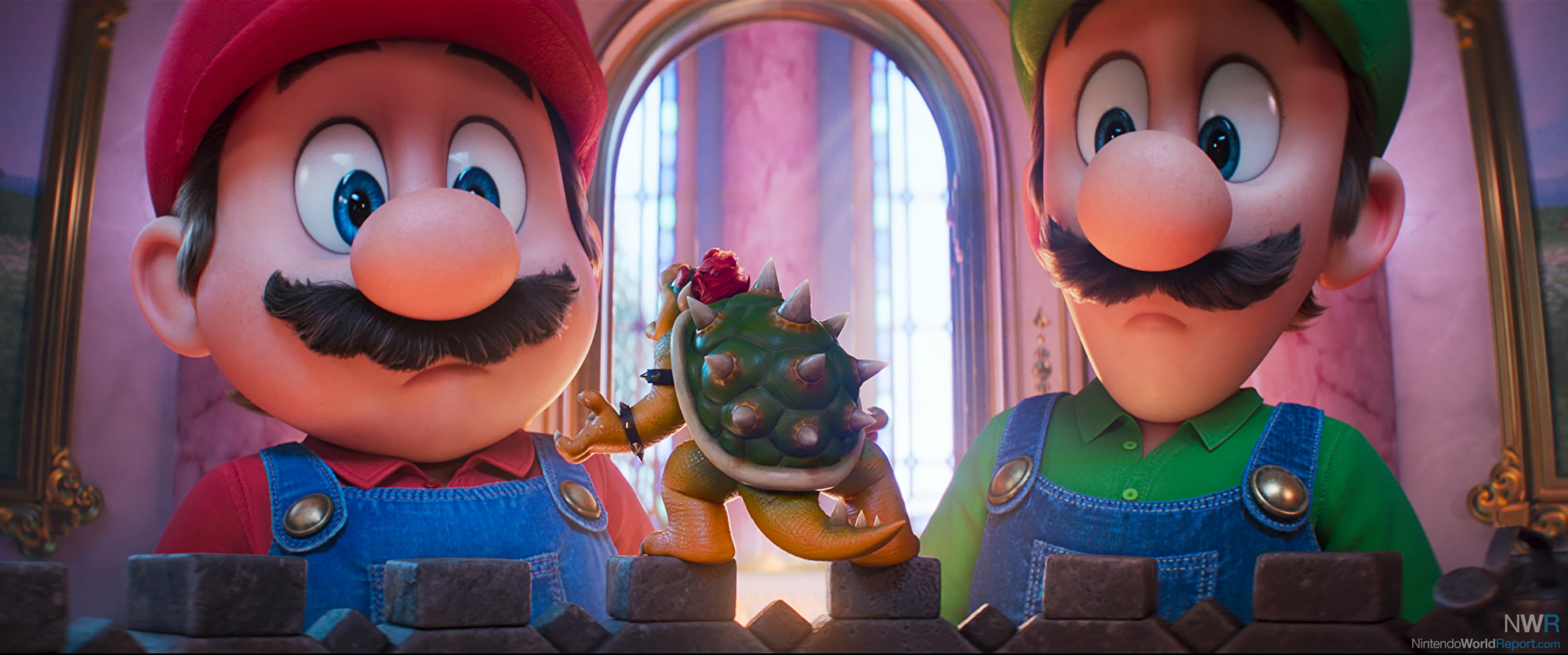
The Super Mario Galaxy Movie was fun. But that was Mario up on the screen jumping and leaping. That was Toad reacting to Yoshi, Princess Peach setting out on an adventure, and Fox McCloud being… a really cool guy. And without a story that challenged me on some level, I was ultimately just along for the ride.
The Super Mario Galaxy games were fun because that was ME mastering planet after planet, world after world, galaxy after galaxy. I didn’t need some grand story. I was creating my own story in every single moment.
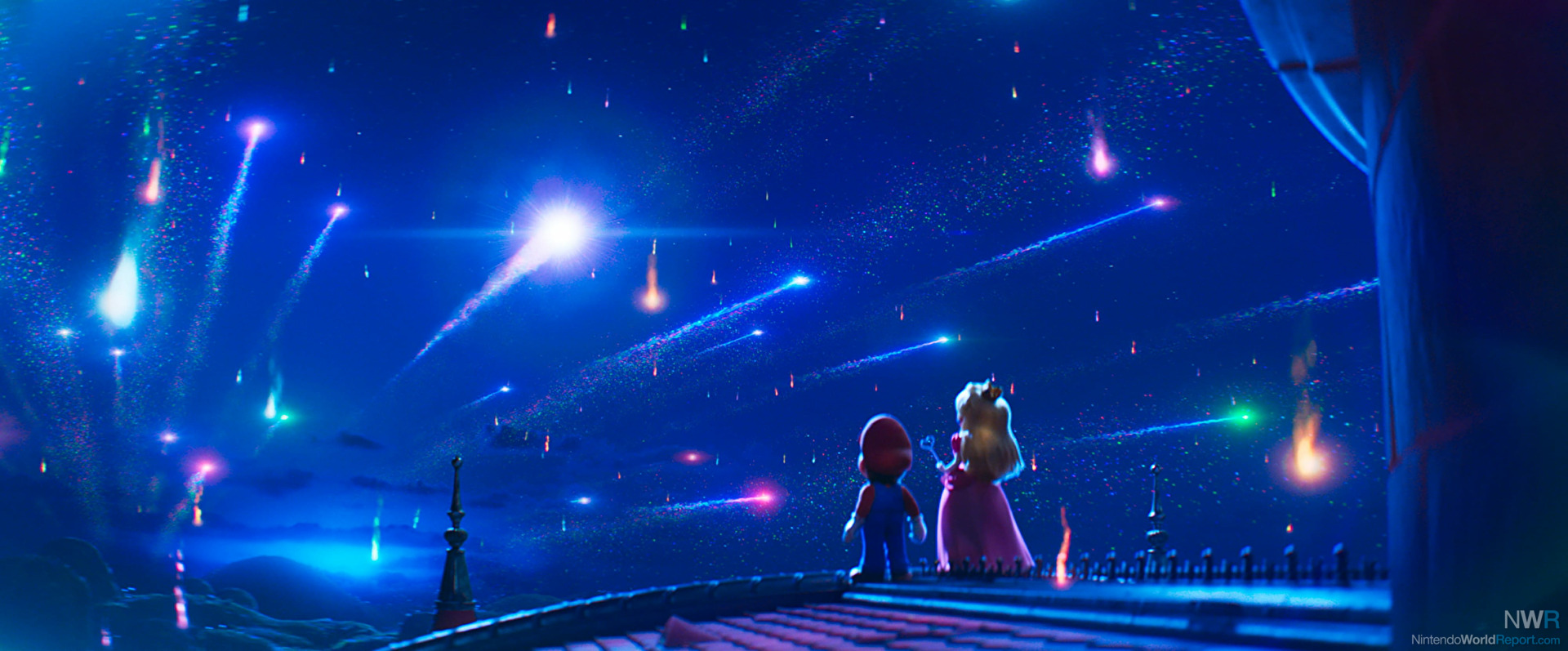
It’s okay for “just fun” movies to exist. But movies have to bring more to the table if they want to compete with 10/10 Nintendo games. They need to bring more to the table because they have to make up for missing one of the most underappreciated and uncelebrated story elements that’s central to every great Nintendo masterpiece: you, the player.