Logan Paul Says He Was “Born To Wrestle” — Is WWE’s Most Polarizing Star Already Too Good?
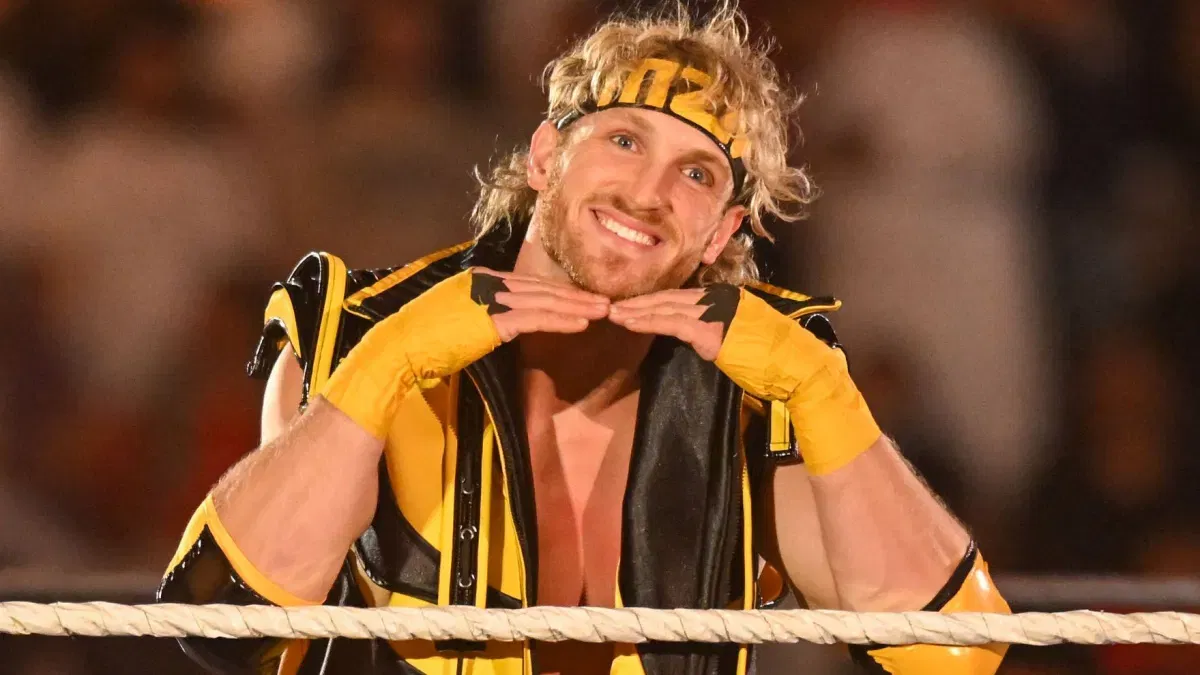
For years, the debate around Logan Paul has centered on one question: Is he just a celebrity guest playing wrestler, or is he already one of WWE’s most naturally gifted performers?
If you ask Paul, there is no debate.
After signing a new multi-year WWE contract earlier this year that will reportedly keep him with the company in a more full-time capacity, Paul made it clear that he sees professional wrestling not as a side project, but as destiny.
“I was born to wrestle,” Paul declared in a recent interview with Sports Illustrated. “I truly believe that. … Every single skillset that I’ve garnered throughout the entirety of my life has culminated into this insane balance of ability that is the WWE, from the showmanship to the storytelling to the improv and intuition that comes with being a wrestler, to the physicality.”
It is the kind of quote that will divide a locker room and light up social media in equal measure. Yet it also speaks to why WWE continues to invest heavily in him.
Paul has wrestled just over 30 matches in the last six years, with the majority coming in 2025. In that short span, he has captured the United States Championship, main evented Premium Live Events, and consistently delivered high-risk, high-reward performances that have impressed even longtime critics. Unlike many celebrity attractions before him, Paul has not relied on protection-heavy booking or limited appearances. He has taken major bumps, worked extended matches, and embraced the grind of the role.
His confidence does not stop there. Paul referenced a public exchange with former NFL quarterback Tom Brady, where he argued that professional wrestling is more difficult than football. Whether meant to provoke or not, it reinforced his belief that what happens inside a WWE ring demands a rare blend of athleticism and performance.
As for his decision to re-sign, Paul framed it as inevitable.
“I’m too good to leave all that meat on the bone. The WWE needs me,” he stated. “The audience needs me, because there is no one like me. I needed to inject more of myself in this business, that I am so clearly gifted at.”
Those are bold claims in a company stacked with generational talents and established main eventers. But Paul’s track record so far suggests he understands how to generate heat, how to command attention, and how to turn real-life controversy into storyline fuel.
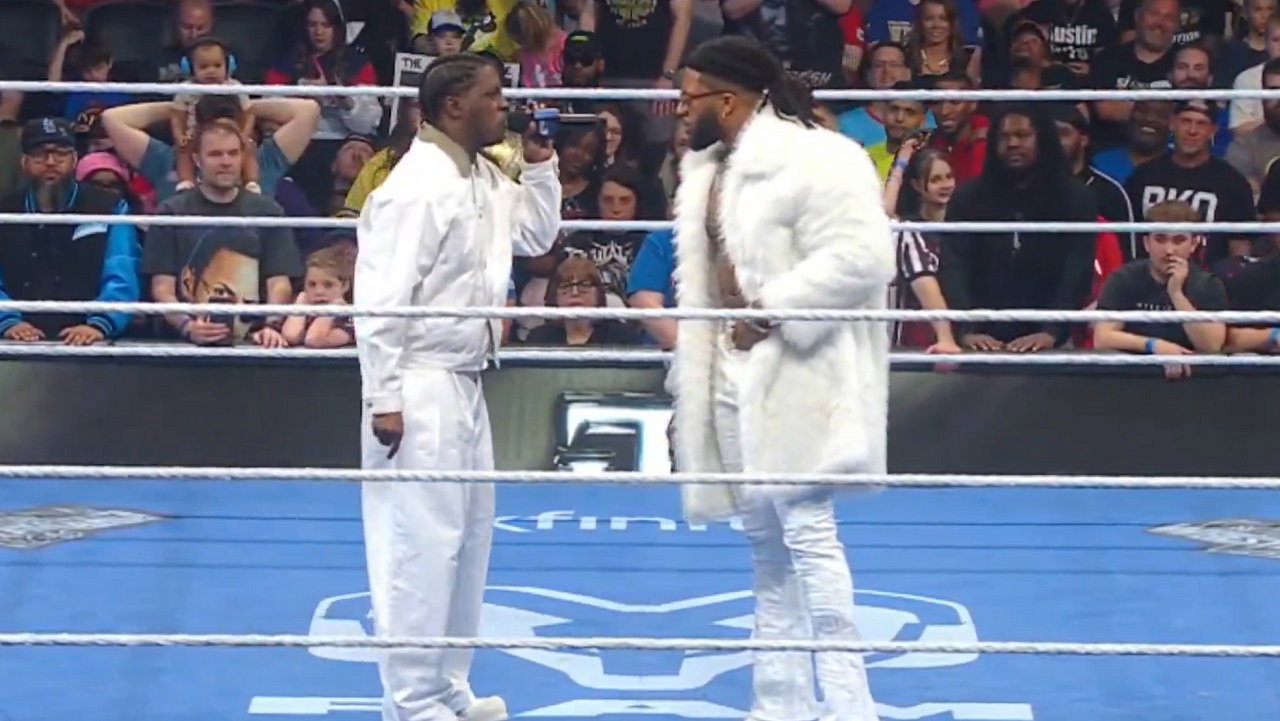
Most recently, he appeared on Monday’s WWE Raw alongside his Vision stablemates in a failed attempt to secure Austin Theory a spot in the Men’s Elimination Chamber match. Even in a supporting role, Paul remains a focal point whenever he appears on screen.
In modern wrestling, crossover appeal has become as valuable as in-ring skill. WWE operates as both sports presentation and global entertainment brand. A performer who can draw outside attention, move social media metrics, and still deliver between the ropes represents a rare asset. Paul embodies that hybrid model.
Whether fans embrace him or resent him, his presence forces a reaction. And in an industry built on reaction, that may be the most natural gift of all.