Logan Paul Studying WWE Hall Of Famer To Elevate His Character — Is He Following The Right Blueprint?
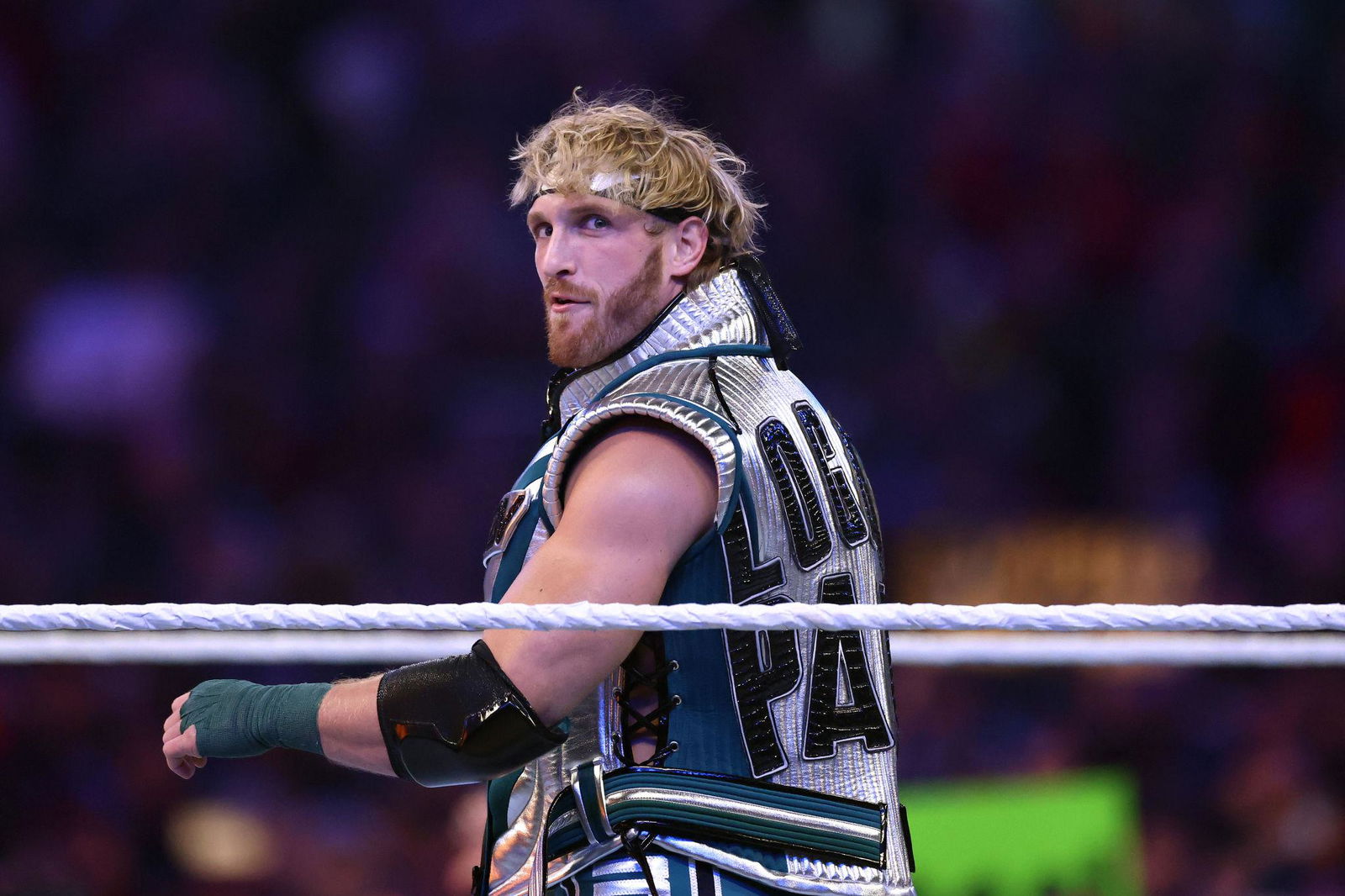
There’s still a section of the wrestling audience waiting for Logan Paul to be exposed. Four years in, that moment hasn’t arrived. Instead, the social media megastar has racked up a United States Championship reign, main event appearances at Premium Live Events, and the kind of in-ring confidence that most rookies take a decade to develop.
That evolution hasn’t happened by accident. While speaking on Sports Illustrated’s “The Takedown,” Paul revealed he’s been deliberately studying one of WWE’s most influential Hall of Famers in an effort to sharpen his presentation.
“Got to learn from the greats. I’ve been studying actually, Superstar Billy Graham…” Paul explained. “There are so many greats that have graced the WWE and there’s a lot to learn, and there’s called ‘Steal Like An Artist,’ and I think it’s an interesting book because it’s essentially saying like allow yourself to be influenced by those who are great and then make it your own. I try to do that with a lot of my predecessors.”
For a performer often dismissed as “just a celebrity,” that answer speaks to something more calculated.
“Superstar” Billy Graham was not merely another colorful heel from the 1970s. He was a prototype. In 1977, Vince McMahon Sr. positioned him as the man to dethrone Bruno Sammartino’s second WWWF Championship reign, ending a nearly four-year run and ushering in a new era of sports entertainment presentation.
Graham’s bodybuilder physique, bombastic interviews, and hyper-confident charisma created a template that would later be refined and magnified by Hulk Hogan. Without Graham’s influence, the cartoonish swagger and over-the-top persona that defined WWE’s 1980s boom may never have taken shape in the same way.
Paul studying Graham is not a random name-drop. It suggests he understands that longevity in this business requires more than viral moments. It requires a character that translates across eras.
Paul referenced the concept of creative influence as something intentional. “Allow yourself to be influenced by those who are great and then make it your own,” he noted, framing his approach as evolution rather than imitation.
That mindset aligns with what has separated him from other crossover celebrities. WWE has brought in countless outside names for one-off attractions. Very few commit to the craft beyond a single storyline. Fewer still are trusted with championship gold.
Paul, however, has embraced the grind. His athleticism was obvious from day one, but his promo cadence, pacing, and willingness to lean into a larger-than-life persona suggest someone actively studying the psychology of what makes a top heel connect.
And in that sense, Graham is an appropriate blueprint. Over-the-top confidence. Physical presence. A character that lives beyond the ropes.
In a locker room loaded with elite athletes and second-generation stars, differentiation is currency. Paul recognizing that lineage and studying wrestling history shows an understanding of how character architecture works in WWE’s ecosystem. Modern audiences may consume wrestling differently, but the foundations of star power remain rooted in personality and presence.
When a celebrity-turned-wrestler openly cites the architects of the industry as inspiration, it also blurs the line between outsider and full-time performer. That shift changes how fans evaluate him.
Paul’s willingness to borrow from wrestling’s past while adapting it to a digital-age persona reflects a broader trend. The most successful modern stars often remix legacy traits rather than invent something entirely new. Whether that approach ultimately cements him as a long-term pillar or simply an exceptional anomaly will depend on how consistently he evolves the character he’s building.
For now, studying Billy Graham signals that Logan Paul understands one fundamental truth about professional wrestling: the loudest personality in the room often wins, but only if the foundation underneath it is strong enough to last.