MVP Explains the Most Overlooked Skill in Pro Wrestling
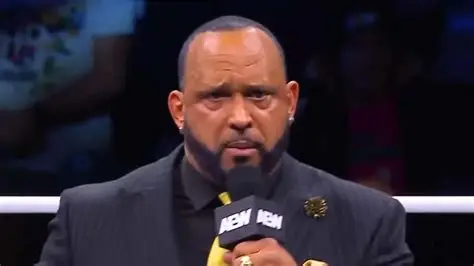
In professional wrestling, the difference between a move landing and a moment connecting often comes down to what happens after impact. That idea was the focus of a recent discussion by MVP, who broke down why performance, not athleticism alone, separates good wrestlers from great ones.
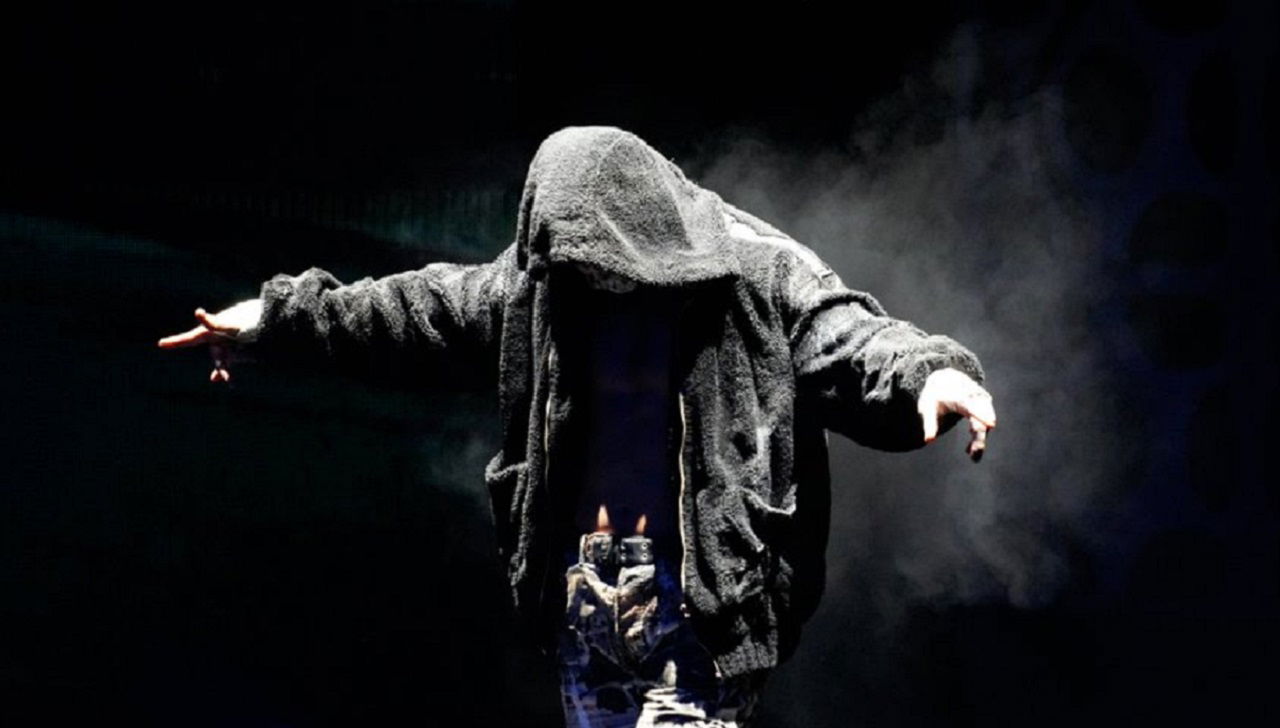
Speaking on his podcast Marking Out, MVP explained that the most effective storytelling happens through subtle cues: how a wrestler reacts, moves, and carries themselves. He pointed to a lesson often emphasized by Vince McMahon: faces communicate emotion faster than words. For masked wrestlers, however, that responsibility shifts entirely to posture and motion. Without facial expressions to rely on, every reaction must be exaggerated through physical behavior to make the audience feel what the performer is feeling.
MVP highlighted luchadores as masters of this craft, singling out Rey Mysterio as a prime example. According to MVP, Mysterio doesn’t just sell damage, he invites the crowd into it, making pain readable and sympathy unavoidable. That dynamic, MVP said, directly affects how opponents should work. When a wrestler is that beloved, restraint becomes a weapon; even the smallest contact can generate enormous heat if the injured star is given space to react.
He contrasted that experience with working other fan favorites, including Jeff Hardy, noting the same principle applies. The takeaway, MVP argued, is that wrestling at its highest level isn’t about constant motion or flashy offense. It’s about timing, awareness, and letting the audience emotionally process what they’re seeing. When that rhythm clicks, the match stops feeling rehearsed and starts feeling alive and that, to MVP, is where wrestling truly becomes art.
What Fans Should Know
If you’ve ever wondered why certain matches feel unforgettable while others blur together, this is a big part of the answer. Wrestling has always rewarded performers who understand reaction as much as execution. From the territory era through the Attitude Era and into today’s TV-driven product, the wrestlers who lasted were the ones who knew how to slow things down and let the audience emotionally process what they were seeing. MVP’s point isn’t abstract theory, it reflects a long-standing industry truth that selling, especially through body language, is what turns moves into moments and opponents into villains.
This also explains why wrestlers like Rey Mysterio and Jeff Hardy have remained crowd magnets across generations. Their ability to communicate vulnerability creates instant investment, which in turn dictates how their matches must be worked. Smart heels don’t rush those moments; they amplify them. For fans, understanding this changes how you watch wrestling. You start noticing why certain performers draw louder reactions with less effort and why restraint often creates more drama than constant action. Wrestling isn’t just about what happens; it’s about how long the feeling lasts.