Starbites Review – Review – Nintendo World Report

On the planet Bitter, it’s hard to feel anything but.
The RPG genre is rich with a variety of stories, systems, and styles. It’s exciting when a new IP emerges that looks to make its mark in the space–let alone outer space. While no one can hear you scream out there, I’m confident that they would have heard my sighs and groans as I made my way through Starbites, an NIS America published, turn-based RPG that follows the exploits of a salvager named Lukida who yearns to leave her home, and mountain of debt, behind. Unfortunately, glaringly unattractive visuals and frustrating bugs make it tough to enjoy the solid combat and multi-faceted progression.
Protagonist Lukida is a plucky go-getter who aspires to secure her freedom after accruing an insurmountable debt on planet Bitter, with curmudgeon Fennec constantly reminding Lukida about her effective servitude. Fennec oversees the hub city of Delight, where the story begins, and a series of escapades see Lukida and her comrades Gwendoll (aptly named) and Badger (somewhat aptly named) explore the surrounding areas and encampments in pursuit of ever-changing goals. The motivations of the characters are puzzling, with the group at times cursing Fennec and her stranglehold of their society and at other moments feeling sorry for her. Later characterization helps with this to an extent, but the slow opening 10 hours are difficult to push through, for a multitude of reasons.
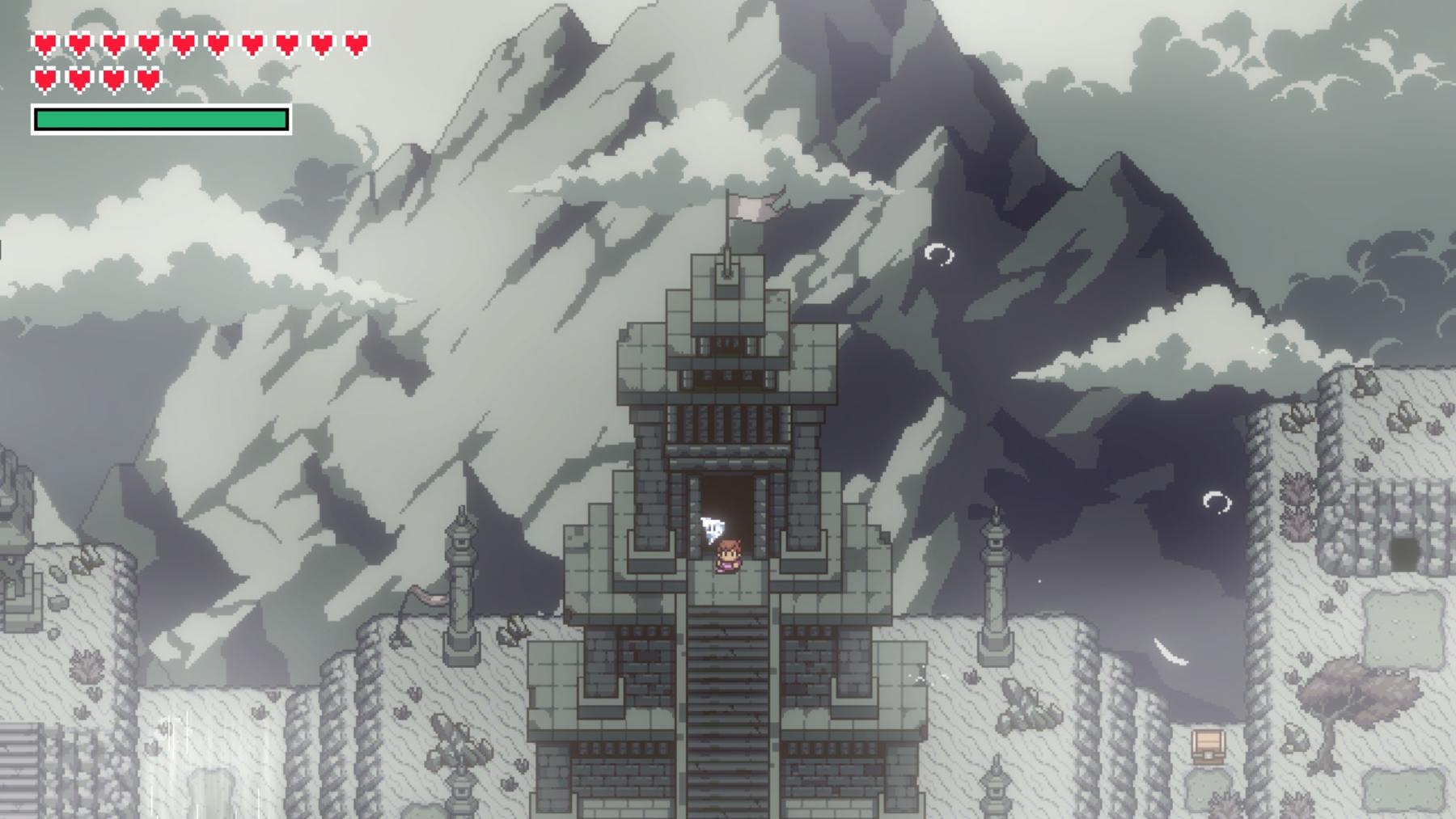
Compounding the narrative shortcomings are some of the worst visuals I’ve seen on Switch for an RPG of this size and backing. The words “muddy” and “faded” could be said to be effective choices for the desolation and dystopia that the people of Bitter live through, but it’s the player that suffers as much, if not more, than the cast and their compatriots. From what I’ve seen in trailers and other footage and screens, other versions of Starbites are performing more admirably and looking sharper, but our Switch 1 review copy, in spite of being played on Switch 2 hardware, is genuinely tough to stomach. This is also coming from possibly the least sensitive staffer at NWR when it comes to things like resolution and performance.

For more than half of the game’s 15 to 25-hour runtime, you’ll be exploring a barren, lifeless desert, a space literally devoid of life save for a small encampment and a hidden hive of scum and villainy. Later biomes aren’t much more intriguing. Even when you think you’re done with the desert, it manages to pull you back in. The robot enemies you encounter are incredibly generic and far too difficult to tell apart. There’s lots of treasure to find for the more intrepid, and helpful recharge pads every so often that refill your health and Talent Points (TP) and allow you to save, and you’ll want to do this every time you see one given the crashes and softlocks that occur about once an hour, at least for me. A sore point, among many, in the second half of the game was when I spent all my money on weapon upgrades only to find basically every single one in a chest within the subsequent dungeon.
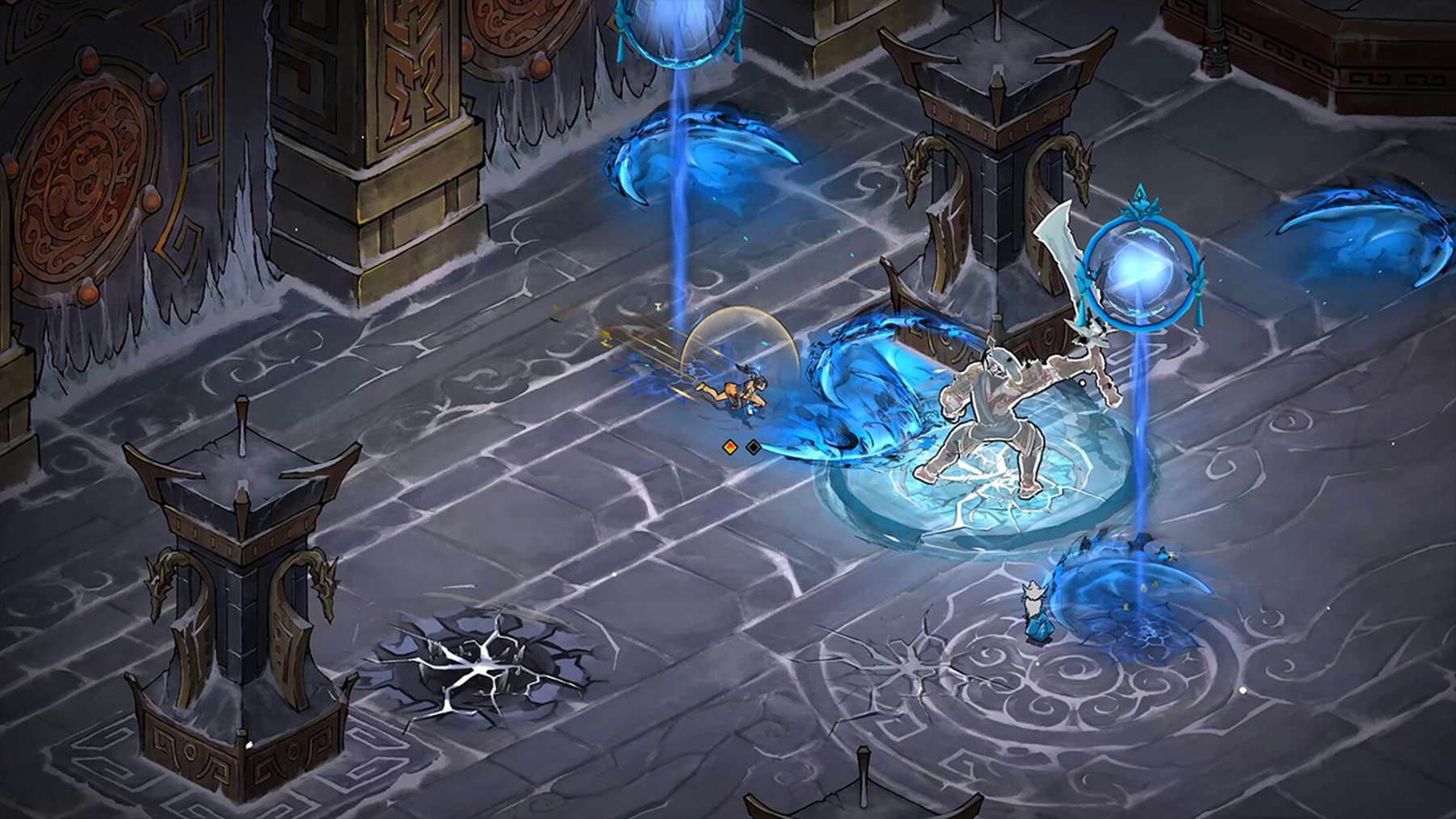
It’s not all doom and gloom for Lukida and her pals; the combat system being reminiscent of Octopath Traveler’s weaknesses and breaks is a welcome sight. Each character’s basic attack is associated with a different element, in addition to all of their attacking special moves having their own affinities. By the end, everyone on the roster has the capacity to hit three or more different weaknesses, making every three-person party composition viable. Breaking an enemy also allows for a support character not in the active party to pop in for a few extra hits. Adding to the flexibility is the way levelling up earns you points to spend across three types of progression trees. You can focus on stats like attack power, HP, defense, or improving certain abilities, like making your healing moves cost less TP or be more potent. I’m always happy to see choice-based progression like this, allowing even more naturally offensive-inclined characters to be more stout or tankier characters more deadly. The mecha the characters control have some flashy moves, too, but performance can take a major hit during some of these abilities.

Another particularly neat element of the combat is the Driver High mechanic, which functions almost like S-Crafts from the Nihon Falcom Trails RPGs. As a character takes and deals out damage, their DH meter gradually fills, and when full, you can activate the Driver High to give that character a second turn, even jumping ahead of an enemy in the queue (if you’re quick enough). In addition to a boost in strength, every character’s special moves can gain new perks or elemental affinities. This adds another interesting layer of strategy in terms of timing when to use your Driver High to break a vulnerable foe or save a reeling teammate.
Where combat stumbles is in terms of the damage sponge bosses and the apparent punishment for being underleveled. Boss fights end up being fairly scarce overall, but I basically had to grind my way to victory after every first encounter with them. Even then, the game seems to force a reliance on items and attrition given how quickly you can run out of TP and need to recharge. In a few situations early on, I ran into routine fights with seemingly regular enemies where my normal and special attacks would miss more often than not, which led to some major frustration before I went back and leveled up some more. It’s a very odd design to tie weapon accuracy, rather than raw damage, to a potential mismatch between your party level and that of the roaming foes, so be cautious about strolling into unfamiliar territory where your party members seemingly lose all hand-eye coordination.
There are plenty of fetch-questy side missions to take on if you need extra cash and items; some offer rare crafting materials and equipment, too. You’re not always rewarded for your exploratory efforts, but occasionally you’ll come across a game changing weapon that pushes you towards keeping a particular comrade in your party, as was the case for me with Gwendoll and her sniper rifle. Without a doubt, she put out the most damage of anyone on my roster, and so I used Lukida to keep the damage buffs flowing and Makobo to keep the enemies’ defenses in tatters.
It’s not uncommon for an RPG to start slow and build to a satisfying climax and conclusion, and while the plot of Starbites does improve and diverge wildly in equal measure, the putrid aesthetic and repetition make for a slog of a time most of the way through. I did find Lukida to be an endearing hero, as she shares a number of close bonds that show how she has inserted herself into the lives of those around her. That said, inexcusable crashes and softlocks plagued my time with Starbites past the first 5 hours of the game, pushing me to the limit in terms of actually wanting to roll credits. When it wasn’t the bugs and performance doing it, it was the repetitive, boring dungeons that nearly had me cast aside my controller. Sadly, Starbites neither aims high enough to get anywhere near the stars, nor does it have enough firepower to even breach the atmosphere. If you do somehow feel compelled to play it, leave the Switch version buried in the desert where it belongs.