Was David Otunga Supposed To Lead Nexus? Former WWE Star Says CM Punk’s Takeover Changed Everything
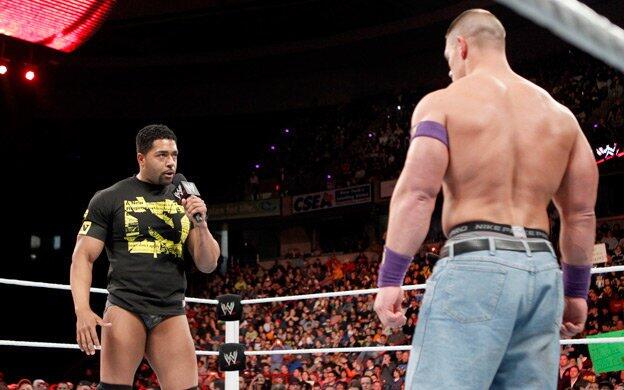
For years, fans have debated where WWE went wrong with Nexus.
The faction debuted as a genuine threat, hijacking “WWE Raw” and dismantling top stars. Yet by the end of 2010, after John Cena defeated Wade Barrett at TLC, the once-dominant group felt fractured and directionless. The prevailing narrative has long been that Nexus simply fizzled out.
According to David Otunga, it was far more chaotic than that.
Otunga recently revisited the transition period between Barrett’s exit and the rise of “The New Nexus” under CM Punk, and his version of events adds a new layer to the long-running conversation about creative misfires during that era. “After that, we didn’t know where we were going or what was next for us,” Otunga explained. “We just knew that Wade was out of the group.”
What made the uncertainty more jarring was what Otunga believed had been set in motion behind the scenes. “We had been led to believe that eventually, I was going to be taking over the Nexus, and I would be leading the group,” he revealed.
From a booking standpoint, it made sense. Barrett had been ousted. Otunga had been positioned as a central figure within the faction. A leadership transition could have been the natural evolution of the storyline.
But that was not the direction WWE ultimately chose.
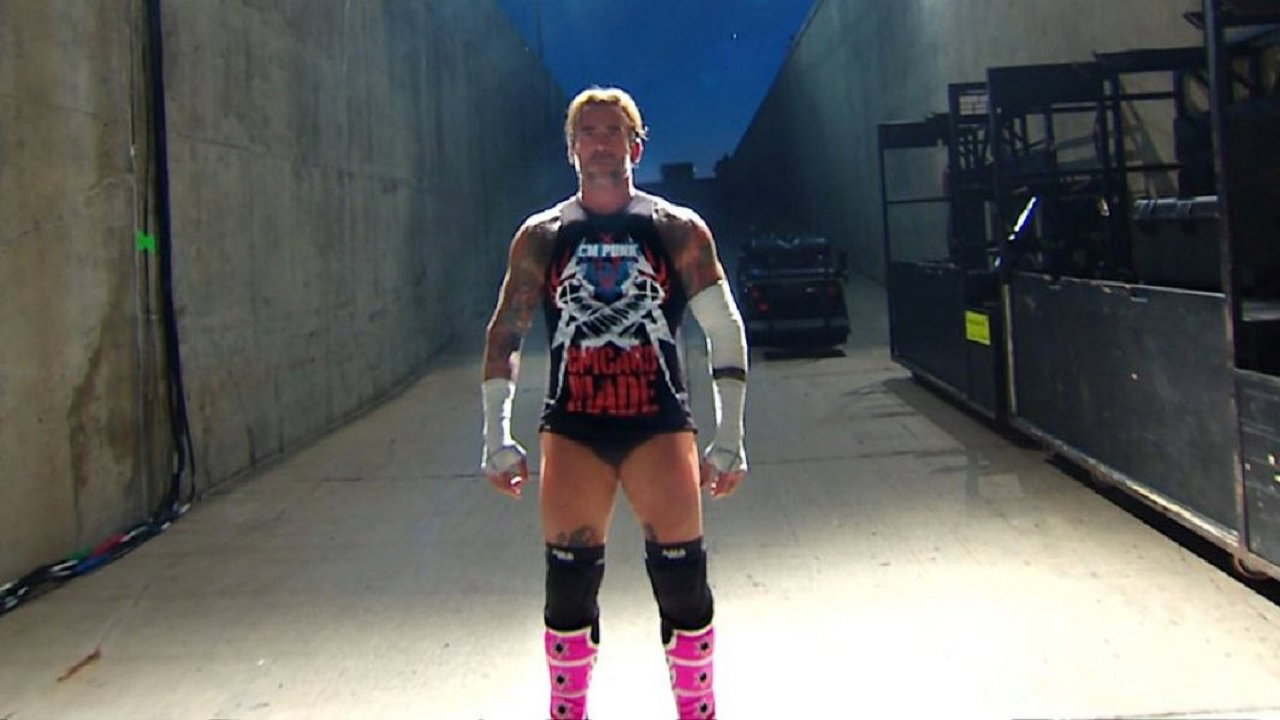
“It seemed like it made sense that it would happen right after we ousted Wade from the group,” Otunga continued. “That would follow, but…we found out there were other plans. On January 3, 2011, CM Punk is here, he ousts Barrett from the group officially, and then starts initiations.”
Instead of stepping into a leadership role, Otunga found himself once again part of a rebranded faction, this time orbiting around Punk’s persona. Internally, he described the pivot as difficult to process. Not only had he been mentally preparing for a different role, but he also felt that Punk was not particularly fond of him at the time.
The creative curveball did not stop there.
As “The New Nexus” took shape on “Raw,” WWE simultaneously introduced The Corre on “SmackDown,” led by Barrett and featuring former Nexus members Heath Slater and Justin Gabriel. From a storytelling perspective, the seeds for a faction war appeared obvious.
Otunga thought so too.
“Now I see things are kind of being set up where there’s the Nexus, or rather we’re the New Nexus, and now they’re building an alternate Nexus in The Corre,” he recalled. “It would seem eventually these two factions are going to meet up, especially cause Wade is leading one, I’m leading the other. Eventually we should culminate in some Survivor Series match or something like that.”
That culmination never came.
“But that never really happened… the creative was never explained to us,” Otunga admitted. “Why Punk was coming in, what the future plans were, if we were going to have any involvement with the Corre or not. It just was ‘You guys are now CM Punk’s new faction.’ Essentially, we were the new Straight Edge Society. But that was it. They really did not give us any direction. And after that, we were just taking it one day at a time.”
For a group that debuted with such explosive momentum, the lack of long-term clarity is striking. Nexus was initially framed as the future of WWE, a generational shift embodied by hungry newcomers. Yet internally, even its members were unsure of the roadmap.
This revelation underscores a broader truth about faction booking in professional wrestling. A strong debut can generate heat and fan investment, but without a defined trajectory, even the hottest acts can stall. When performers are unclear about their own creative direction, it inevitably bleeds into how the story is perceived on screen.
In hindsight, Nexus remains one of WWE’s great “what if” scenarios. Otunga’s account does not rewrite history, but it reframes it. Rather than a simple case of momentum cooling off, it suggests a creative pivot that left even the talent scrambling to understand their place in the narrative.