Is AJ Styles an All-Time Great? Jim Cornette Weighs In on Where “The Phenomenal One” Really Ranks
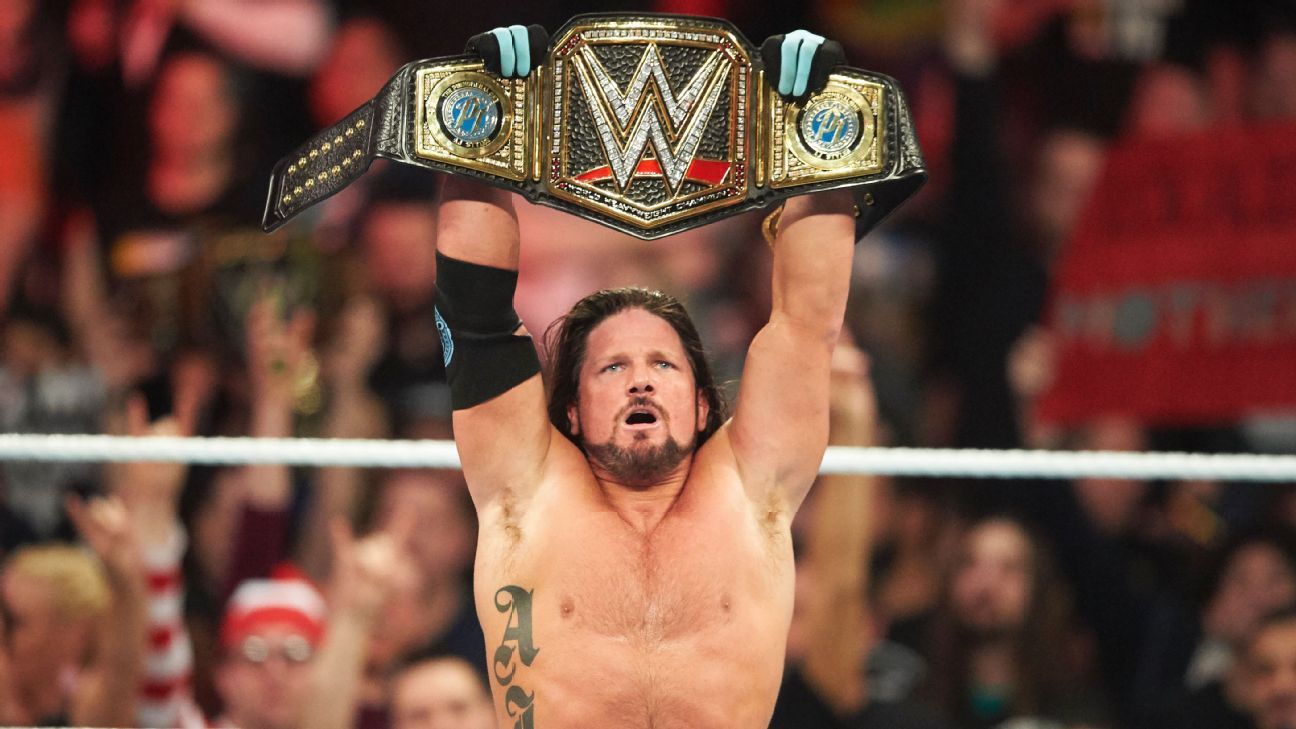
Now that AJ Styles has closed the curtain on his in-ring career following his retirement loss at the Royal Rumble, the inevitable question has resurfaced: where does he rank among the greats?
Is he an all-time legend? A generational talent? Or something in between?
Jim Cornette, never one to hand out praise lightly, offered a layered answer when asked to place Styles in wrestling history. Rather than jump straight to Mount Rushmore territory, Cornette first pushed back on the framing.
“Now you’re gonna have to get me to among the all-time greats of the last 125 years of the business. How can I win?” he quipped, acknowledging how subjective the term “all-time” can be.
When narrowing the scope, however, Cornette’s tone shifted.
He described Styles as a “phenomenal talent” in the truest sense of the word, praising his longevity, conditioning, and technical precision. Even at the tail end of his run, Styles remained crisp and dynamic in the ring. “He’s in great shape still for this, you know, as long as he’s been in the business and he’s technically in the ring, he’s so brilliant.”
Cornette did draw a distinction between Styles’ in-ring brilliance and his promo ability. “I’ve never thought that he was one of the great orators of the history of our business,” he admitted. That caveat, however, did not diminish his standing in the modern era. In fact, Cornette argued that Styles’ athleticism and smaller stature became strengths in a period where work rate and versatility were valued more than traditional size.
For that reason, Cornette placed him firmly among the top workers of his time. “He has definitely been one of the modern greats.” Pressed further, he simplified it even more: “One of the best in-ring workers of his generation.”
The more complicated discussion centered on Styles’ early national exposure in TNA. Cornette suggested that while Styles was immensely talented, the company’s creative inconsistencies and reliance on aging former WWE names limited how quickly he could ascend.
He noted that in the mid-2000s, TNA often prioritized established veterans over homegrown standouts like Styles and Samoa Joe. The X-Division branding also siloed many of the company’s most dynamic performers rather than integrating them into the true main event picture. Cornette believes a more cohesive approach could have accelerated Styles’ rise.
At the same time, he acknowledged that Styles may not have been fully ready to be one of the top ten global superstars in 2006 or 2007. Experience and seasoning were still needed. When he eventually arrived in WWE in 2016, however, he stepped directly into the main event tier and proved he belonged there.
Cornette also addressed Styles’ current look, joking that the grizzled, long-haired version works now but would have seemed absurd two decades ago. It was a reminder of how much time and mileage shape a wrestler’s presence.
The broader takeaway from Cornette’s evaluation is that greatness can be era-specific. Styles may not have been the singular marketing centerpiece in the way John Cena or The Rock were, but he was consistently positioned at a main event level across multiple promotions. That kind of sustained credibility is rare.
As the industry continues to evolve, Styles’ legacy may ultimately serve as a blueprint for the modern worker: technically elite, adaptable across companies, and capable of thriving without being the sole corporate face of a brand. Whether fans slot him into the all-time pantheon or reserve that label for earlier icons, his place among the defining performers of his generation is far less debatable.