Is AJ Styles Really Done? Jeff Jarrett Questions WWE Exit and Hints at Another Run
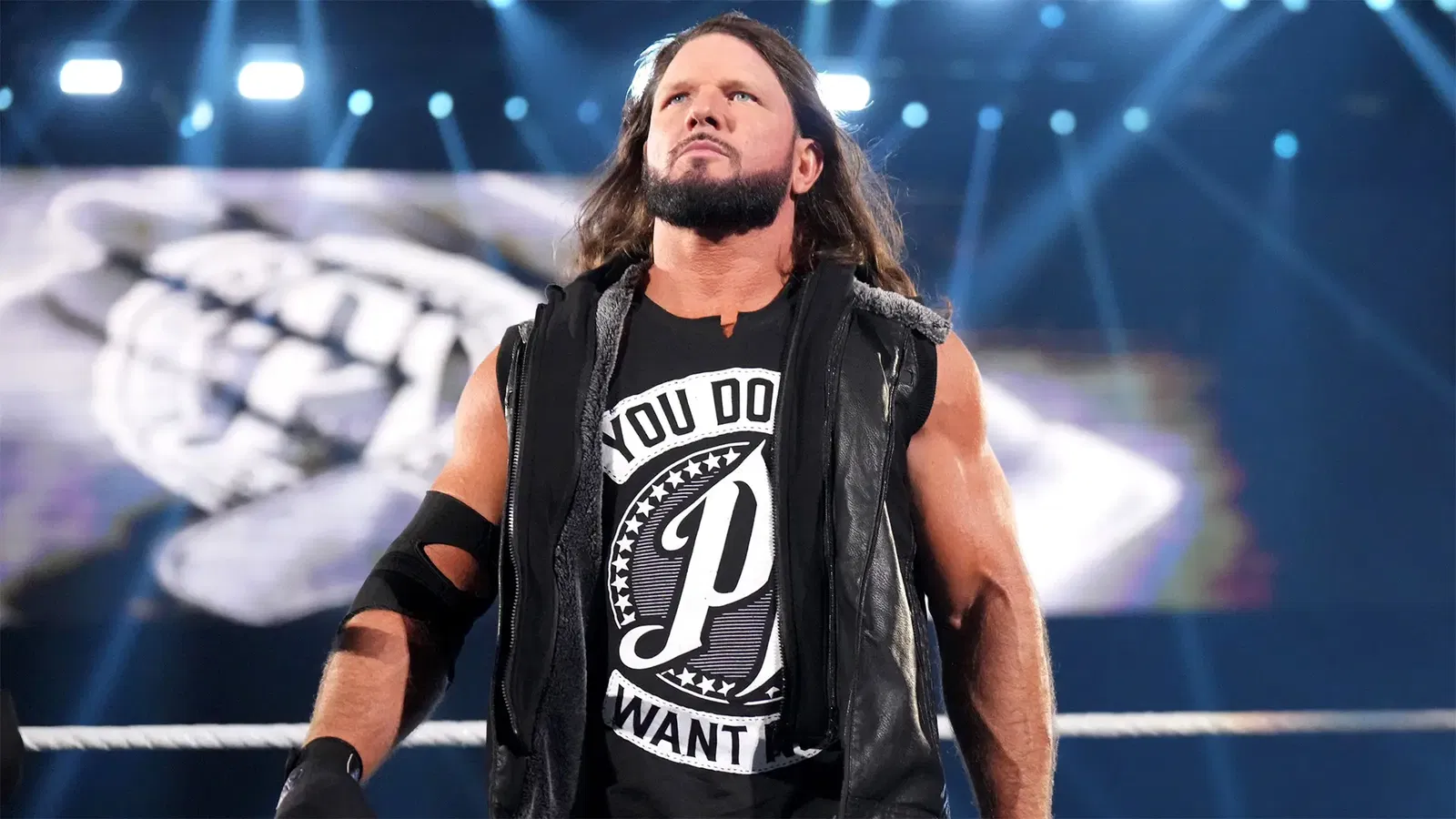
When AJ Styles lost to GUNTHER in a career-threatening match at the Royal Rumble, many fans treated it as the closing chapter of a Hall of Fame résumé. The finish was decisive. The moment felt earned. And WWE presented it like a curtain call for one of the most influential performers of his generation.
But wrestling retirements rarely stay retired.
Rumors have continued to swirl that Styles is not finished with professional wrestling. Some believe he could return to his roots in TNA. Others speculate about a surprise AEW debut. The debate has become less about whether he can still go, and more about whether he wants to.
Jeff Jarrett does not think the story is over.
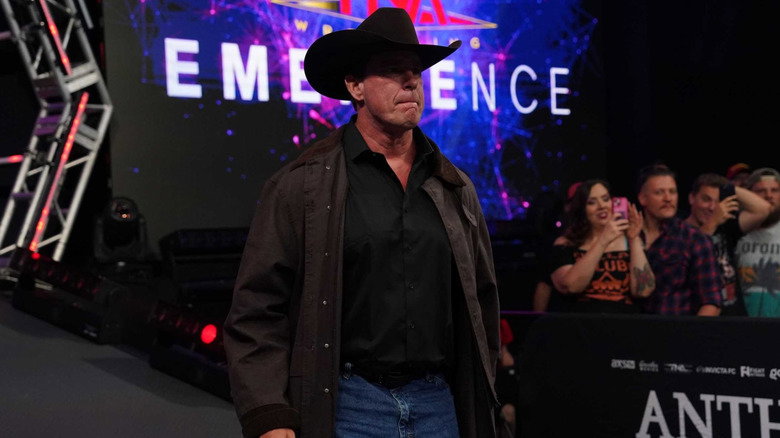
On My World, Jarrett pushed back against the idea that the Royal Rumble marked a permanent farewell. “We have not seen the last of AJ Styles in the ring, and look, it may be a year, it may be two years,” Jarrett explained, signaling patience rather than urgency. He pointed to the execution of the loss to GUNTHER as proof that the match was designed to elevate the champion without damaging Styles’ aura. “I thought the finish to the match was done really well and both guys got over.”
Jarrett went even further, arguing that GUNTHER gained more character equity from defeating Styles than he would have from other high-profile veterans. “I think out of Goldberg, [John] Cena, and AJ, out of those three, I thought GUNTHER built more equity in the GUNTHER character by beating AJ than the others by far.” That framing matters. If the loss was meant to cement GUNTHER rather than close the book on Styles, then the retirement stipulation begins to feel less like an ending and more like strategic booking.
Still, Jarrett’s most intriguing comments had little to do with ring psychology and more to do with corporate structure. He suggested that Styles’ departure may be tied to how TKO Group Holdings manages talent contracts. “My gut tells me that AJ is out of that circle because of TKO’s bottom line,” Jarrett stated. “It just feels like TKO and him have parted ways, and I’m saying that based solely off of the history you’ve told me about TKO that they just kind of farm guys out.”
That perspective reframes the situation from creative decision to financial calculus. Styles, now 48, remains a proven draw with global name recognition. But in a publicly traded environment where efficiency and margins matter, veteran contracts are often scrutinized differently than emerging talent.
For now, Styles himself has not signaled a rush back to the squared circle. Those close to him suggest he is content stepping away from the grind. The one caveat that has surfaced is personal rather than professional. Styles has indicated he would consider wrestling again if the opportunity arose to share the ring with his son.
In the broader wrestling landscape, this situation highlights the evolving nature of retirement angles. They are no longer guaranteed finales. They are narrative devices that can serve business strategy, talent leverage, and long-term storytelling. Fans have grown savvy enough to treat retirement matches as conditional, especially in an era where cross-promotional movement is common.
Whether Styles laces up the boots again or not, the conversation underscores how modern wrestling careers are shaped as much by corporate philosophy as by creative direction. If another chapter does materialize, it will not simply be nostalgia. It will be a reflection of how today’s industry balances legacy, economics, and the enduring power of a name like AJ Styles.