Jim Cornette Reveals the Part of Randy Savage’s WWE Exit Fans Rarely Think About — And It’s NOT Sleeping With Stephanie McMahon
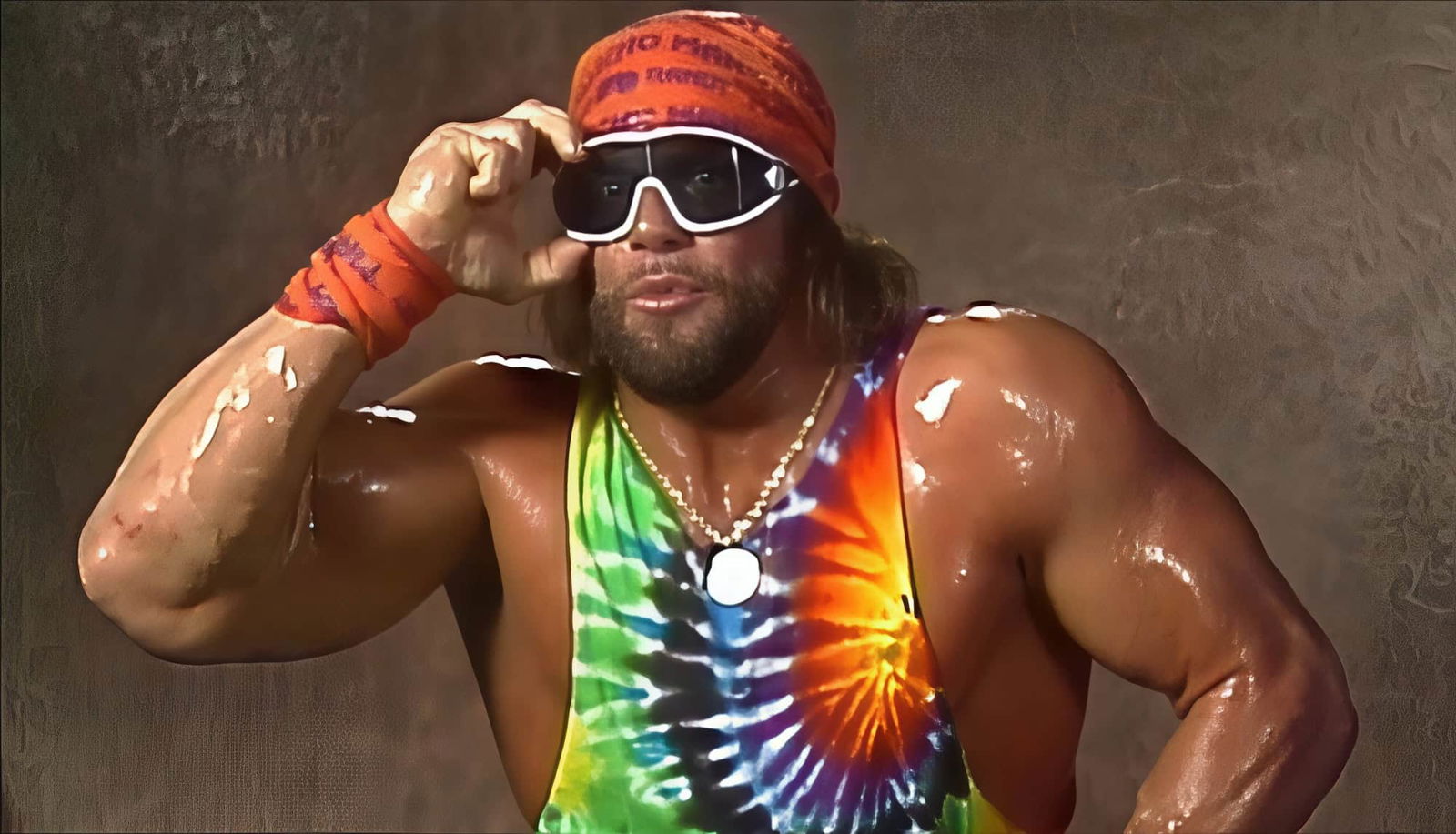
Few departures in WWE history still spark arguments like Randy Savage leaving the company in 1994. For decades, fans have framed it as a clear mistake. A legendary performer still capable of main events was pushed aside, walked away, and immediately proved his value elsewhere. That version of events has become accepted wisdom, especially in hindsight.
Jim Cornette does not fully agree with that framing, and his explanation complicates the narrative in a way that cuts against the easy blame fans often place on Vince McMahon.
Cornette’s view centers less on Savage’s ability and more on timing, philosophy, and how rigid WWE’s creative direction had become by the mid-1990s. From his perspective, McMahon was not ignoring Savage’s talent so much as committing early to a generational shift and refusing to bend once that decision was made.
“I don’t know if ‘dropping the ball’ is the correct phrase,” Cornette offered while revisiting the situation. “Vince had a vision, and when Vince does something, he digs in and goes all the way.”
That vision, according to Cornette, was a youth movement that left little room for veterans in top spots, even ones as proven as Savage. The plan was not to remove Savage entirely, but to redefine him.
“He wanted Savage to be more of the Babe Ruth type. The goodwill ambassador. Legendary superstar, do commentary, whatever,” Cornette explained. “But he wasn’t going to put him in main events anymore.”
The problem, Cornette argued, was not that Savage could no longer perform. It was that WWE had decided it no longer wanted him to.
“Savage had shown he had another three or four years at least before he really had issues,” Cornette said. “I definitely think it was too soon.”
Savage’s decision to leave rather than accept that reduced role created ripple effects WWE was not prepared for, particularly behind the scenes. Cornette recalled that the departure caught McMahon off guard in ways fans rarely consider.
“I don’t think Vince thought he would ever go,” Cornette noted. “He was affected by it. They didn’t even have somebody planned to replace him on commentary.”
Cornette also addressed one of the most persistent rumors attached to Savage’s WWE exit, dismissing the idea that personal scandal was the root cause. Instead, he pointed to something far more damaging from a business standpoint.
“I don’t think the heat was because of him sleeping with Stephanie,” Cornette said flatly. “I think the heat was him taking Slim Jim.”
At a time when WWE was financially vulnerable, losing a major sponsorship mattered more than any locker room drama.
“That Slim Jim thing was quite a bit of money at a time when they really needed it,” Cornette emphasized.
In Cornette’s telling, Savage’s exit was not a single bad decision but a collision between pride, long-term planning, and a star who refused to fade quietly.
“Vince tried to retire Randy probably two or three years too soon,” he said. “Whatever caused Randy to be banished forever wasn’t in effect the night he first left, or Vince wouldn’t have given that heartfelt speech.”
Situations like this continue to shape how wrestling fans evaluate booking decisions, especially when age, legacy, and star power intersect. Savage’s case highlights how creative philosophy can outweigh in-ring performance, even when the performer has already proven their value.
It also reflects a broader trend in wrestling history where long-term vision sometimes overrides short-term logic, for better or worse. Whether fans see that as discipline or stubbornness often depends on how the story eventually ends, not how it began.
If you use any quotes from this article, please credit WrestlingHeadlines.com and The Jim Cornette Experience