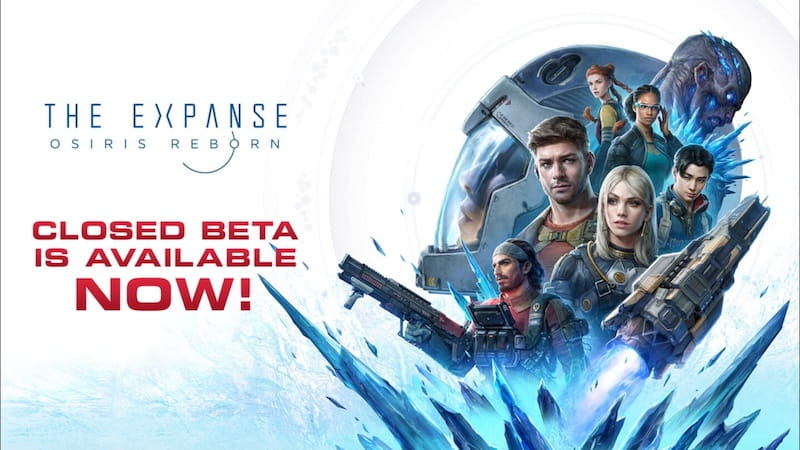
Play-to-Earn and Beyond: How Blockchain Is Redefining Gamer Rewards
Explore broader trends in blockchain-powered gaming ecosystems at Oncasitown‘s crypto gaming insights:
From Play-to-Earn to Player-Owned Economies`
Play-to-Earn (P2E) first gained attention through mobile and browser-based games, where players could earn tokens or NFTs by completing tasks or competing with others. While early implementations were often simplistic, they introduced a powerful idea: in-game time and skill could translate into real, transferable value.
Today, this concept is evolving beyond niche platforms. Blockchain technology is beginning to influence how rewards, achievements, and digital items are perceived across the broader gaming landscape, including ecosystems traditionally dominated by major consoles and publishers.
Why Ownership Matters More Than Ever
In traditional gaming models, players may spend hundreds of hours unlocking items, skins, or achievements—yet they never truly own them. These assets remain locked within centralized servers, subject to terms of service, game shutdowns, or account bans.
Blockchain introduces a different paradigm. By enabling decentralized ownership, digital items can exist independently of a single game publisher. Players gain verifiable control over assets, whether those assets represent cosmetic items, progression milestones, or unique collectibles.
This shift reframes rewards not just as entertainment incentives, but as persistent digital property.
Token-Based Rewards and Interoperability
One of blockchain’s most transformative contributions to gaming is tokenization. Rather than isolated reward systems tied to a single title, token-based models allow value to move across platforms and communities.
In theory, a player’s achievements could contribute to broader ecosystems—rewarding participation, creativity, or competitive performance in ways that extend beyond one game. This interoperability encourages longer engagement cycles and deeper community identity.
While large console platforms remain cautious, the underlying infrastructure is already influencing how developers think about progression, loyalty, and player retention.
Major Platforms and the Gradual Shift
Platforms like PlayStation have historically relied on tightly controlled ecosystems to ensure quality and security. However, as blockchain tooling matures, the conversation is shifting from “whether” to “how” decentralized elements could coexist with curated environments.
Rather than full-scale Play-to-Earn economies, we may see hybrid models: optional blockchain-based rewards, transferable collectibles, or cross-game identity layers that complement traditional gameplay rather than replacing it.
This gradual integration aligns with how mainstream gaming audiences adopt new technologies—incrementally, and only when they enhance the experience.
Global Communities and Borderless Value
Another key advantage of blockchain-based rewards is their global nature. Traditional reward systems are often limited by regional restrictions, payment infrastructure, or platform-specific rules.
Blockchain removes many of these barriers. Players from different countries can participate in the same economies, trade assets freely, and contribute to shared communities without relying on centralized intermediaries.
For competitive gamers and content creators, this opens new paths to recognition and monetization that are not tied to a single publisher or region.
Challenges and Realistic Expectations

Despite its potential, blockchain gaming is not without obstacles. Scalability, regulatory uncertainty, and player skepticism remain significant hurdles. Many gamers are wary of systems that feel overly financialized or detached from fun.
The future of gamer rewards will depend on balance. Blockchain should enhance player agency and transparency—not turn games into speculative marketplaces. Successful implementations will prioritize gameplay first, with decentralized rewards as a supporting layer rather than the core mechanic.
Beyond Play-to-Earn: A New Reward Mindset
The real impact of blockchain on gaming may not be Play-to-Earn itself, but the broader shift in how value is defined. Time, skill, creativity, and community participation are increasingly seen as assets rather than sunk costs.
As gaming continues to evolve into a cultural and economic platform, blockchain offers tools to recognize and preserve that value in ways traditional systems could not.
The next generation of gamer rewards is less about earning tokens—and more about redefining what it means to truly own your gaming experience.