Review: Dynasty Warriors: Origins (Switch 2)
Soon after the release of the Switch 2, I mentioned on the Pure Nintendo Podcast that I was greatly looking forward to playing a native Warriors game on the new hardware. We got that with Hyrule Warriors: Age of Imprisonment, but that will not have prepared you for Dynasty Warriors: Origins.
Dynasty Warriors 8 and 9 were both released for Nintendo Switch, but as a reinvention of the series, Origins is a different beast. It’s especially important to understand that if you are sliding over from Age of Imprisonment. There, the fun was battling your way through Hyrule and enjoying the various nods and tie-ins with Tears of the Kingdom. In Dynasty Warriors: Origins, you’re battling your way through the first half of Luo Guanzhong’s 14th century novel, The Romance of the Three Kingdoms. It’s a beautiful but brutal landscape filled with warriors that take the 1 vs. 1,000 musou battles much more seriously than your average bobokin grunt.
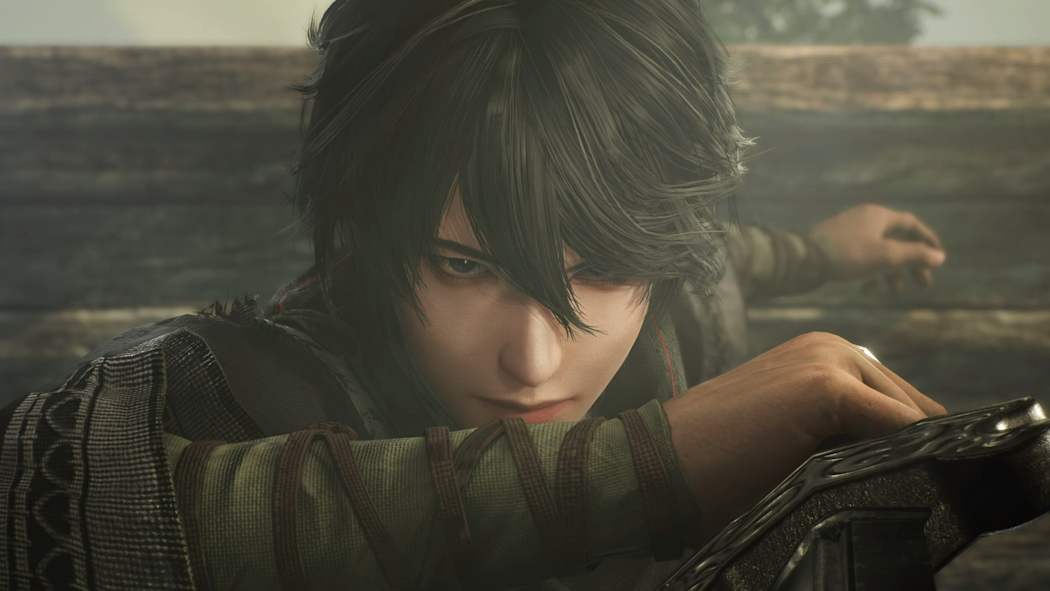
You play the game as a nameless hero weaving his way through the historic narrative. In that regard, Nintendo fans may find this game closer to Samurai Warriors: Chronicles on the 3DS than to other Warriors games they may have played. It’s a fine way to push the player through many diverse battles and landscapes, but the narrative definitely takes a back seat to the action. You don’t get many customization options for this hero, but that’s fine; there’s more than enough to upgrade and alter as you progress through the game’s five chapters (and multiple endings, so expect to relive this adventure a few times).
The narrative plays out through the main battles, but you’ll also want (and need) to play through missions and skirmishes to push things along and, more importantly, acquire the skills you’ll need to be effective. Your hero can learn to use multiple weapons, and he can only learn by doing. You will likely end up with a favorite weapon and style, but it’s best to master them all so you’re prepared to face certain enemies.
Anyone who’s played a Warriors game knows the basics. The bulk of your attacks come from simple chains of Y and X attacks, but those alone won’t power you through. You can alter them by jumping. You can save up for powerful musou attacks and arts. More important, though, is the ability to dodge and block attacks from enemy officers. Time it right, and you can parry the attack, too. This is key, and it felt like it was much more important here than in the numerous Samurai Warriors and Nintendo franchise tie-ins I’ve played. In other words, Dynasty Warriors: Origins takes the combat much more seriously.
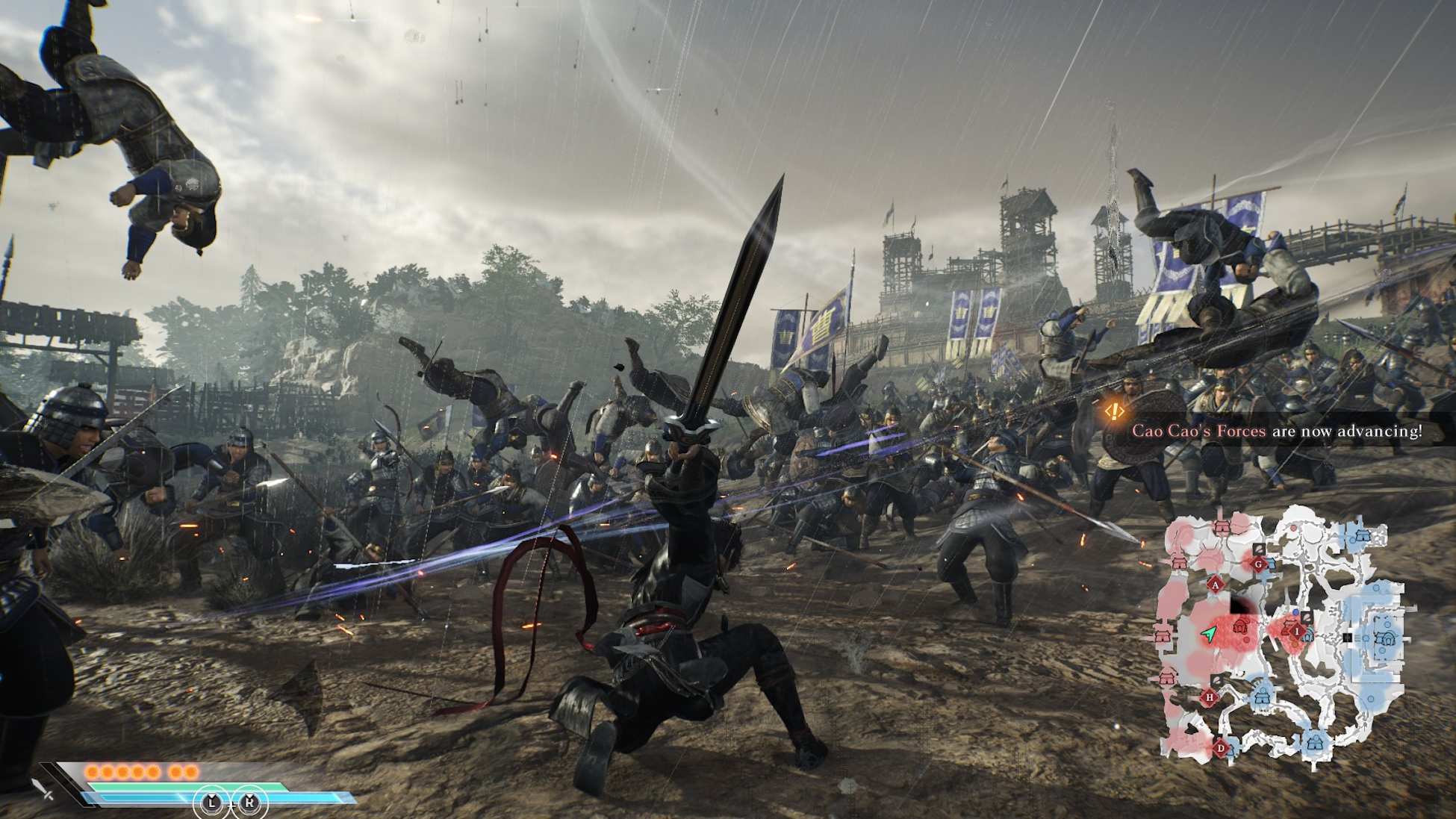
But that also makes it much more thrilling. As much as I love the craziness of wiping out dozens of soldiers with one slash, it does start to wear off. The games countered that by requiring plenty of strategy and proper timing in the main battles. Maps are complicated, and proper use of your warrior and his companions was key to victory (often requiring multiple attempts to reap all of the rewards). That’s still important, but working your way through these maps is tougher on every step here. The nameless hordes are a bit more motivated this time around. I was often attacked from behind while timing a perfect block, thwarting my attempt. You really need to manage the battlefield effectively instead of just charging in spears blazing.
Compounding this is the sheer number of enemies you’ll face. With the Switch 2 hardware, I feel like I’m finally playing these games the way the developers intended.
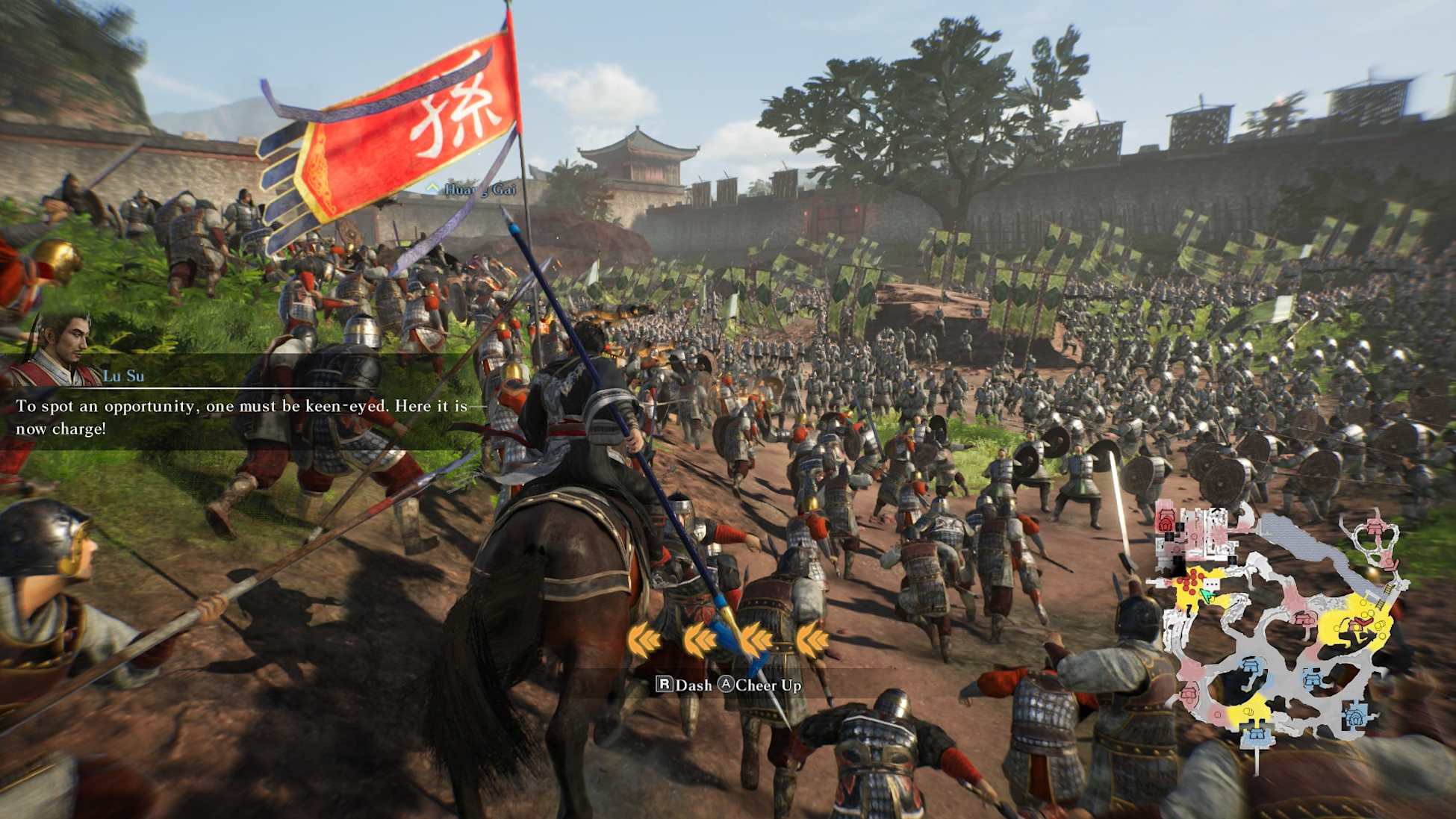
Speaking of hardware, you have the option of using a variable framerate or locking the action at 30fps. I chose the latter, and never experienced a hiccup in performance. It’s very impressive, considering everything going on around you…and that you’re given the option to leave the bodies of fallen soldiers (well, some of them, anyway) on the battlefield.
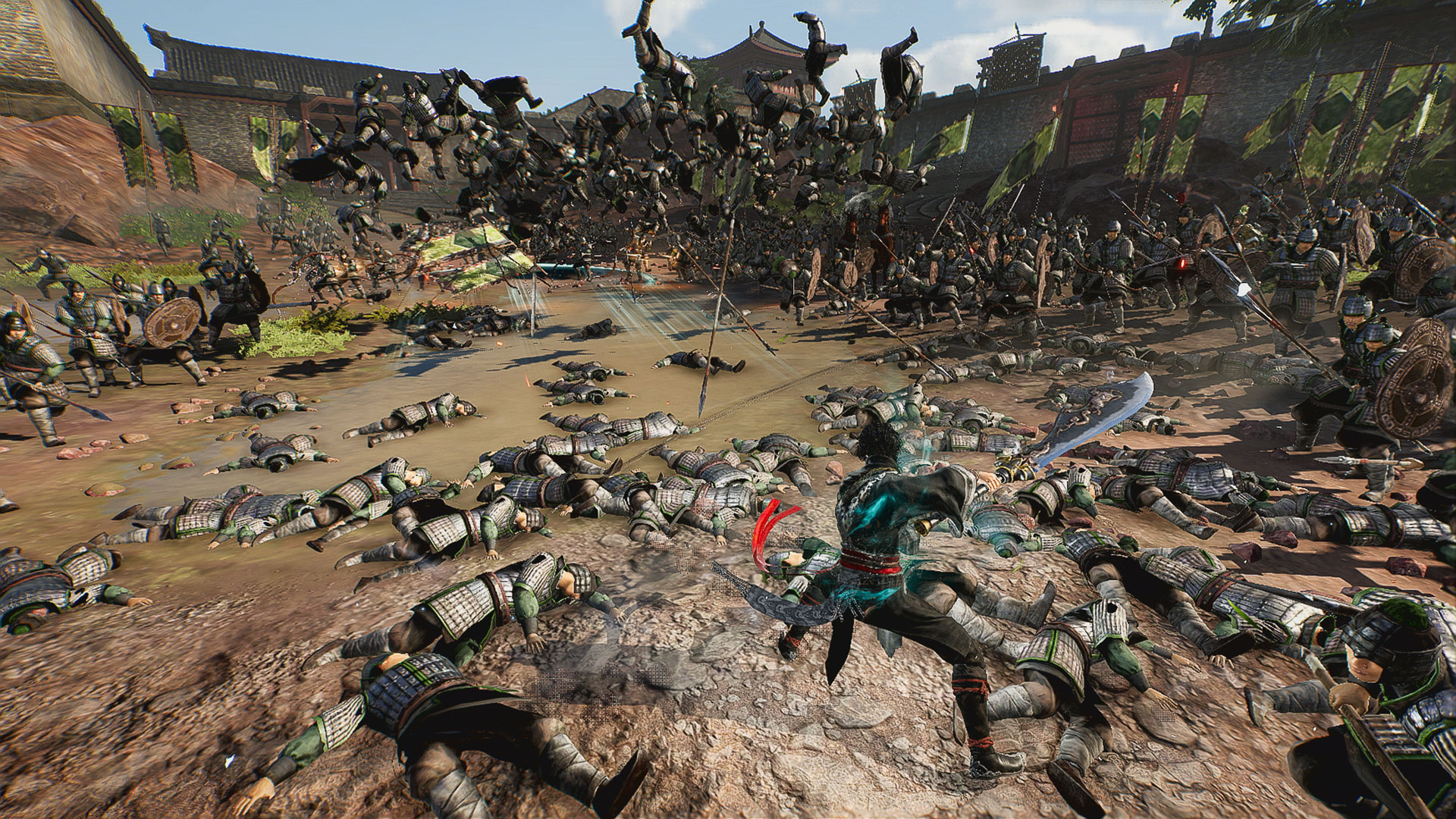
All of this combines to make Dynasty Warriors: Origins’ gameplay the most exhilarating I’ve experienced in the series. And yet, it’s not my favorite Warriors game. This is mainly due to the complexities of managing your character’s abilities and the overwhelming number of battlefield options.
There are ranks to achieve and skills/proficiencies to manage. These lead to new battle arts you can discover (although some can be found simply by going to town). There are gems that upgrade your weapons and accessories that upgrade you. There’s an overworld map to explore with items to find and people to meet. There are bonds to grow between battles. On the battlefield, you can now launch ambushes. There’s bravery to build and morale to manage. It’s a lot to wrap your head around in a genre that many still erroneously think is about mindless button mashing.
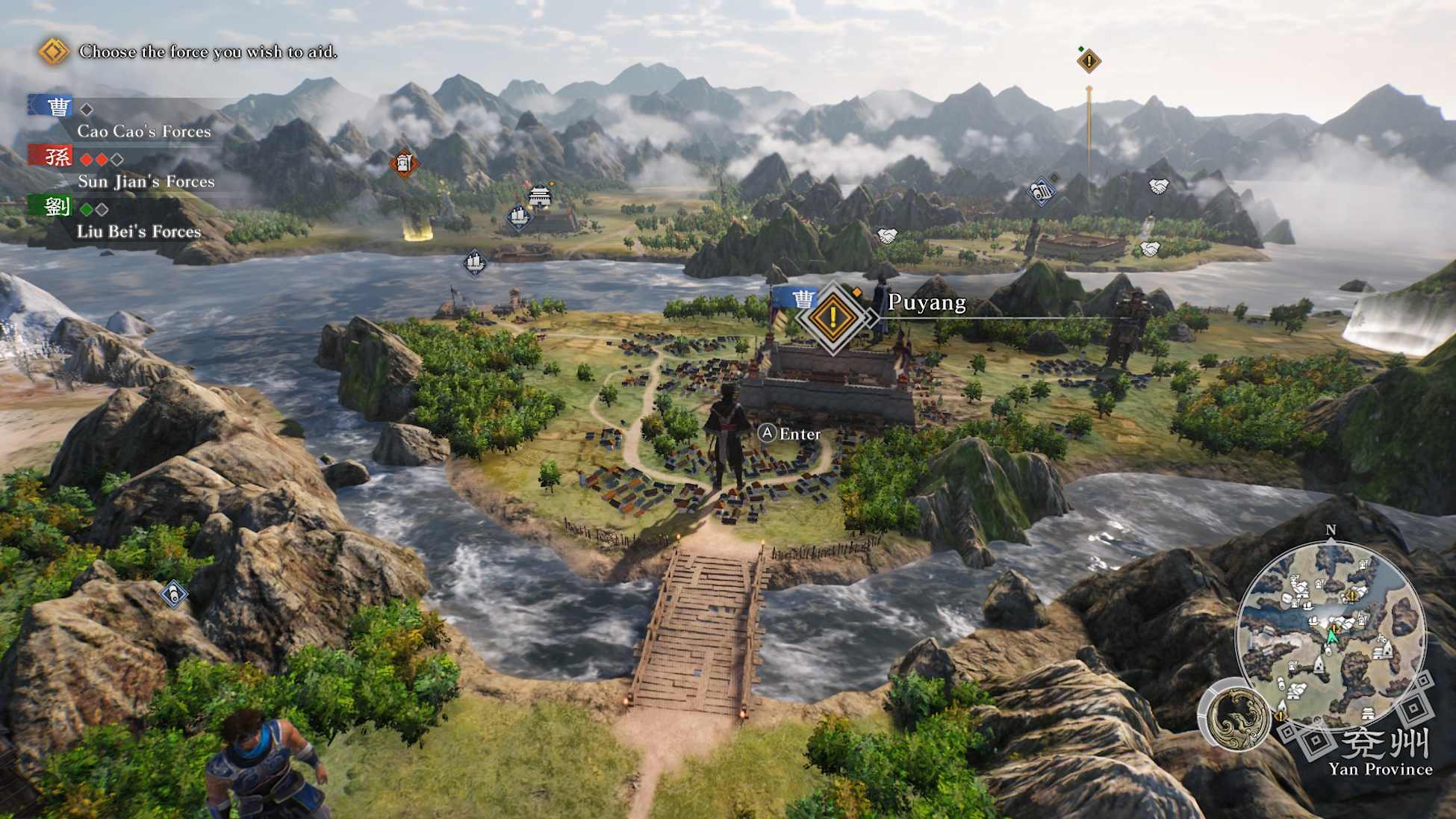
Naturally, this made Dynasty Warriors: Origins more rewarding as I progressed. Losing battles before even reaching the boss was disheartening. It sure felt great when I could return and earn my rewards with efficiency, but the amount of work and tinkering required to get there does take away some of the thrill.
It also doesn’t help that the story never becomes terribly engaging. I just couldn’t work up any real interest in my character or his role in this tale, and instead drew most interest from the main battles and from unlocking new characters. There are only ten, though, one of whom you can’t access until beating the game.
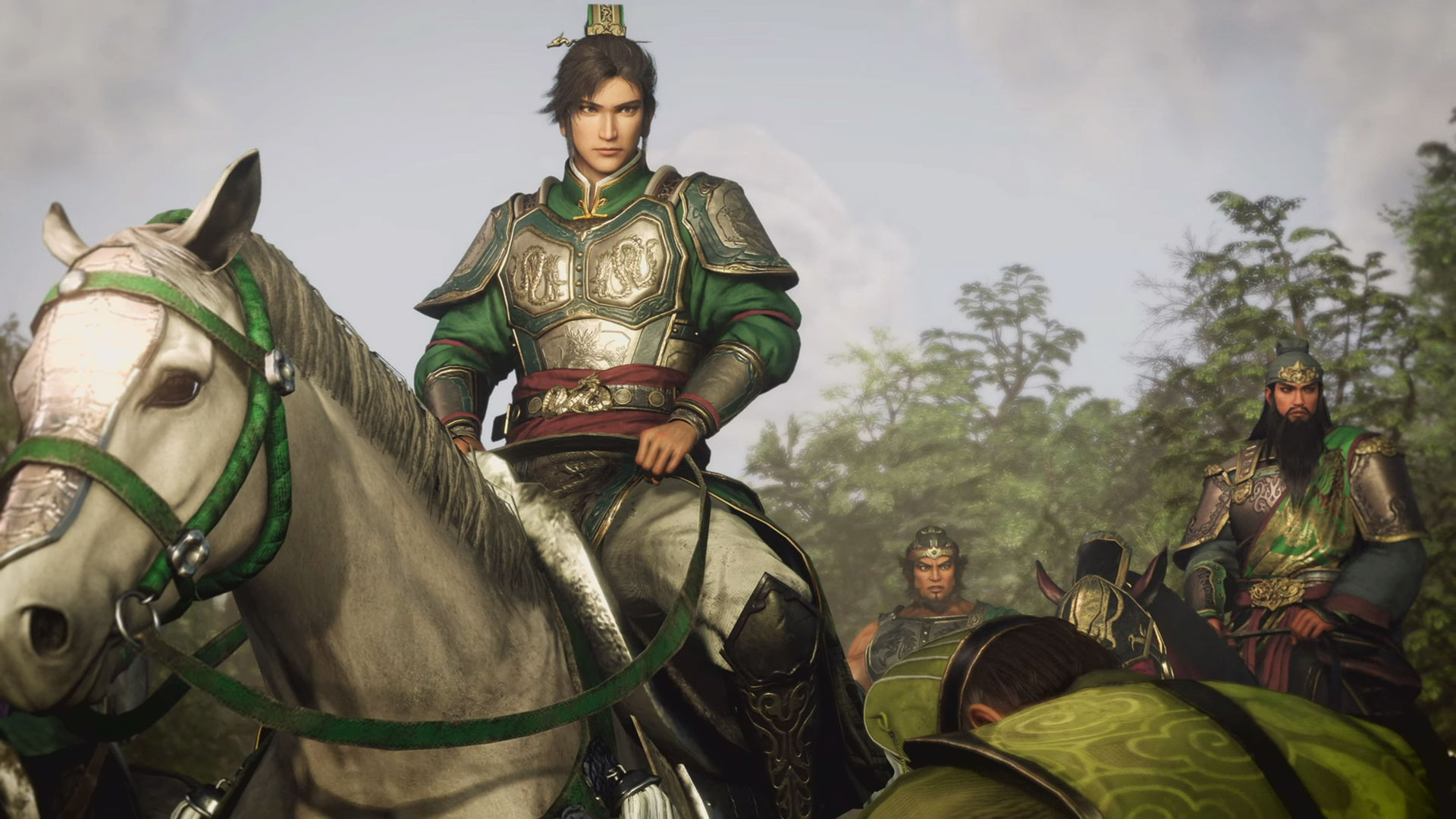
So, Dynasty Warriors: Origins is a game that’s easy to recommend, but you should ask yourself why you want to play it, first. If you love complex and rewarding combat, have at it; you’ll be playing this for a long time to come. Fans of the Warriors Samurai, Hyrule, or Fire Emblem, however, may find this to be a bit more than they bargained for.