Evolution Of Slots: From Classic One-Armed Bandits To Arcade-Style Games
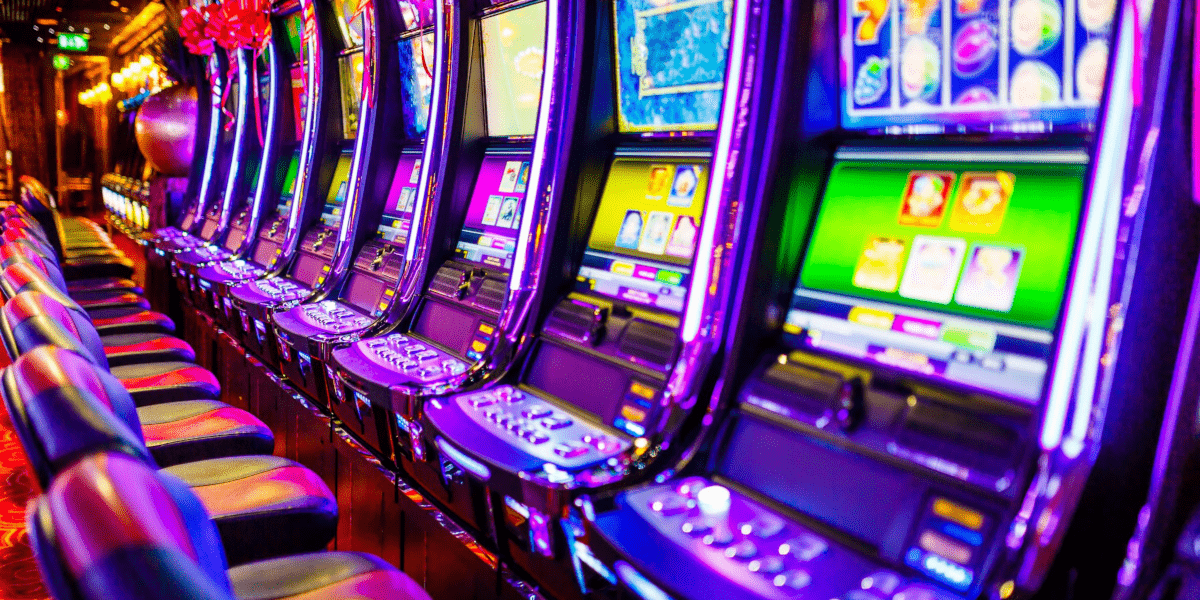
Slot games have changed far beyond their early mechanical form. A player who opens a modern library at The Clubhouse Casino can move from a simple three-reel machine to a game with shifting symbols, bonus maps, progress meters, and long feature chains in just a few clicks.
For readers who already know paylines, wilds, scatters, and free spins, the real point is not that slots became more colorful. The real story is that their core design changed. Old games were built around short, clear rounds. New ones often borrow ideas from arcade play, where motion, timing, progress, and layered rewards keep the session moving forward.
That change did not happen all at once. It came in steps, with each step adding a new reason for players to stay longer, pay more attention, and think about a slot as more than a spinning set of reels.
Where It All Started
The first slot machines were direct and easy to read. You pulled a lever, watched the reels stop, and checked whether the symbols lined up. The appeal came from that clean loop: one action, one result, no side systems to track.
These early machines did not ask the player to learn much. You could understand the whole game in seconds. That made them friendly to casual play and easy to trust. There were no long bonus paths, no side meters, and no need to remember what happened three spins ago.
The limited structure also gave classic slots a special rhythm. Each round felt self-contained. You were not building toward a second phase or waiting for a map to open. You simply spun, checked the result, and moved on.
Why Classic Slots Still Matter
- They are easy to read, which helps players judge pace, symbol value, and hit frequency without extra layers.
- They suit short sessions, since each spin stands on its own and does not depend on a progress bar or collection feature.
- They keep the visual field clean, so the result of every round is clear at a glance.
- They remain useful as a reference point when players want to compare old-school reel logic with modern game systems.
The Move To Video Slots
Once screens replaced much of the old mechanical feel, slot design opened up. Developers were no longer tied to a narrow physical frame. Reels could expand, symbols could animate, and whole bonus scenes could appear between spins.
This was the stage where slots started to feel less like machines and more like digital entertainment. Themes became stronger. Audio mattered more. Special symbols did more than just substitute or trigger free spins. They could collect items, unlock rows, split into smaller icons, or send the player into a separate mode.
The shift also changed how players judged a game. A slot was no longer picked only for its basic reel set. People began to care about the feature flow. They wanted to know whether the game had a smooth start, whether the bonus felt worth the wait, and whether the session built toward something larger than a single hit.
What Video Slots Added To The Formula
- More reel formats, such as expanded grids, extra rows, and changing ways to win during the same session.
- More active bonus design, including symbol collection, pick sequences, unlock stages, and chain reactions after a win.
- Stronger audiovisual identity, with music, scene changes, and character motion giving each title its own mood.
- Longer session arcs, where part of the appeal comes from building toward a feature instead of only watching single-spin results.
When Slots Started To Feel Like Arcade Games
The next big step was not just visual. It was structural. Some slot games began to borrow ideas that players already knew from arcade and mobile titles. Instead of giving all the tension to the reel stop, they spread that tension across a series of small events.
A spin could trigger a cascade. The cascade could fill a meter. The meter could unlock a new state. That state could change symbol behavior, add another layer of rewards, or move the player into a fresh board. At that point, the game was no longer only about waiting for one line hit. It was about progress.
This is where many modern slots separate themselves from older forms. A classic machine gives you a result. An arcade-style slot often gives you a path. That path can be short or long, simple or dense, calm or flashy. The player still relies on chance, though the game feels more like a sequence than a single moment.
How Reel Logic Became More Playful
Traditional paylines trained players to read left to right. Newer designs made that reading pattern less strict. Wins could come from clusters, all-ways systems, falling symbols, linked reels, or board states that changed after each success.
That new logic gave designers room to create a stronger sense of motion. Instead of stopping after one win, the game could keep moving. Symbols could vanish, new ones could drop, and the board could feel alive for several beats in a row. This is one reason many players say modern slots feel closer to arcade games than to the old machines found in earlier casino floors.
The effect on pacing is huge. In a classic title, suspense lives before the stop. In a modern arcade-style slot, suspense can continue after the stop, because the first result may only be the start of a chain.
A Clear Example Of The Arcade Shift
Finn and the Swirly Spin is a useful example of this newer style. Its play pattern feels less like a static reel set and more like a board with movement and purpose. The spiral format changes how the eye follows the action, which makes every spin feel more active than a standard straight-line layout.

What makes this kind of game stand out is not only its look. It is the feeling of travel across the board. Players are not just waiting for three matching symbols to sit in a row. They are watching the playfield react, open, and build. That is a very different emotional loop from the old one-armed bandit model.
What This Means For Today’s Player
For a modern player, the choice between classic and arcade-style slots is really a choice of session style. If you want clarity, fast reading, and simple spin-to-result action, classic formats still do that well. If you want more motion, more layered features, and a stronger sense of build-up, newer games offer a fuller ride.
This also changes how people should judge a slot before they start. Looking only at theme is not enough. A better question is: what kind of attention does this game ask from me? Some titles are light and direct. Others want you to track stages, symbol behavior, and feature paths over time.
That is why the history of slots matters. It helps players read the present. Once you see how the format moved from lever-based simplicity to arcade-like flow, modern game design becomes easier to understand. The reels are still there, yet the experience around them has grown into something much closer to an interactive game loop than a single pull-and-stop machine.