Video Games in the Arab World: Communities, Competition, and a Fast-Growing Industry
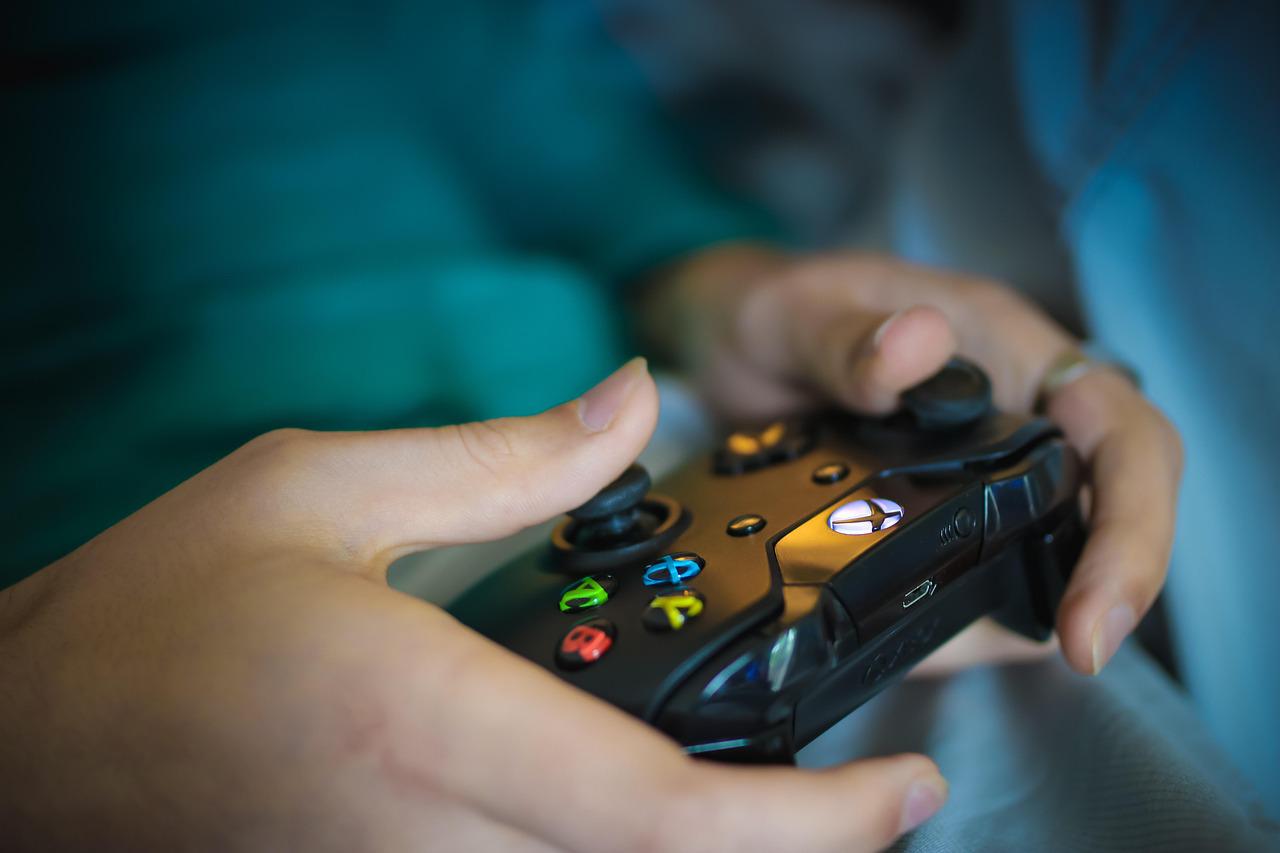
Video games have become one of the most influential forms of entertainment worldwide. What was once considered a niche hobby is now a mainstream cultural and economic force, shaping how people spend leisure time, socialize online, and even build careers. Across the Arab world, gaming has expanded rapidly over the last decade, supported by faster internet, a young population, and an increasingly connected digital ecosystem.
Today, the region’s gaming landscape includes everything from casual mobile titles to high-level esports competitions, as well as a growing number of Arabic-speaking creators and local game studios. While gaming culture differs between countries, the overall trend is consistent: video games are no longer “just for kids,” and they are becoming a permanent part of modern entertainment.
Why Gaming Has Expanded So Quickly
One of the biggest reasons gaming has grown in Arab markets is accessibility. Mobile gaming, in particular, has lowered the barrier to entry. A person doesn’t need a console or a high-end PC to enjoy popular games; a smartphone is enough. This has helped gaming reach a broad audience that includes students, working adults, and casual players who may only play in short sessions.
At the same time, console and PC gaming communities have also grown. The popularity of competitive titles, online multiplayer features, and constant updates keeps players engaged long-term. Gaming has become a shared experience—something people talk about, watch, and participate in with friends, rather than a solitary activity.
Another important factor is language and content. Arabic gaming content on YouTube, Twitch-style platforms, and social media has become a major driver of adoption. When people can watch a streamer explain a game in Arabic, review it, or play it live with commentary, it becomes easier for new players to join in.
The Social Side of Gaming
Modern gaming is deeply social. Players form teams, join clans, coordinate strategies, and build friendships. Multiplayer games provide structured interaction, where people can compete and cooperate in ways that feel meaningful. For many players, the community becomes as important as the game itself.
This is especially true in games that reward teamwork and communication. Even casual titles now include friend lists, ranking systems, and group modes. In the Arab world, this has contributed to a sense of shared culture, where gaming communities develop their own slang, humor, and online identities.
Gaming also overlaps heavily with other internet culture. People share clips, memes, and highlights on social platforms. In some cases, gaming becomes a gateway to content creation: a player starts recording gameplay, builds an audience, and eventually turns it into a side income or full-time career.
Esports and Competitive Growth
Esports has played a key role in making gaming more visible and legitimate. Competitive gaming is now a structured ecosystem with tournaments, sponsors, commentators, coaches, and production teams. For players, esports offers something that traditional gaming didn’t: the possibility of recognition and professional advancement.
The Arab world has seen increasing investment in esports infrastructure and events. Competitive titles such as FIFA, Rocket League, Valorant, League of Legends, Dota 2, and Counter-Strike have established strong regional followings. Even spectators who don’t play these games seriously often enjoy watching tournaments, just as they would follow traditional sports.
As esports grows, it also creates jobs. Beyond the players themselves, the industry needs organizers, analysts, graphic designers, social media managers, and broadcast talent. This helps gaming move from being a hobby to being an industry with long-term career potential.
Arabic Localization: Still Improving
Localization is another major driver of gaming growth. Arabic language support has improved, especially in major franchises. But localization is more than translation. It includes menu design, subtitles, voice acting, and cultural adaptation. When localization is done well, the game feels natural, not awkward or foreign.
Many players now actively look for Arabic menus and subtitles, particularly in story-driven games. Better localization expands the market, improves player retention, and signals that publishers are taking Arabic-speaking audiences seriously.
Local Game Development in the Region
One of the most interesting developments is the rise of local studios. Across the Arab world, more developers are producing games that reflect regional themes, humor, environments, and storytelling styles. These games don’t always need to be large AAA productions to succeed; many start as mobile or indie PC titles and grow through community support.
Local development matters because it changes the region’s role in the global gaming ecosystem. Instead of only consuming imported games, the region begins producing its own creative output. Over time, this builds technical talent, strengthens the job market, and creates opportunities for regional publishing and investment.
Gaming and Other Online Entertainment
Gaming also sits within a broader entertainment landscape that includes streaming services, social media, and interactive platforms. Many players move between different types of entertainment depending on mood. Some evenings might be spent playing ranked matches, while other nights are for watching streams or browsing online communities.
In this wider space, people also explore other digital pastimes, including casino-style gaming platforms. For readers interested in that niche specifically, one resource that covers the topic is arab online casinos.
Responsible Play and Balance
As gaming becomes more popular, discussions about healthy habits become more important. Games can be beneficial: they provide stress relief, social connection, and skill development. But like any entertainment, gaming can become unhealthy when it crowds out sleep, work, study, or real-life relationships.
The most realistic approach is moderation. Players can set time limits, take breaks, and avoid letting competitive frustration dominate their mood. Parents can also support healthier gaming by focusing on boundaries and communication rather than blanket bans.
For broader research and guidance about the gaming industry, the Entertainment Software Association provides useful resources and data here: https://www.theesa.com/
Conclusion
Video games in the Arab world are growing into a mature ecosystem. Mobile gaming continues to expand access, esports is creating new opportunities, Arabic content creators are shaping community culture, and local studios are beginning to contribute original games.
The next few years will likely bring even more momentum. As infrastructure improves and regional investment increases, gaming will continue to evolve—not just as entertainment, but as a cultural space and an industry with real economic weight.