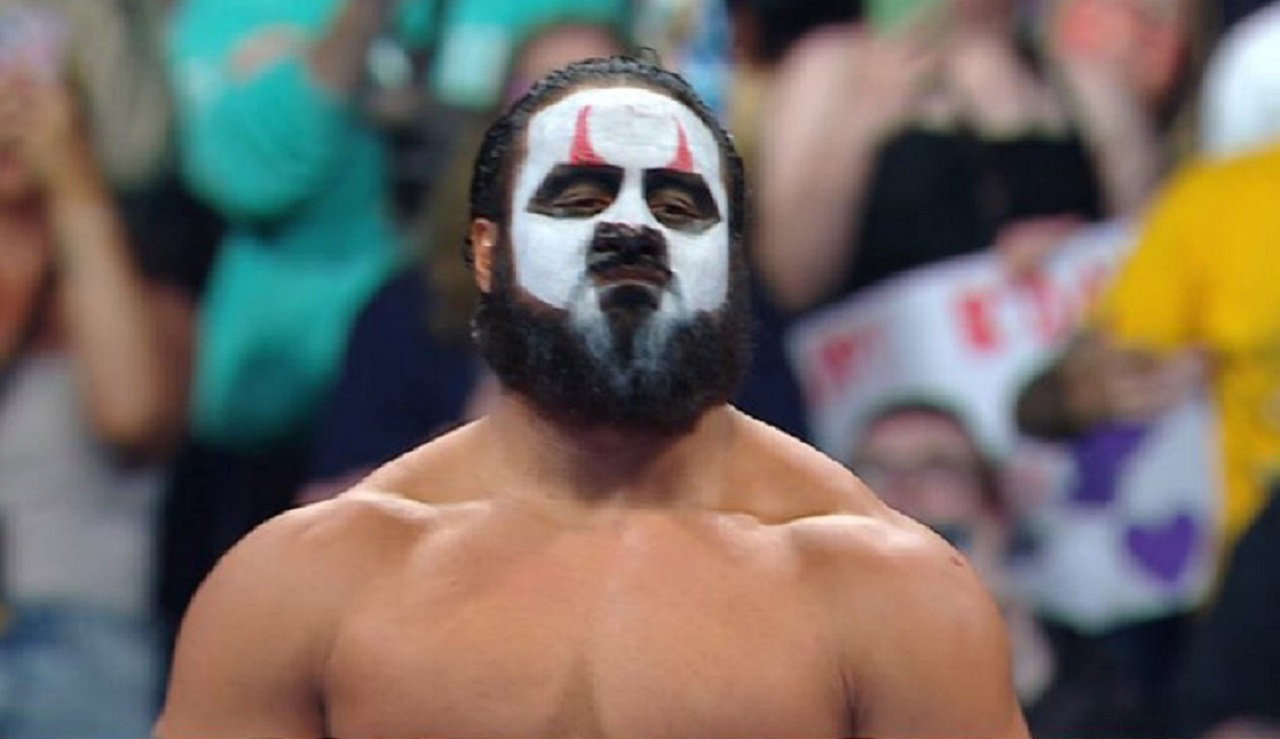
Nic Nemeth Explains Why John Cena’s Legacy Goes Beyond Championships
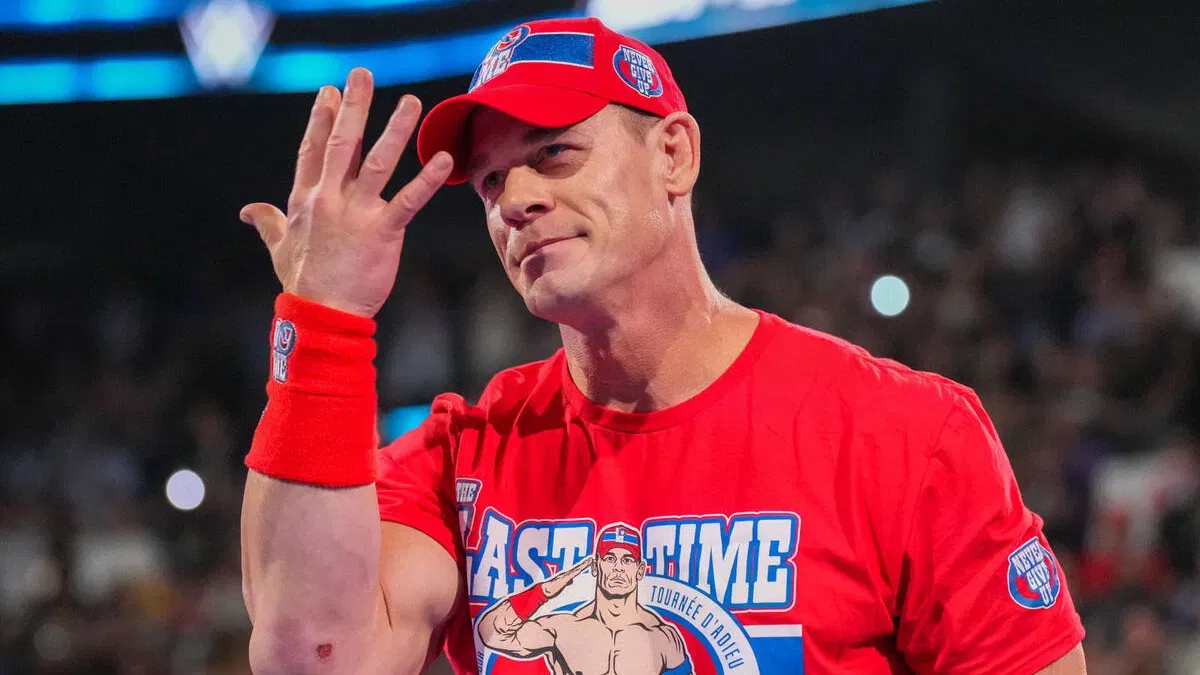
Now that John Cena’s in ring career is officially over, the wrestling world has settled into a familiar argument. Was Cena simply the most successful WWE star of his era, or does his impact place him in a different category entirely. The debate matters because it forces fans to define greatness not just by titles or match quality, but by what a wrestler leaves behind once the music stops hitting.
For Nic Nemeth, the answer is not complicated. While many focus on Cena’s 17 world championships or his crossover fame, Nemeth believes those achievements only tell part of the story. Speaking while reflecting on Cena’s retirement, the former World Heavyweight Champion framed Cena’s legacy as something WWE depended on for nearly two decades. “I think a few years ago they started calling him the greatest of all time, and you got to go with it because he’s done so much,” Nemeth explained. “What he stands for is something.”
Nemeth emphasized that Cena’s rise was not just about personal success, but about timing and responsibility. WWE emerged from the Attitude Era without many long term standard bearers, and Cena became the one constant the company leaned on. “There was this Attitude Era and then almost nobody came out of it,” Nemeth said. “We had John, and we had to lean on John for so many different things for 15, 20 years.” In his view, Cena’s ability to carry that burden while expanding his reach outside wrestling elevated him beyond the usual measuring sticks.
That sense of responsibility extended far beyond television. Cena’s work with the Make A Wish Foundation has become a defining part of how peers view him, not a footnote. Nemeth pointed to Cena’s willingness to give back, both publicly and privately. “The best part, to me, is when he grants those wishes, when he comes back to WWE and gives back, or when he’s given somebody advice behind the scenes,” he noted. It is a version of leadership that rarely shows up in win loss records.
Nemeth also shared a personal story that illustrated how Cena approached his role when the cameras were not rolling. Recalling a steel cage match at Madison Square Garden in 2012, Nemeth described a situation where time and money were on the line due to the arena’s strict curfew. Cutting the match short would have saved WWE a significant fine, but Cena refused. “We’re about to go out and there’s eight minutes until it’s a half million dollars on Vince’s tab,” Nemeth recalled. “I’m like, ‘What are we doing?’ He goes, ‘Absolutely not.’” The match went 30 minutes, delivering the kind of experience fans expected, even at a cost.
Nemeth left that night bloodied and missing teeth, but he framed the outcome as secondary to the principle behind it. The priority was giving the audience something memorable, even if it meant personal sacrifice. That mindset, Nemeth suggested, defined Cena’s entire career more accurately than any stat line.
In the broader context of professional wrestling, Nemeth’s comments highlight how legacy is increasingly judged through influence rather than dominance alone. Cena became a bridge between eras, someone who stabilized WWE while also opening doors for others behind the scenes. His example challenges the idea that greatness is only proven between the ropes.
As wrestling continues to evolve, Cena’s career offers a template that goes beyond championships or star ratings. It reflects a version of success rooted in reliability, visibility, and accountability. Whether fans label him the greatest or not, the standards he set are likely to shape how future top stars are evaluated.