Beyond the Storefront: Why Smart Gamers are Using Crypto to Fuel Their Steam Libraries in 2026
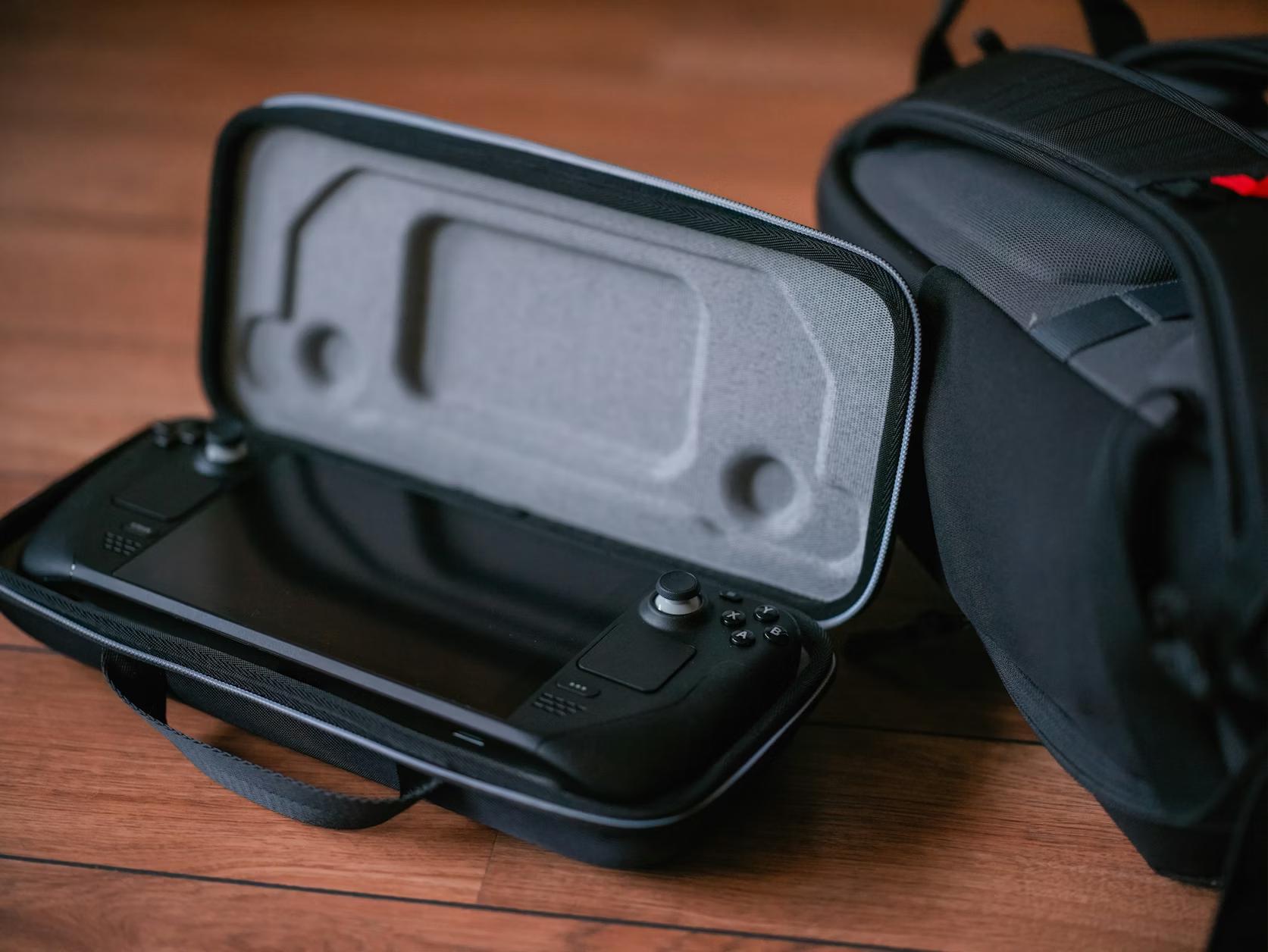
The year is 2026, and the way we play has fundamentally shifted. We’re no longer just tethered to our desks; we’re taking our libraries to the train, the plane, and the local café. With the Steam Deck OLED now a veteran staple of the handheld scene and rumors of the Steam Deck 2‘s impending launch reaching a fever pitch, Valve’s ecosystem has never felt more vital.
But as our hardware evolves, so does the way we pay for our digital lives. If you’re still exclusively tethered to a traditional bank card for your Steam Summer Sale hauls, you might be playing the game on “Hard Mode” without even realizing it. Smart gamers have moved into a more flexible, private, and efficient lane: Cryptocurrency.
No longer the “Wild West” of 2021, the crypto landscape of 2026 is built on stability and speed. Here is why your next Steam Wallet top-up should probably come from your digital wallet instead of your checking account.
The End of Volatility: Enter the Stablecoin Era
Back in the day, the biggest argument against using crypto for gaming was the “Pizza Problem”—nobody wanted to spend 0.005 BTC on a game today only to find out that same amount of Bitcoin could buy a whole GPU next week.
In 2026, that argument is dead. The modern gamer has embraced Stablecoins like USDT and USDC. These assets are pegged 1:1 with the US Dollar, giving you the borderless freedom of blockchain without the “will-it-crash” anxiety. Even better, the shift to Layer 2 networks (like Arbitrum, Polygon, or Base) means that “gas fees”—those pesky transaction costs—have plummeted to near-zero. Sending $50 to top up your account now costs pennies and settles in seconds, making it more efficient than many international bank transfers.
Privacy and the “Ghost” Transaction
Let’s be real: banks can be a buzzkill. Whether it’s an overzealous fraud filter flagging a legitimate game purchase or the simple desire to keep your hobby off your primary bank statement, crypto offers a layer of digital autonomy. When you use crypto to fund your library, you aren’t sharing your CVV or sensitive billing address with a dozen different checkout gateways. You are simply sending a signed transaction from your wallet to a provider. It’s clean, it’s fast, and it keeps your financial data where it belongs: with you.
Steam Doesn’t Take Crypto… But You Can Still Use It
Valve famously pulled direct Bitcoin support years ago, citing volatility (which, to be fair, was true at the time). However, the bridge between your crypto wallet and your Steam library is now shorter and sturdier than ever.
The “pro move” in 2026 is buying Steam gift cards with crypto through trusted platforms like Coinsbee. This editorial favorite has become the go-to for the COGconnected crew because it supports over 200 different coins and delivers codes instantly.
Whether you’re sitting on a stash of Ethereum, some leftover Litecoin, or a pile of USDT on a Layer 2, you can convert those assets into an instant Steam Wallet top-up. You get the code in your inbox before your coffee gets cold, and your Steam Deck is ready for that next 100GB download.
💡 Pro-Tip: The Buyer’s Checklist
Before you hit “Confirm” on that crypto transaction, run through this quick 2026 checklist to ensure a seamless experience:
-
Match Your Region: Steam gift cards are strictly region-locked. If your Steam account is set to the US, you must buy a US-denominated gift card. A mismatch will result in an error code that even a support ticket might not fix.
-
Check the Network: Ensure you are sending your USDT/USDC on the correct network (e.g., don’t send ERC-20 tokens to a TRC-20 address).
-
Verify the Source: Only use reputable platforms that offer instant delivery and have a verified track record in the gaming community.
Fueling the Handheld Revolution
The timing for this shift couldn’t be better. As we look toward the Steam Deck 2, expected to bring a massive leap in performance-per-watt and potentially a higher-resolution 900p or 1200p display, our libraries are getting hungrier. We aren’t just buying $15 indies anymore; we’re pre-ordering massive AAA titles that push the boundaries of portable silicon.
Using crypto to manage your gaming budget allows you to compartmentalize your spending. Many gamers now set aside a specific “Gaming Wallet” in USDT. When a sale hits or a new Steam Deck-verified masterpiece drops, they aren’t dipping into rent money or waiting for a bank to clear a transfer. They are hitting the checkout, grabbing a gift card, and jumping into the game.
The Bottom Line
In 2026, being a “smart gamer” isn’t just about having the highest frame rates or the best K/D ratio; it’s about navigating the digital economy with the same precision you use in a boss fight.
By leveraging stablecoins, low-fee networks, and reliable delivery platforms, you can bypass the clunky hurdles of traditional finance. It’s faster, it’s more private, and it’s the most “2026” way to ensure your Steam Deck—whether it’s the current OLED or the next-gen beast—never runs out of fuel.