Tony Khan Addresses AEW’s Creative Control Rumors
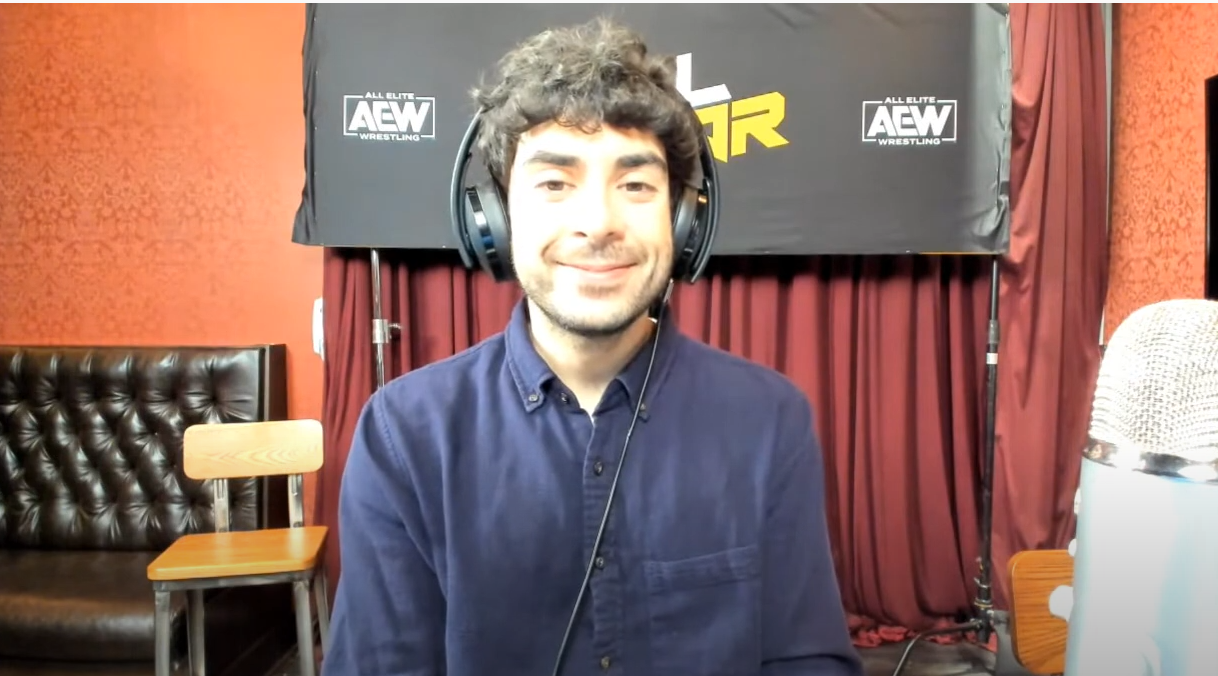
Questions about who truly steers the creative direction in All Elite Wrestling have lingered for more than a year, especially after high-profile signings sparked speculation about backstage influence. This week, Tony Khan offered his clearest explanation yet, drawing a firm line between collaboration and control.
Appearing on the Battleground Podcast, Khan explained that while AEW talent are encouraged to bring ideas to the table, the final call always rests with him. He described AEW’s creative process as an open workshop rather than a democracy, where wrestlers, coaches, and producers actively pitch concepts that are then evaluated against the realities of timing, pacing, and long-term planning. Khan emphasized that many ideas are strong on their own, but not all fit the broader structure of weekly television and pay-per-view storytelling.
Notably, Khan’s comments appear to directly address last year’s controversy surrounding Mercedes Moné, when online speculation suggested she had been granted unusual creative authority after joining the company. Khan pushed back against that perception without naming any individual, reiterating that no performer, regardless of star power, has unilateral creative control in AEW. Instead, he framed the promotion’s philosophy as one of shared input under centralized leadership, a balance he believes has produced AEW’s strongest creative stretches when executed correctly.