Intel says its graphics drivers are now ‘light years ahead of where we were a few years ago’, and they’ll need to be if it’s going to tempt gamers towards its new iGPUs
Intel’s claims that its new Panther Lake-based Core Ultra Series 3 mobile chips are up to 77% faster than Lunar Lake in terms of iGPU gaming performance are, on the surface, very impressive. One question hung in my mind, though—what about driver support?
Traditionally, Intel’s graphics drivers have been a mixed bag, something that Intel’s Dan Rogers mentioned in this years CES 2026 Panther Lake launch:
“Graphics at Intel has had an interesting history,” he began. “Ubiquitously deployed, with a massive install base—but previously, lacking in key features, driver support, and frankly, performance.”
Undoubtedly true, although at the end of 2024 (more than a year, I grant you), the Intel Arc B580 desktop GPU still gave my hardware overlord a whole heap of trouble when he came to test it, much of which was down to driver troubles. If Intel wants gamers to adopt its new Core Ultra Series 3 chips for primary gaming devices, the graphics drivers need to be rock solid—no matter how well they perform on paper—and it looks like it’s well aware of this fact.
At a Q&A session after the launch, I got a chance to ask a group of Intel’s finest how its graphics driver technology has improved, and what’s changed behind the scenes to make driver support a priority.
“It’s been a journey,” said Damien Triolet, director of GPU technical marketing. “We’ve been working on that for a few years. A few things that we’ve done is try to unify some key layers within the software stack.”
“That way we can deep optimise one layer and we can reuse that same layer over multiple APIs. That was a key change that we’ve made in the driver.”
“The other aspect,” he continued, “is we’ve scaled our testing and validation infrastructure to focus not just on a few games, but on hundreds of games. And through all that analysis, you understand better and better and you can go fix that progressively.”
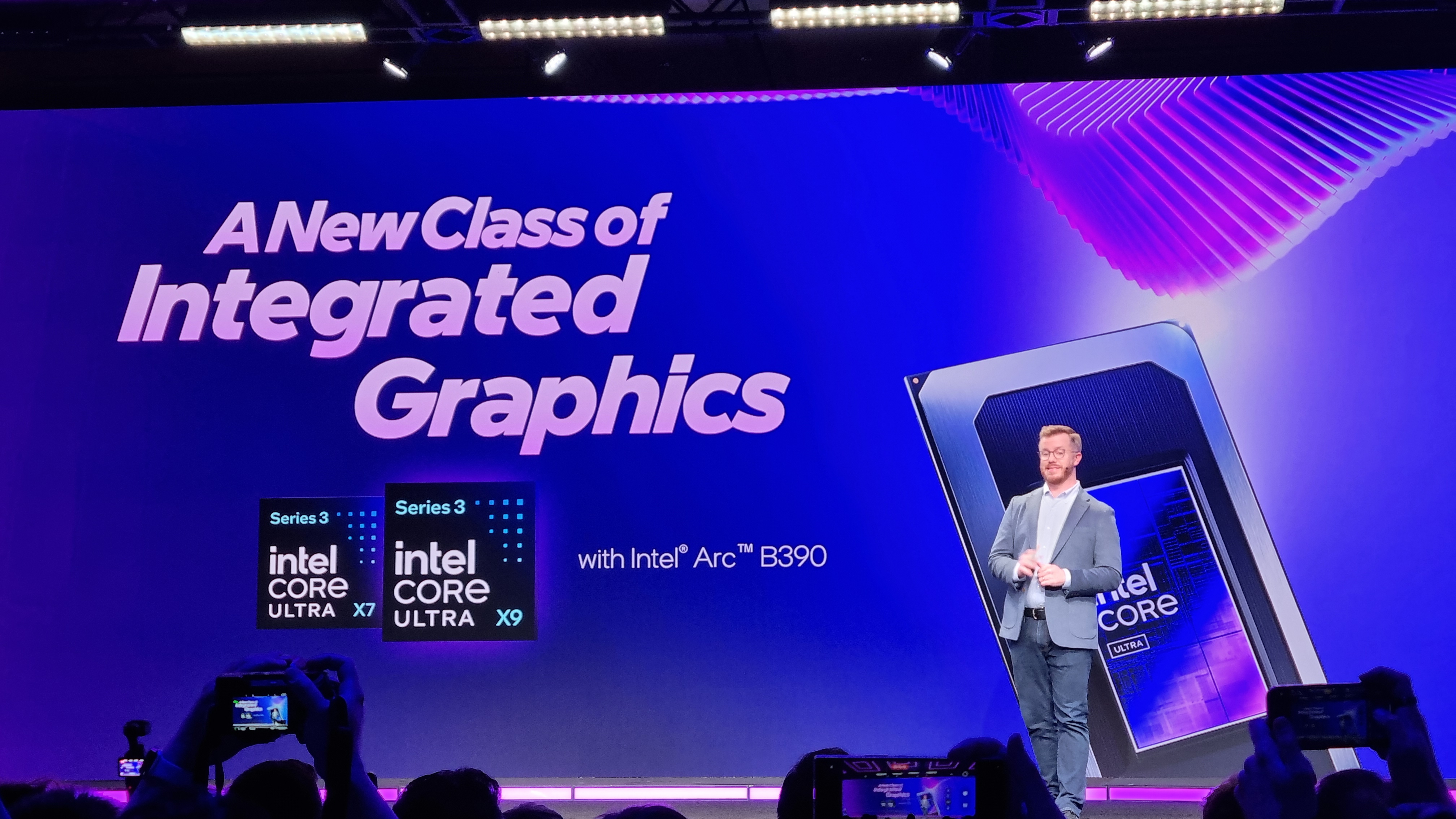
During the earlier presentation, EA’s Jeff Skelton was brought on to the stage to discuss Battlefield 6 and its integration within Intel’s graphics driver suite. I wondered aloud whether more developer integration was another key part of the improvements.
“Absolutely,” Triolet replied. “We scaled that interaction with developers. We’re also starting way earlier than before.”

“We are engaging, in general, 18 to 24 months before a game is even released, and we progressively test all the new builds and provide feedback, and make sure there’s this type of co-engineering to support Intel.”
All good stuff. Still, part of me wonders whether, in a world where Nvidia and AMD pour huge resources into their driver support, Intel can keep itself at the forefront in the way it needs to in order to see mass adoption of its graphics hardware—transforming itself into something gamers can truly rely on.
It’s been a while since I’ve tested an Intel graphics product, but I still hear the occasional horror story. Still, it seems the company is taking a major swing for the fences with its latest Core Ultra Series 3 chips in regards to mass adoption among gamers, and I sure do like the sound of ultra-slim, power efficient devices with excellent iGPU performance.
Here’s hoping that Intel graphics driver woes have now become a thing of the past. Fingers crossed, don’tcha think?
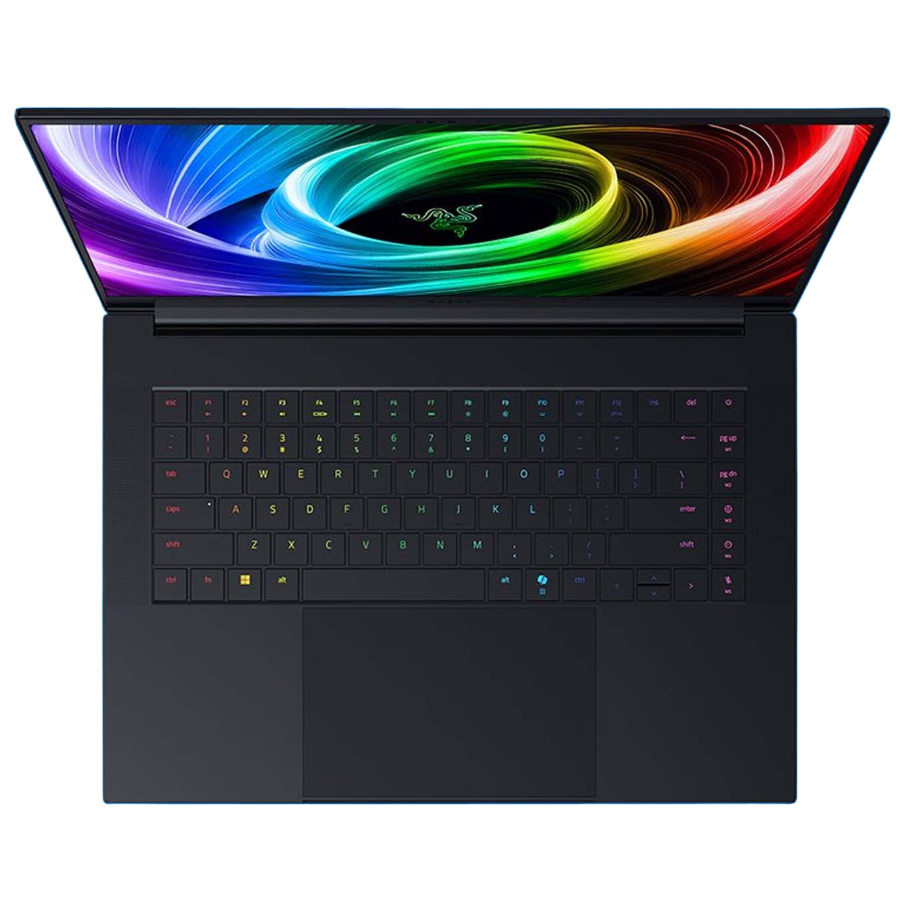
Best gaming laptop 2026